The List of Books


We awarded points for each selection – 10 points for a first place pick, nine points for a second place pick, and so on. Then we totaled up all the points and ranked them accordingly. Here are all the books ordered by the number of points each earned. In the parentheses are the initials of the authors that selected them and the points earned. Click on their initials to see their list. 

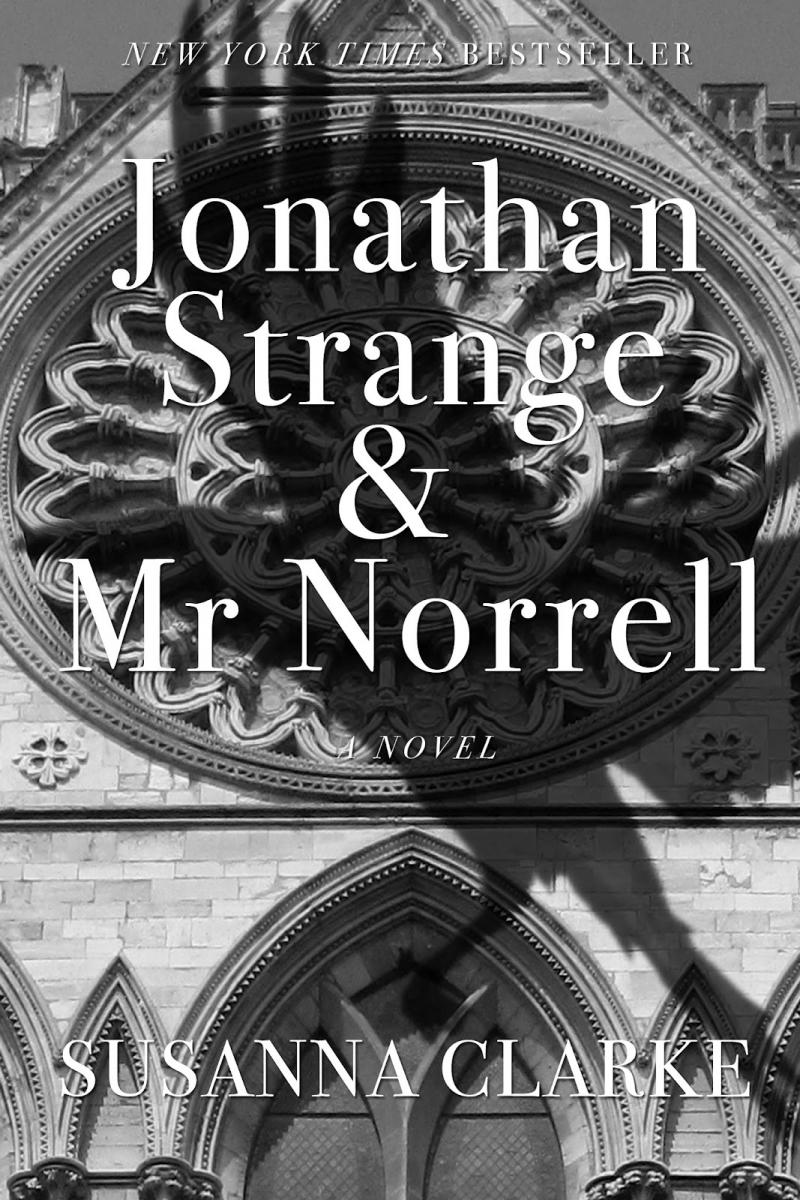
Jonathan Strange & Mr. Norrell by Susanna Clarke (2004). At the dawn of the nineteenth century, two very different magicians emerge to change England's history. In the year 1806, with the Napoleonic Wars raging on land and sea, most people believe magic to be long dead in England—until the reclusive Mr Norrell reveals his powers, and becomes a celebrity overnight. Soon, another practicing magician comes forth: the young, handsome, and daring Jonathan Strange. He becomes Norrell's student, and they join forces in the war against France. But Strange is increasingly drawn to the wildest, most perilous forms of magic, straining his partnership with Norrell, and putting at risk everything else he holds dear.

Total Points: 2 (MM 2)

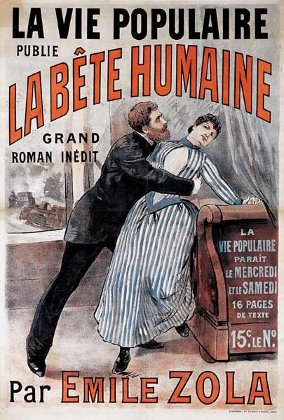
La Bête Humaine (The Beast Within) by Émile Zola (1890). The seventeenth novel in the Rougon-Macquart series, is one of Zola's most violent and explicit works. Set at the end of the Second Empire, when French society seemed to be hurtling into the future like the new railways and locomotives it was building,the novel is at once a tale of murder, passion, and possession and a compassionate study of individuals derailed by the burden of inherited evil. In it, Zola expresses the hope that human nature evolves through education but warns that the beast within continues to lurk beneath the veneer of technological progress.On one level a tale of murder, passion, and possession, it is also a compassionate study of individuals derailed by atavistic forces beyond their control. 

Total Points: 2 (JGil 2)

(2) Long Day’s Journey into Night by Eugene O’Neill (1956). As one family unravels over the course of an evening, O’Neill offers harrowing portraits of the emotional abuse and the descent into madness and addiction that can result when parents and children withhold love and understanding from each other. O’Neilldrama cuts close to the bone, but his artistry and dramatic timing lift this dark tale to heights of sheer beauty.

Total Points: 2 (AHas 2)

Masquerade and Other Stories by Robert Walser (1878–1956). Beloved of other writers but not known to a broad reading public in America, Walser was a formative influence on many writers, including Franz Kafka and Robert Musil. This collection of sixty-four short, sometimes essayistic, and always piercing stories published in the early twentieth century offers the Swiss writer’s take—meditatively, dreamily, truthfully, and often joyously—on subjects both microscopic and vast, from women’s gloves to medieval battles.

Total Points: 2 (LMill 2)

Our Town by Thornton Wilder (1938). This enduringly popular, Pulitzer Prize–winning play depicts small-town New England life (in fictional Grovers Corners, New Hampshire) with a unique combination of warm sentiment, wry comedy, and even a touch of surreal modernism in its moving final act. Childhood’s passage to maturity, love and marriage, birth and death are memorably enacted by the closely knit families of newspaper editor Webb and Doctor Gibbs, and observed by the benign Stage Manager who sagely connects their experiences to all our lives. Irresistible Americana.

Total Points: 2 (TW 2)

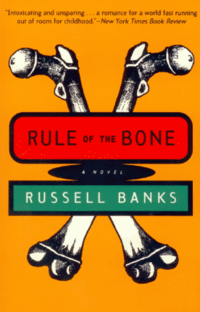
Rule of the Bone by Russell Banks (1995). Holden Caulfield meets Dean Moriarty in this sprawling coming-of-age story narrated with crisp assurance by a fourteen-year-old runaway. A victim of parental neglect, this lost, angry boy who names himself Bone commits crimes and acts of violence. After saving a seven-year-old boy from a pedophile, he lives in an abandoned bus with a pot-dealing Rastafarian. Together they travel to Jamaica where strange and murderous events take place as this wounded boy finds and defines himself.

Total Points: 2 (JW 2)

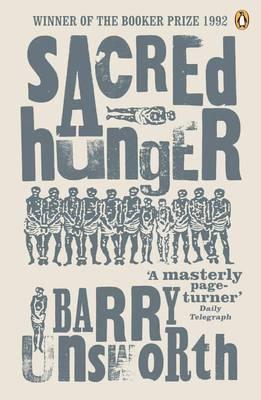
Sacred Hunger by Barry Unsworth (1992). Unsworth explores the “ancient urge” to “command attention, dominate one’s fellows” in this Booker Prize–winning novel that offers a gripping, panoramic view of the slave trade during the eighteenth century. Following a mutiny aboard a slave vessel and the creation of a utopian community in Florida, Unsworth portrays the fight against greed, disease, and humanity’s inhumanity. In this novel of two cousins who have opposing dreams, Unsworth faces the heights and depths of human nature.

Total Points: 2 (EC 2)

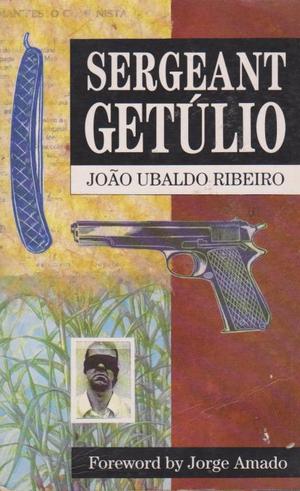
Sergeant Getulio by João Ubaldo Ribeiro (1971). This deeply unsettling novel features one of literature’s most loathsome creations—a Brazilian policeman adept at torture, maiming, and beheadings. Yet, as he transports a political prisoner across remote and dangerous terrain, we see a man both resourceful and persistent. As he explains himself, we see a man driven by honor, loyalty, and morality. In the process this appalling figure seems almost appealing.

Total Points: 2 (ALK 2)

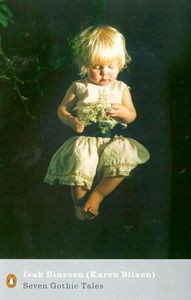
Seven Gothic Tales by Isak Dinesen (1934). The pseudonymous Danish noblewoman (Baroness Karen Blixen) revived the texture and resonance of myths and folklores in this landmark debut collection. Its richly detailed stories, set in aristocratic surroundings and steeped in romantic hyperbole, explore conflicts between civilization and primitivism, notably in the magical transformation of a cloistered woman into an animal (The Monkey); the power a celebrated singer exerts over her admirers’ imaginations (The Dreamers); and four interlocking tales about concealed or mistaken identities, told by flood survivors (The Deluge at Nordeney).

Total Points: 2 (GG 2)

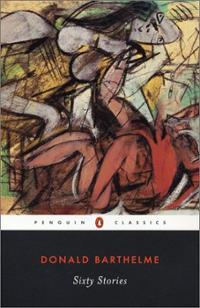
Sixty Stories by Donald Barthelme (1981). Giant of postmodernism, creator of worlds both surreal and mundane whose only constants are surprise and change, master of brief, epiphanic stories called sudden fiction, Barthelme juggled many balls, wore many hats. Though he wrote four novels, he was best known for his short stories. This compilation of stories from the 1960s and 1970s includes the tale of a giant balloon that engulfs Manhattan, “The Balloon,” and the youngsters who bring death to everything they touch, in “The School.”

Total Points: 2 (JBud 2)

Sullivan’s Travels (1941), The Lady Eve (1941), and The Palm Beach Story (1942), three screenplays by Preston Sturges. Sturges enjoyed one of the great comic runs in Hollywood history while the world was at war. A master of sparkling dialogue, he revealed the zany absurdity of American life in the twelve pictures he wrote and/or directed from 1940 to 1944, especially these three classics that feature, respectively, a runaway director, a brilliant female con artist, and a runaway heiress.

Total Points: 2 (AT 2)

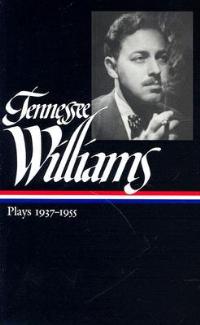
Tennessee Williams: Plays 1937–1955. Through raw yet lyric depictions of violence, alcoholism, homosexuality, rape, loneliness, and frustrated passion, Williams helped transform and liberate the American theater. His most celebrated dramas, including his breakthrough hit The Glass Menagerie (1944) and the two plays for which he won Pulitzer prizes, A Streetcar Named Desire (1947) and Cat on a Hot Tin Roof (1955), written in the Southern Gothic tradition of his native region, offer indelible portraits of fragile characters—especially lonely, frustrated Southern women—trying to hold on in a harsh world.

Total Points: 2 (DMcF 2)

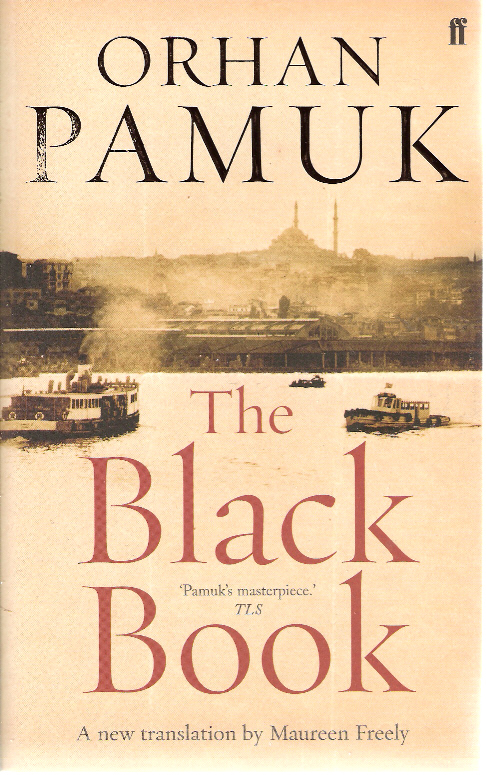
The Black Book by Orhan Pamuk (1990). An Istanbul lawyer searches for his wife, who seems to have disappeared with her half-brother, Jelal, a famous newspaper columnist. Chapters detailing Galip’s quest through the city’s twisted streets alternate with excerpts from Jelal’s writings, which Galip scours for clues. Both draw on Turkish history, religion, and culture—its conflicted place as a nation both Eastern and Western—to tell a rich, cerebral tale about the nature of storytelling and identity.

Total Points: 2 (AP 2)

Image removed.The Bottle Factory Outing by Beryl Bainbridge (1974). Inspired by the author’s experiences working as a cellar girl, this dark comedy follows two unlikely friends in 1970s London. Brenda and Freda share a rundown room in London and toil away at an Italian factory pasting labels onto wine bottles. Brenda, a shy and passive thirty-three-year-old brunette, recently ran away to the city to escape an abusive husband. Freda, meanwhile, is a rebellious twenty-six-year-old blonde with big dreams and a penchant for bossing people around. The two women are the only English workers at the bottling facility, and their presence stirs up trouble – as Freda tries to attract the attention of one manager while Brenda tries to fend off the advances of another. When Freda organizes a company outing, what’s supposed to be a day of freedom and fun turns into a dark and chaotic tragedy in a novel that explores loneliness and friendship, sexual frustration and personal power, passion and murder. 

Total Points: 2 (WBoyd 2)

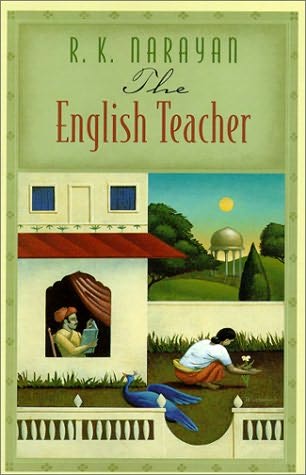
The English Teacher by R. K. Narayan (1945). The Indian author reimagines the sudden death of his beloved wife through the life of an English teacher whose deeply satisfying marriage ends with his wife’s fatal illness. His deep despair is broken by devotion to their daughter and his successful efforts to communicate with his departed wife. Yet he does not achieve the inner peace he craves in this novel infused with Hindu spirituality, until he realizes that true happiness does not come from other people, but from within.

Total Points: 2 (AMS 2)

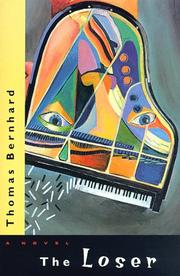
The Loser by Thomas Bernhard (1983). Our narrator had studied the piano with his friend Wertheimer and the virtuoso Glenn Gould. Gould’s unapproachable brilliance compelled them to give up music. While this abandonment leads to their ruin, Gould’s career does not bring him happiness. The Austrian writer probed these themes—of the joy, pain, and meaning of art—in this and his next two novels, which comprise his “arts trilogy,” Cutting Timber: An Irritation and Old Masters: A Comedy.

Total Points: 2 (CM 2)

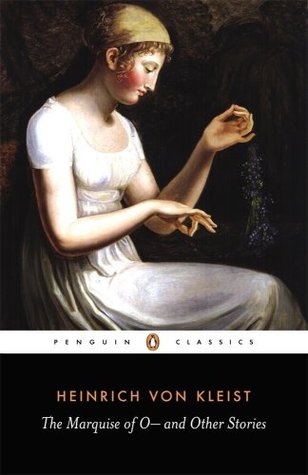
(2) The Marquise of O— and Other Stories by Heinrich von Kleist (1777–1811).

Appreciation of Heinrich von Kleist’s The Marquise of O— and Other Stories by Paula Fox

Heinrich von Kleist was born in 1777 and killed himself thirty-five years later in a suicide pact with a young lady, after having been blessed, or cursed, with a formidable talent for writing. During his brief life he turned out eight plays, among which is the marvelous one-act Robert Guiscard; eight stories, including the novella Michael Kohlaas; and a long story, The Marquise of O—. He also wrote a philosophical discourse, “On the Puppet Theatre,” a group of anecdotes, and some brilliant journalism.

Von Kleist was a true Romantic, yet he is utterly modern in the swiftness and depth of his perception of his subjects. Perhaps he didn’t choose them—they chose him, as it often seems with such a writer, a kind of fatality of choice.

In Michael Kohlaas von Kleist writes of the passion for justice turning a man into an outlaw. In The Beggarwoman of Locarno, a three-page arrow of a short story, a man sets fire to his own house. The Marquise of O—begins with an advertisement, placed in journals by a widowed Marquise, that pleads for the father of the child she is carrying to come forward and marry her. She hasn’t the faintest idea how her pregnancy came about.

And here’s the remarkable opening line of “The Earthquake in Chile”: “In Santiago, the capital of the kingdom of Chile, at the very moment of the great earthquake of 1647 in which many thousands of lives were lost, a young Spaniard by the name of Jeronimo Rugera, who had been locked up on a criminal charge, was standing against a prison pillar, about to hang himself.”

There are other stories of so lyrical yet violent a nature that the reader is infected with a fever of interest and admiration; at least this reader.

Total Points: 2 (PF 2)
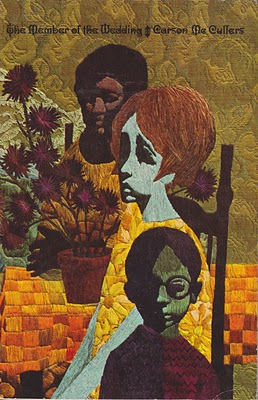
The Member of the Wedding by Carson McCullers (1946). Twelve-year-old Frankie Addams’s summer has been routine until her brother, set to be sent to the battlefields of World War II, announces he is getting married. As the family’s cook Berenice says, Frankie falls “in love with the wedding.” McCuller’s evocation of a 1940s Georgia town in August will make you sweat, but Frankie’s desperation to connect with somebody sticks in your head like a sad, crazy tune.

Total Points: 2 (EH 2)

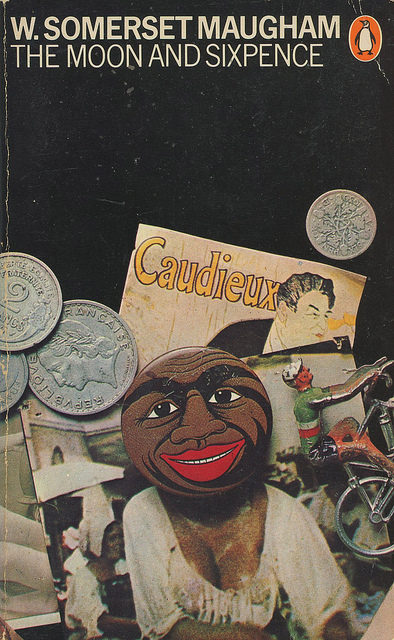
The Moon and Sixpence by W. Somerset Maugham (1919). Loosely based on the life of Paul Gauguin, this novel portrays a London stockbroker overcome by the need to paint. Abandoning his family, he moves to Paris and then Tahiti, where he lives in poverty and neglects his health, social conventions, and the feelings of others to pursue his obsession. Charles Strickland is selfish, but he is also a genius. And so the novel asks: What price art?

Total Points: 2 (JLB 2)

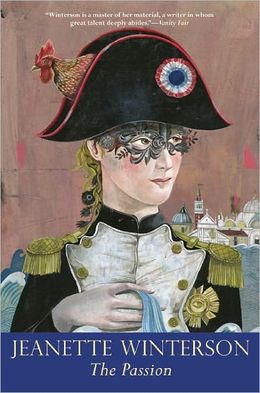
The Passion by Jeanette Winterson (1987). Henri is Napoleon’s cook. For eight years he has followed his diminutive idol. But now, in Russia—as the land turns deathly cold, soldiers starve, and Moscow burns—Henri becomes disenchanted by war. His life takes an exotic turn when he falls for Villanelle, a Venetian pickpocket and croupier who has literally lost her heart to another woman. In Venice, Henri’s passion turns toward madness as he learns “the difference between inventing a lover and falling in love.”

Total Points: 2 (EDon 2)

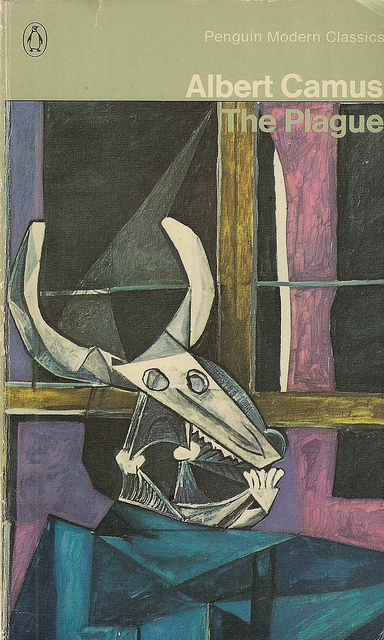
The Plague by Albert Camus (1947). A haunting tale of human resilience in the face of unrelieved horror, Camus' novel about a bubonic plague ravaging the people of a North African coastal town is a classic of twentieth-century literature. The epidemic serves a telling symbol for the Nazi occupation of France, and, by extension, for human existence as a whole.

Total Points: 2 (CN 2)

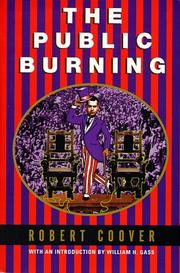
The Public Burning by Robert Coover (1976). It is 1953 and Russian spies are everywhere, according to Fightin’ Joe McCarthy. Ethel and Julius Rosenberg are scheduled to fry in the electric chair in Times Square, and Uncle Sam has delegated Vice President Richard Nixon (who narrates much of the story) to ensure that the show goes off. Coover is a master of lingos, from Uncle Sam’s Davy Crockett yawps to Nixon’s resentful Rotarian tones. Oddly, Tricky Dick comes off as a rather endearing soul, a 1950s Everyman helplessly folded, spindled, and mutilated in Coover’s funhouse mirrors.

Total Points: 8 (MCon 2)

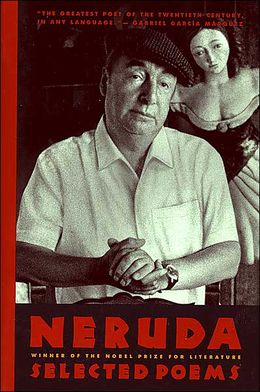
The Selected Poems of Pablo Neruda (1970). Neruda’s biography is an impressive one, maybe even a heroic one: poet, ambassador, winner of the Nobel Prize for Literature. But his poetry is human-size stuff, packed with concrete images and honest emotion. The Chilean-born Neruda, who merged his leftist politics with Whitmanesque exuberance, took the objects and experiences around us and turned them into something bigger through stunningly immediate language.

Total Points: 2 (CD 2)

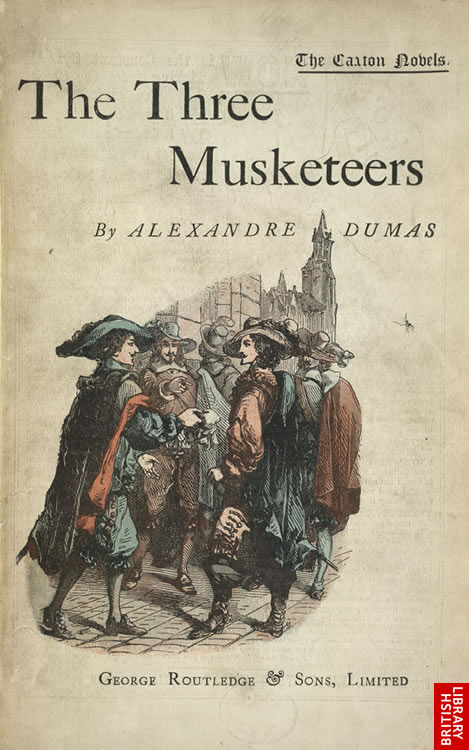
The Three Musketeers by Alexandre Dumas (1844). “An almost endless chain of duels, murders, love affairs, unmaskings, ambushes, hairbreadth escapes, wild rides,” is how the critic Clifton Fadiman described this swashbuckling tale. In 1625, young D’Argent travels to Paris where he joins three Musketeers who guard King Louis XIII and live by the motto “All for one, and one for all.” Together they foil a plot against the king hatched by the evil Cardinal Richelieu and the gorgeous spy “Milady.”

Total Points: 2 (APhil 2)

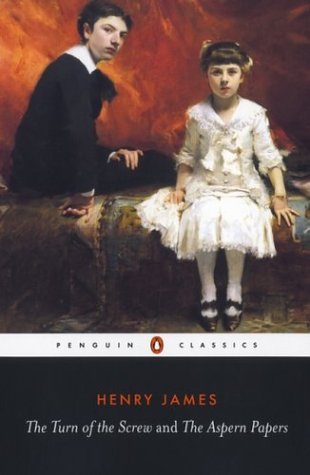
The Turn of the Screw by Henry James (1898). A young governess who is the sole caregiver for two charming children living in a remote country manor finds herself battling for their very souls. James’s story of psychological duress and obsession has been called a ghost story, a thriller, and a horror tale. But its haunting power stems less from the supernatural than from the primal fear that we can’t always protect our children.

Total Points: 2 (MCunn 2)

The World According to Garp by John Irving (1978). I first found this book when I was stuck in a miserable first marriage and living in Pittsburgh, a city that seemed to hate me. To say this book rescued my life is an understatement.  A wild and wooly tale of a writer and the characters in his life, the book is filled with joy and surprise after surprise. Irving zips through story lines,  blending comedy with tragedy,  for a wild, painful, exuberant ride of a novel.

Total Points: 2 (CL 2)

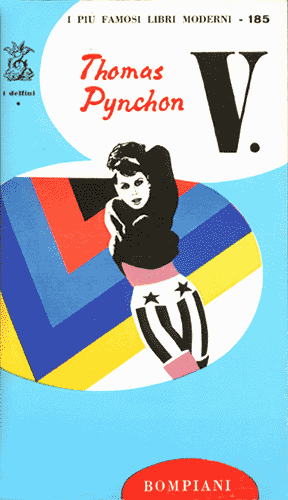
V. by Thomas Pynchon (1963). This sprawling postmodern spy novel spiked with Rabelasian humor is ignited by a cryptic line in the journals of Herbert Stencil’s late father: “There is more behind and inside V. than any of us had suspected. Not who, but what: what is she.” The son’s search for the mysterious V.—involving a range of deliciously named characters, including the “schlemiel and human yo-yo” Benny Profane—stretches across three continents and two centuries, bringing Stencil ever closer to the secret powers that have conspired to control, and thereby corrupted, the modern world.

Total Points: 2 (TCB 2)

Voss by Patrick White (1957). A fearless man with a titanic ego, Johann Voss decides to prove his almost divine greatness by leading a party across the untamed Australian continent in 1845. Before his trip, he meets a young spinster with whom he will carry on a spiritual courtship through telepathy and dreams. Voss suffers immensely during his arduous journey; as he is humbled, he learns the meaning of Christian spirituality in this novel by the Australian Nobel laureate.

Total Points: 2 (TK 2)

W, or The Memory of Childhood by Georges Perec (1975). Perec was an experimental French author fascinated by literary boundaries—one of his novels, A Void, does not contain the letter E. Here, autobiographical chapters recalling (and trying to recall) childhood memories, when most of his family was murdered in the Holocaust, alternate with those telling the fictional story of an Aryan island called W that becomes totalitarian. Gradually, we see that each section says what the other cannot, as the riveting stories form a meta-meditation on narrative form.

Total Points: 2 (DM 2)

Image removed.We Were the Mulvaneys by Joyce Carol Oates (1996). The Mulvaneys are blessed by all that makes life sweet. But something happens on Valentine’s Day, 1976—an incident that is hushed up in the town and never spoken of in the Mulvaney home—that rends the fabric of their family life...with tragic consequences. Years later, the youngest son attempts to piece together the fragments of the Mulvaneys’ former glory, seeking to uncover and understand the secret violation that brought about the family’s tragic downfall.

Total Points: 2 (EWhite 2)

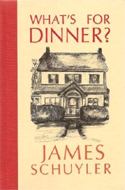
What’s for Dinner? by James Schuyler (1978).

Best known as a poet, Schuyler brings his eye for intimate details to this quirky comedy about three families in suburban Long Island. As his characters deal with rowdy children, alcoholism, and loneliness, Schuyler subtly explores the forces that tear people apart and bring them back together.

Total Points: 2 (PCam 2)

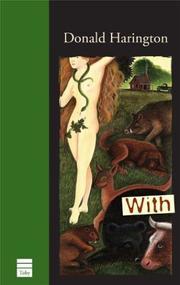
With by Donald Harrington (2004). The Ozark town of Stay More was Harington’s Yoknapatawpha, a literary landscape much like the Arkansas community where he spent youthful summers that Harington created and populated with a cast of indelible charcaters. A daring coming-of-age story of survival and love, this novel is the sensual, suspenseful tale of Robin Kerr, a young girl abducted from her family and brought to a remote Ozark mountaintop, where she is left to fend for herself. Over the course of a decade, Robin grows up without human relationship, but with the company of animals and an inhabit, the half-living ghost of a young boy. 

Total Points: 2 (BW 2)

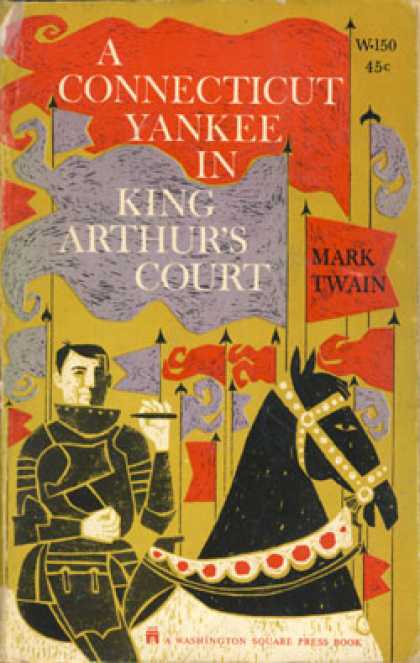
A Connecticut Yankee in King Arthur’s Court by Mark Twain (1889). Few writers made ideas as entertaining as Twain, whose gifts are on full display when he transports an ingenious American named Hank “The Boss” Morgan to sixth-century England. The clash of sixth-and nineteenth-century mores allows Twain to offer scorching satires of compulsory religion, aristocracy, and superstition—and smart considerations of subjects ranging from slavery, trade unions, and technology to death and taxes—within the thrilling atmosphere of the Round Table and its legendary characters, including Lancelot, Merlin, and Guenever.

Total Points: 1 (RP 1)

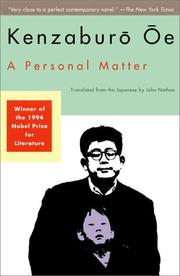
A Personal Matter  by Kenzaburo Oë (1969). The preeminent voice of Japan’s New Left from the 1960s, Oë brings a most un-Japanese rawness and rebellion to his semiautobiographical story of a young intellectual who fathers a brain-damaged baby. This modern morality tale juxtaposes its protagonist’s tortuous cerebral musings with a visceral world of blood and bile, sexual deviance, and medically sanctioned infanticide. Oë’s grotesqueries paradoxically render his characters more human and sympathetic, rather than less, while the sometimes self-conscious artifice of his language accommodates a society adrift from tradition and meaning.

Total Points: 1 (DMe 1)

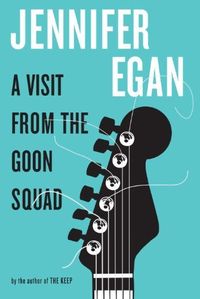
 A Visit from the Goon Squad by Jennifer Egan (2010). Bennie is an aging former punk rocker and record executive. Sasha is the passionate, troubled young woman he employs. In this novel, which won the National Book Critics Circle award for fiction and was a finalist for the PEN/Faulkner award, Egan brilliantly reveals their pasts, along with the inner lives of a host of other characters whose paths intersect with theirs. With music pulsing on every page, this is a startling, exhilarating novel of self-destruction and redemption.

Total Points: 1 (MSouthgate 1)

A Voice Through a Cloud by Denton Welch (1950). “Though Welch has the abilities of a novelist,” John Updike wrote, “misfortune made him a kind of prophet.” In this autobiographical novel, Welch describes the bicycle accident that left him partially paralyzed at age twenty, the painful treatments he suffered, and the loneliness he endured. Filled with acute observations and revealing self-analysis, this intimate novel offers a wrenching portrait of despair.

Total Points: 1 (PCam 1)

Alias Grace by Margaret Atwood (1996). This historical novel reimagines the life of a notorious and enigmatic woman from nineteenth century Canada, Grace Marks. She has been convicted for her involvement in the vicious murders of her employer, Thomas Kinnear, and Nancy Montgomery, his housekeeper and mistress. Some believe Grace is innocent; others think her evil or insane. Now serving a life sentence, Grace claims to have no memory of the murders. Dr. Simon Jordan, an up-and-coming expert in the burgeoning field of mental illness, is engaged by a group of reformers and spiritualists who seek a pardon for Grace. He listens to her story while bringing her closer and closer to the day she cannot remember. What will he find in attempting to unlock her memories? Is Grace a female fiend? A bloodthirsty femme fatale? Or is she the victim of circumstances?

Total Points: 1 (TLeClair 1)

Amours de Voyage by Arthur Hugh Clough (1858). A nineteenth-century figure who expressed twentieth-century skepticism about action and belief, Clough set this tragicomic narrative poem during the unsuccessful Italian Revolution of 1848–49. Much of the poem consists of letters from an erudite Englishman named Claude to his friend Eustace, describing his inability to commit to the woman he loves or engage himself in the political turmoil swirling around him. Yet, his self-awareness is so acute that he does not offer a lament of his limitations so much as an ironic self-portrait of an oddly decisive man.

Total Points: 1 (JBarn 1)

Amours de Voyage by Arthur Hugh Clough (1858). A nineteenth-century figure who expressed twentieth-century skepticism about action and belief, Clough set this tragicomic narrative poem during the unsuccessful Italian Revolution of 1848–49. Much of the poem consists of letters from an erudite Englishman named Claude to his friend Eustace, describing his inability to commit to the woman he loves or engage himself in the political turmoil swirling around him. Yet, his self-awareness is so acute that he does not offer a lament of his limitations so much as an ironic self-portrait of an oddly decisive man.

Total Points: 1 (JBarn 1)

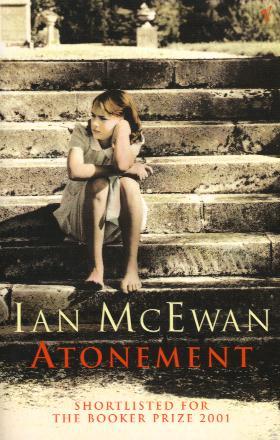
Atonement by Ian McEwan (2001). When Briony Tallis, a precocious adolescent on an English estate, writes a play to mark her brother’s homecoming in 1935, she sets in motion a real-life tragedy that marks the end of her innocence. Through the awful ramifications of her one lie, McEwan explores the mysteries of writing itself, the moral ambiguities of art, and the arc of twentieth-century English history, especially during World War II.

Total Points: 1 (GG 1)

Atonement by Ian McEwan (2001). When Briony Tallis, a precocious adolescent on an English estate, writes a play to mark her brother’s homecoming in 1935, she sets in motion a real-life tragedy that marks the end of her innocence. Through the awful ramifications of her one lie, McEwan explores the mysteries of writing itself, the moral ambiguities of art, and the arc of twentieth-century English history, especially during World War II.

Total Points: 1 (GG 1)

Break It Down by Lydia Davis (1986). Through crisp, propulsive sentences laced with knowing irony, Davis plunges readers into various streams of consciousness in her debut collection. Ideas rather than action animate these thirty-four stories—some no more than a paragraph long, most set in a character’s racing, obsessive mind. “I’m going to break it all down,” says the man in the title story, trying to calculate the cost of his last love affair. Like most Davis characters, he finds more questions than answers. And like most Davis characters, he is drawn with such empathy that he pulls the reader into his madness. Only when we take a step back can we laugh, deeply, at the absurdity of it all.

Total Points: 1 (EH 1)

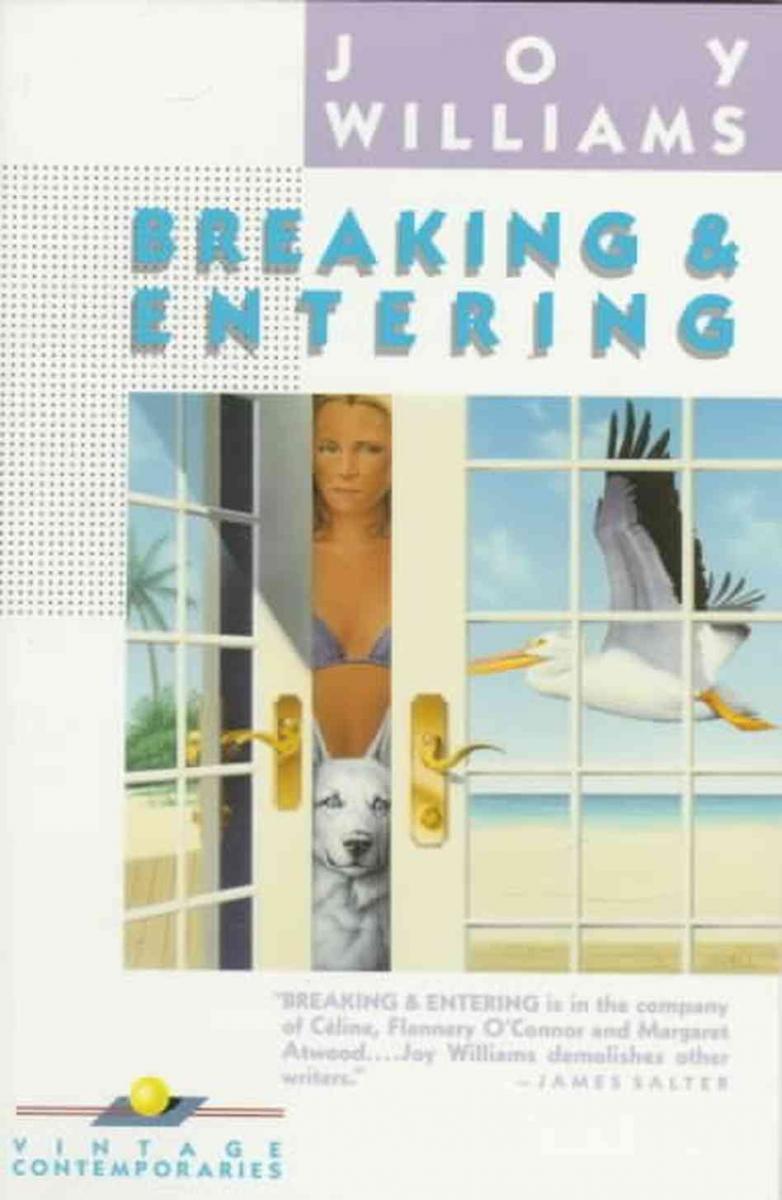
Breaking and Entering by Joy Williams (1988). A teenage couple breaks into empty vacation homes in Florida to live “the ordered life of someone else. . . . For they themselves were not preparing for anything, they were not building anything.” This picaresque novel describes the offbeat adventures of these alienated drifters—with alcoholic aristocrats and aged female bodybuilders—in sharply observant language that evokes the sadness, loneliness, and isolation of modern life.

Total Points: 1 (DC 1)

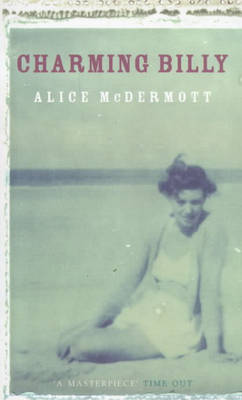
Charming Billy by Alice McDermott (1998). In a small bar somewhere in the Bronx, a funeral party has gathered to honor Billy Lynch. Through the night, his friends and family weave together the tale of a husband, lover, dreamer, and storyteller, but also that of a hopeless drunk whose immense charm was but a veil over a lifetime of secrets and all-consuming sorrow. As they comfort his widow, the gentle Maeve, they remember as well his first love, Eva, who died of pneumonia, and whose ghost haunted his marriage and drove him to the bottle. Who is truly responsible for Billy's life and death, and what does it mean to mythologize a friend's suffering? Beautifully written and teeming with fine portraits of Irish-American life in New York,shows how a community can pin its dreams to one man, and how good intentions can be as destructive as the truth they were meant to hide.

Total Points: 1 (MMCPH 1)

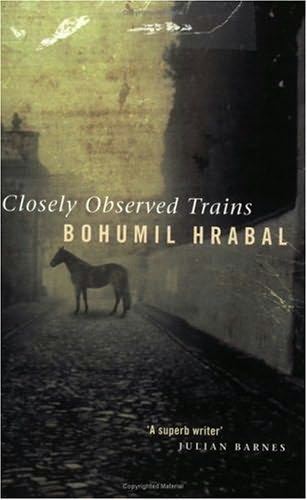
Closely Watched Trains by Bohumil Hrabal (1965). As if he doesn’t have enough trouble living in German-occupied Czechoslovakia during World War II, Milos Hrma learns he is impotent during his first sexual encounter. After trying to commit suicide, he returns to his job tending German trains while imagining ways to reassert his manhood. In an alternately funny and sad, lusty and bleak novel, politics and sex merge in a tragic climax that suggests the heroism of the common man.

Total Points: 1 (ALK 1)

Daybook: The Journal of an Artist by Anne Truitt

Total Points: 1 (AO 1)

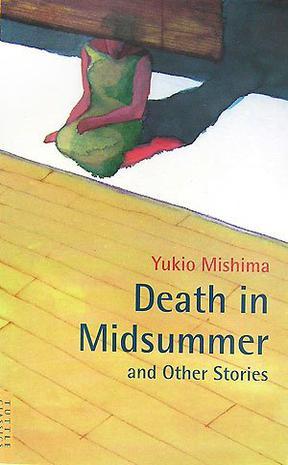
Death in Midsummer and Other Stories by Yukio Mishima (1968). The diversity of this collection’s subject and form will surprise anyone who knows only Mishima’s legend, which he carefully created through an ascetic life and a failed attempt to ignite a bushido (samurai) movement in Japan—a move that ended with his ritual suicide in 1970. The tales—including a Noh play, a Buddhist fable, a comedy of manners, and a love triangle among three men—all reflect Mishima’s profound alienation from the drift and purposelessness of modern life.

Total Points: 1 (PF 1)

Image removed.The “star” of this hairraising novel is Alberto Ruiz-Tagle, an air force pilot who exploits the 1973 coup to launch his own version of the New Chilean Poetry, a multimedia enterprise involving sky-writing, poetry, torture, and photo exhibitions. For the unnamed narrator, who first encounters this "star" in a college poetry workshop, Ruiz-Tagle becomes the silent hand behind every evil act in the darkness of Pinochet's regime. The narrator, unable to stop himself, tries to track Ruiz-Tagle down, and sees signs of his activity over and over again in this tale marked by dark vision conveyed through corrosive, mocking humor that still sparkles.

Total Points: 1 (JDíaz 1)


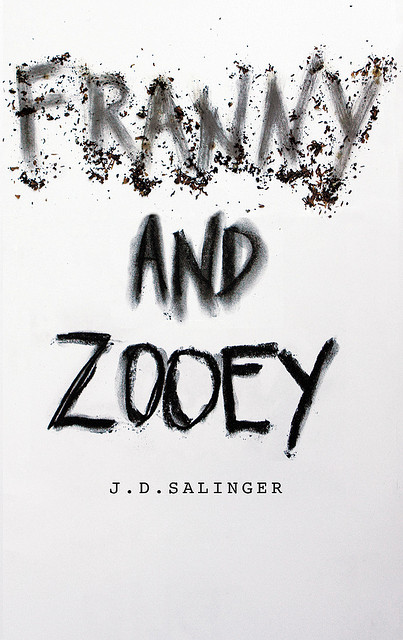
Franny and Zooey by J. D. Salinger (1961). Salinger wrote: “FRANNY came out in The New Yorker in 1955, and was swiftly followed, in 1957 by ZOOEY. Both stories are early, critical entries in a narrative series I'm doing about a family of settlers in twentieth-century New York, the Glasses. It is a long-term project, patently an ambiguous one, and there is a real-enough danger, I suppose that sooner or later I'll bog down, perhaps disappear entirely, in my own methods, locutions, and mannerisms. On the whole, though, I'm very hopeful. I love working on these Glass stories, I've been waiting for them most of my life, and I think I have fairly decent, monomaniacal plans to finish them with due care and all-available skill.”

Total Points: 1 (RG 1)

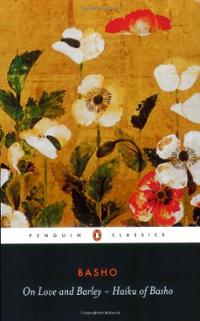
Haiku of Matsuo Basho (1644-1694). A spiritual seeker who practiced Zen Buddhism while wandering throughout seventeenth-century Japan, Basho helped transform the form of light verse that would become haiku into a serious art form. “Traveling sick; / My dreams roam / On a withered moor,” reads the last of his spare, evocative poems that recount his life and travels, while reflecting a range of moods.

Total Points: 1 (AP 1)