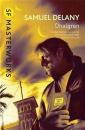
 Dhalgren by Samuel R. Delany (1974). Bellona is a city at the dead center of the United States. The population has fled. Madmen and criminals wander the streets. Strange portents appear in the cloud-covered sky. Something has happened there. And into this disaster zone comes a young man—poet, lover, and adventurer—known only as the Kid. Dhalgren is a work of American magical realism, tackling questions of race, gender, and sexuality.
The List of Books
We awarded points for each selection – 10 points for a first place pick, nine points for a second place pick, and so on. Then we totaled up all the points and ranked them accordingly. Here are all the books ordered by the number of points each earned. In the parentheses are the initials of the authors that selected them and the points earned. Click on their initials to see their list.
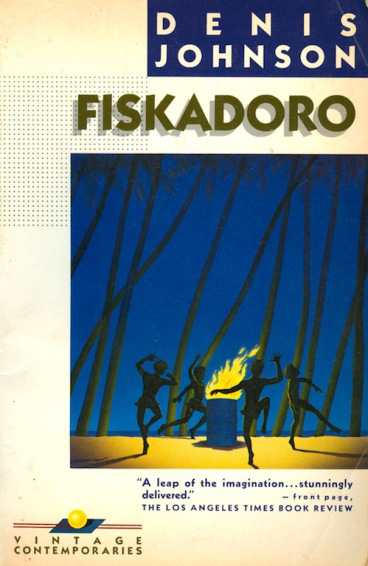 Fiskadoro by Denis Johnson (1985). After a nuclear war devastates the planet, residents of what had been the Florida Keys try to rebuild their lives and communities in a landscape where shards from the obliterated past—religious stories, Jimi Hendrix records, parking decks—remain but are barely understood. By destroying and then rebuilding the world, including the invention of a strange dialect, Johnson’s daring novel probes the nature of communication, memory, and knowledge amid the palpable specter of death.
Total Points: 7 (TCB 8)
 Galpo Guccho by Rabindranath Tagore (1912). These beautifully structured stories are vast in range, moving from supernatural tales to historical stories of love. Tagore, who won the Nobel Prize for literature in 1913, is especially good at portraying the little moments of daily life and creating vivid characters—often the poor and dispossessed in his native India—that continue to haunt us.
Total Points: 8 (CD 8)
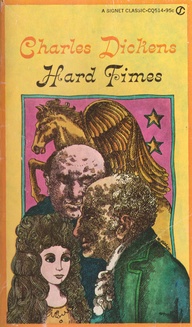 Hard Times by Charles Dickens (1854). “Now, what I want is, Facts,” reads the opening of this entertaining melodrama animated by impassioned social protest and indignant satire. In the humorless martinet Gradgrind, who preaches and practices uncompromising logic and efficiency, Dickens lampoons the soulless utilitarianism of Victorian philosopher John Stuart Mill. Such reason has spawned the grimy, industrial city of Coketown—which Dickens contrasts with a traveling circus—and informs the subplot concerning Stephen Blackpool’s inescapable, unhappy marriage (a sour fictionalization of Dickens’s own domestic miseries).
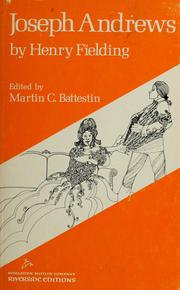 Joseph Andrews by Henry Fielding (1742). The comic trouble starts when a naive footman rejects the advances of his employer, Lady Booby, and her servant, Slipslop. Cast out, he and the saintly Parson Adams hit England’s rough roads in search of Joseph’s beloved, Fanny Goodwill. Like Don Quixote and Sancho Panza, the world rewards their goodness with violent complication. After Joseph finds Fanny—who might be his sister—Fielding amps up the sexually charged farce in this novel of friendship and virtue that satirizes Samuel Richardson’s novel Pamela.
Total Points: 8 (ES 8)
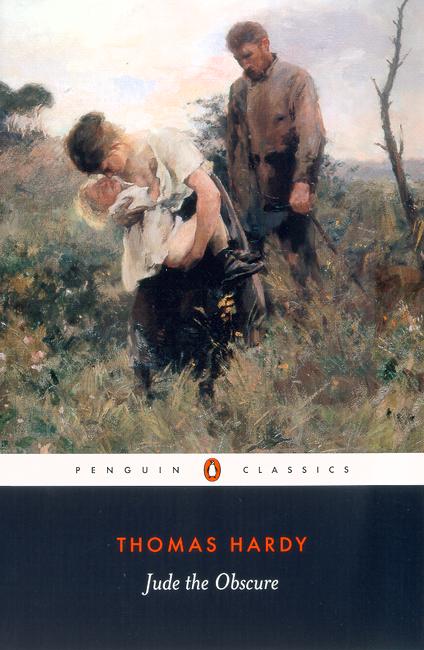 Jude the Obscure by Thomas Hardy (1895). Hardy’s protagonists are souls ahead of their time, who dare to aspire and love in defiance of Victorian class structure and social mores. In this bleak but moving novel, class barriers stymie Jude, a self-educated stonemason and would-be scholar, while convention damns his lover Sue, a pagan protofeminist. The flawed hero and heroine win modern hearts, while the author’s ferocious outcry against legal marriage, established religion, and nature itself, still challenges us today.
 Lanark: A Life in Four Books by Alasdair Gray (1981). In the maverick Scottish author’s testy allegory, four (eccentrically illustrated) “books,” which are presented nonsequentially, trace the lives of two protagonists who are a single frustrated artist. Grim naturalism depicts Glaswegian painter Duncan Thaw’s losing battles with public indifference and chronic illness. Blakean fantasy traces the parallel sufferings of Thaw’s eponymous alter ego, whose misadventures in the dystopian city of Unthank represent Thaw’s continuing miseries in the hereafter he inhabits following his suicide. Accusatory, opaque, redundant—the novel is also, oddly enough, compulsively readable and perversely memorable.
 Life & Times of Michael K by J. M. Coetzee (1983). A retarded, nearly mute, harelipped man goes native in a South Africa torn by civil war, living off the land before being picked up and passed among institutions. The echo of Kafka in this controversial novel’s title is deliberate: Michael K is caught in a fundamental life trap, embodying both the yearning to be free of language and politics and the impossibility of doing so.
Total Points: 8 (KHarr 8)
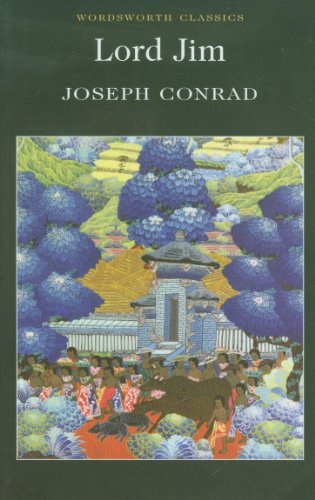 Lord Jim by Joseph Conrad (1900). Marlowe, Conrad’s narrator here (as he is in The Heart of Darkness), ironically labels Jim, the disgraced first mate at the center of his tale, “one of us,” meaning the small British colonial elite. However, Jim violates the code one life-defining night when, in a panic, he abandons his sinking ship while the passengers sleep. The ship stays afloat but not Jim’s reputation. Later Marlowe finds the exiled sailor on a remote Indonesian island, where the natives give “Lord Jim” a last chance at self-respect.
Total Points: 8 (PM 8)
 Man’s Fate by André Malraux (1933). Chronicling the communist uprising against Chiang Kai-shek’s nationalists in Shanghai in 1927, this novel is a revolutionary’s cookbook. It shows the planning and politics of the insurrection, the street battles that accompanied it, and the successful, remorselessly cruel nationalist counterattack (the nationalist general throws captured communists in the furnaces of a train). When the book was published in 1933, the Chinese revolution looked kaput. When the communists triumphed in 1948, it seemed prophetic.
Total Points: 8 (AF 8)
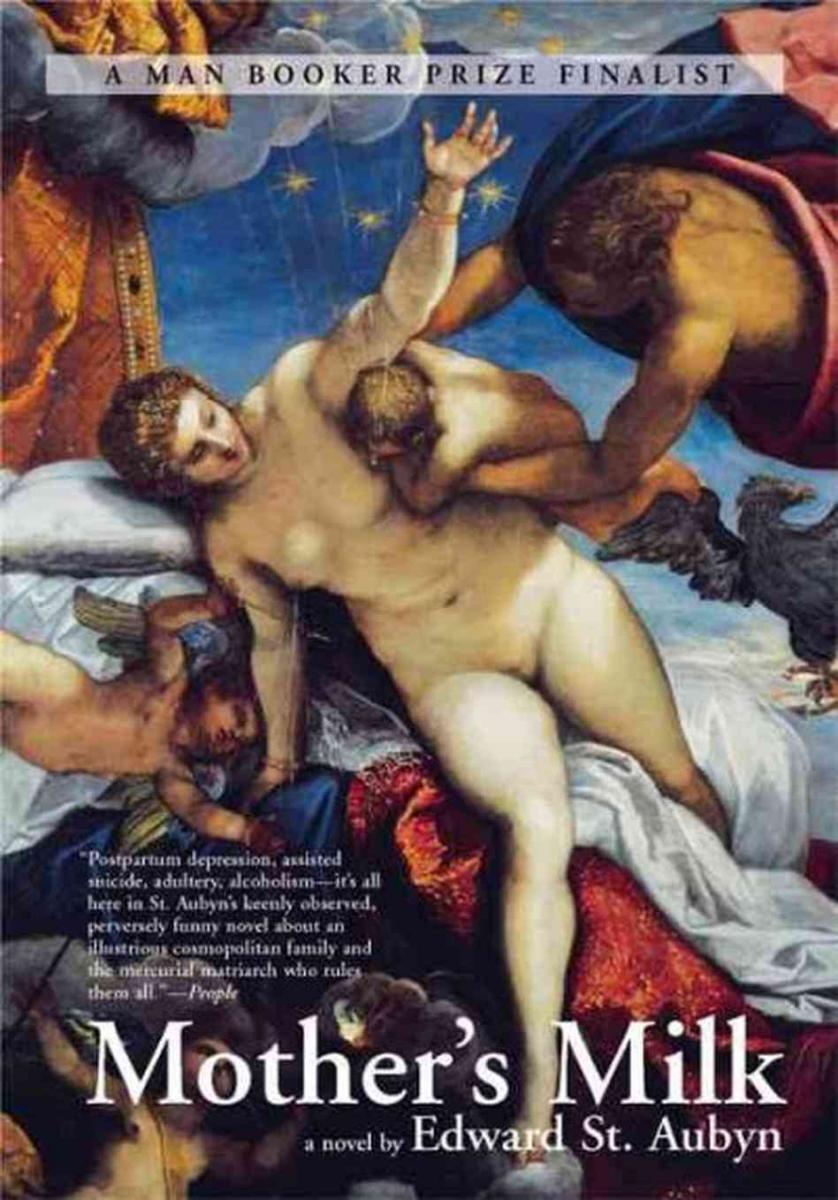 Mother's Milk by Edward St. Aubyn (2006). Writing with the scathing wit and bright perceptiveness, English author Edward St. Aubyn creates a complex family portrait that examines the shifting allegiances between mothers, sons, and husbands. The novel’s perspective ricochets among all members of the Melrose family—the family featured in St. Aubyn’s widely praised trilogy, Some Hope—starting with Robert, who provides an exceptionally droll and convincing account of being born; to Patrick, a hilariously churlish husband who has been sexually abandoned by his wife in favor of his sons; to Mary, who’s consumed by her children and overwhelming desire not to repeat the mistakes of her own mother. All the while, St. Aubyn examines the web of false promises that entangle this once illustrious family—whose last vestige of wealth, an old house in the south of France—is about to be donated by Patrick’s mother to a New Age foundation. The result is an up-to-the-minute dissection of the mores of child-rearing, marriage, adultery, and assisted suicide, written in luminous and acidic prose that combines the most excruciating emotional pain with the driest comedy.
Total Points: 8 (AWald 8)
 No Country for Old Men (screenplay) by Joel and Ethan Coen (2007).
Total Points: 8 (TJ 8)
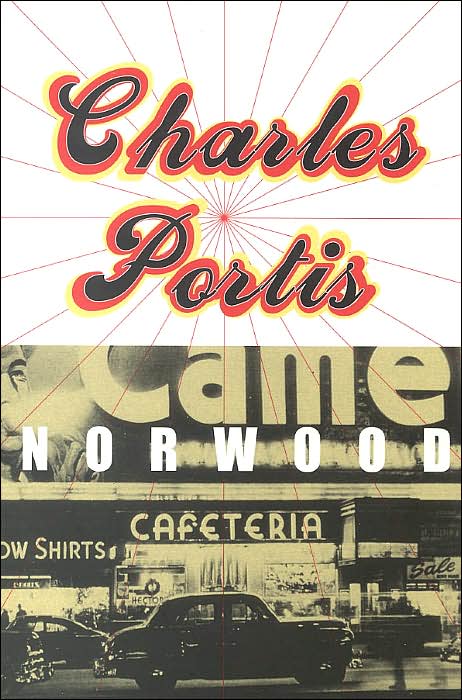 Norwood by Charles Portis (1966). The comic conversation and surreal adventure that distinguish Portis’s fiction shine in this first novel about Norwood Pratt, a war hero with country music dreams who’s stuck in a small Texas town. Seeking escape, Norwood decides to find an old Marine buddy who owes him seventy dollars. His trip to Manhattan and then Memphis is filled with quirky characters (a midget, an educated chicken), strange situations, and homespun wisdom: “Don’t let your mouth write a check that you’re ass can’t cash.”
Total Points: 8 (WK 8)
 Père Goriot by Honoré de Balzac (1834). When law student Eugène de Rastignac falls for the high-maintenance daughter of Père Goriot, a wheat merchant King Lear who has impoverished himself elevating his daughters in Parisian society, he needs more money than he can make honestly. That’s when Vautrin, a fellow boarder at his pension, suggests that Rastignac might make his fortune . . . at the cost of a minor murder. The tension becomes almost unbearable as Rastignac wrestles with his conscience and readers confront Vautrin, whose contempt for conventional morality prefigures every existential hero since.
Total Points: 8 (TP 8)
 Red Dragon by Thomas Harris (1981). Imitation is the most annoying form of flattery for archfiend Dr. Hannibal Lecter in this terrifying predecessor to The Silence of the Lambs. Red Dragon describes the original capture of cannibalistic serial killer Lecter and his subsequent indignation on hearing that another monster is imitating his sadistic methods. Harris skillfully leaves open who is manipulating whom when Lecter agrees to help the FBI track down the copycat, who matches Lecter eye for eye—literally.
Total Points: 8 (DFW 8)
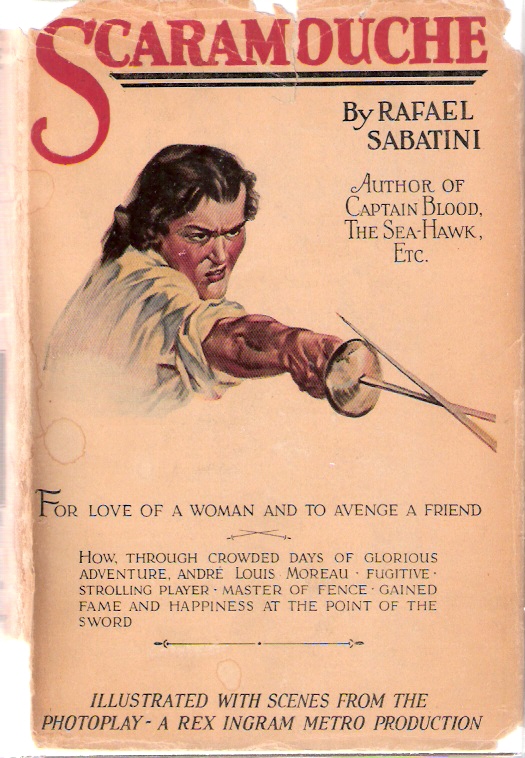 Scaramouche by Rafael Sabatini (1921). Swashbuckling swordsman, inspiring orator, actor, lawyer, revolutionary politician, Andre-Louis Moreau “was born with the gift of laughter and a sense that the world was mad.” He must employ all his skills in seeking revenge against the wicked aristocrat who murdered his friend, a young clergyman, for expressing democratic ideas. The tension mounts when Moreau learns his adversary hopes to wed his beloved. A master of action-adventure (his other works include Captain Blood), Sabatini paints Moreau’s story against the surging French Revolution, coloring his high drama with history and politics.
Total Points: 8 (MC 8)
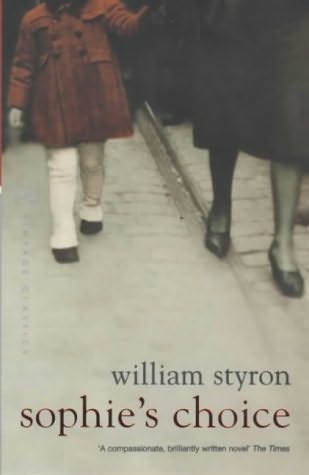 Sophie’s Choice by William Styron (1979). This novel is at once the story of a young writer’s coming of age and his slow uncovering of the story of Sophie, his neighbor in a Brooklyn boarding house and a Polish survivor of the Holocaust who has had to make a biblical choice between her children. Comic and tragic, the story moves with symphonic grace toward its final denouement. Looking back across the span of years, an older, somewhat wiser Stingo recreates in lush detail post–World War II Brooklyn and one man’s slow awakening to the horrors people are capable of.
Total Points: 8 (DH 8)
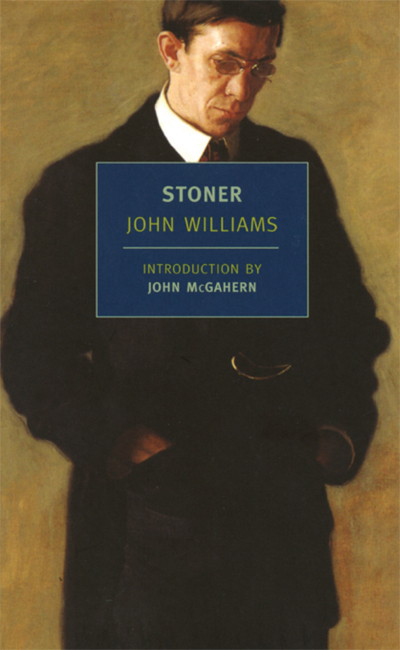 Stoner by John Williams (1965). William Stoner is born at the end of the nineteenth century into a dirt-poor Missouri farming family. Sent to the state university to study agronomy, he instead falls in love with English literature and embraces a scholar’s life, so different from the hardscrabble existence he has known. And yet as the years pass, Stoner encounters a succession of disappointments: marriage into a “proper” family estranges him from his parents; his career is stymied; his wife and daughter turn coldly away from him; a transforming experience of new love ends under threat of scandal. Driven ever deeper within himself, Stoner rediscovers the stoic silence of his forebears and confronts an essential solitude. Tom Bissel calls this “the best ‘quiet’ book I've ever read, and the most heartbreaking.”
Total Points: 8 (TBiss 8)
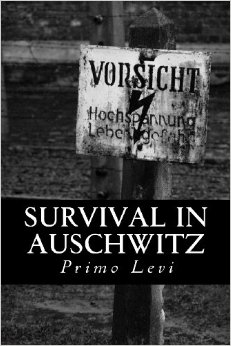 Survival in Auschwitz by Primo Levi (1947). In 1943, Primo Levi, a twenty-five-year-old chemist and “Italian citizen of Jewish race,” was arrested by Italian fascists and deported from his native Turin to Auschwitz. This memoir is Levi’s classic account of his ten months in the German death camp, a harrowing story of systematic cruelty and miraculous endurance. Remarkable for its simplicity, restraint, compassion, and even wit, it remains a lasting testament to the indestructibility of the human spirit.
Total Points: 8 (AFilip 8)
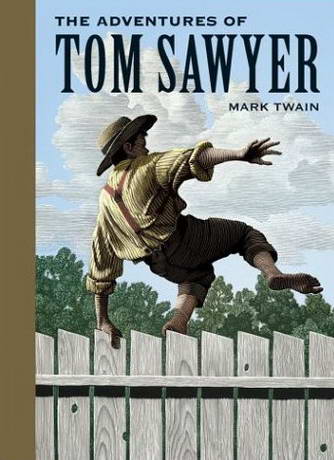 The Adventures of Tom Sawyer by Mark Twain (1876). Twain’s charming fictionalization of his Hannibal, Missouri, boyhood marks the passages, large and small, of youth: Tom plays hooky from school, courts Becky Thatcher, gets lost with her in the Bat Cave, and runs afoul of Injun Joe. Tom even manages to eavesdrop on his own funeral. The way he convinces his friends to pay him for the privilege of whitewashing his fence proves that he is a trickster for the ages.
Total Points: 8 (AP 8)
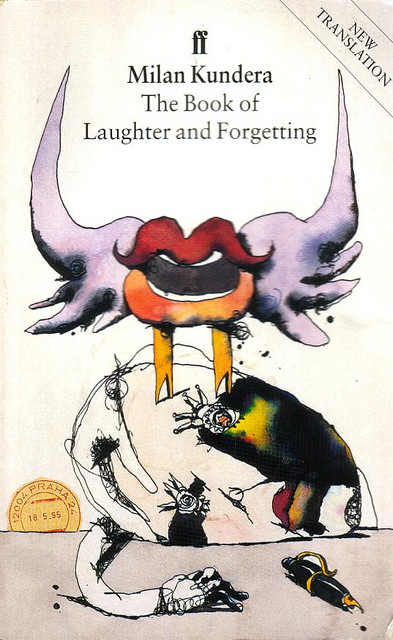 The Book of Laughter and Forgetting by Milan Kundera (1978). A pastiche that deliberately recalls the narrative games of Tristram Shandy, this novel uses seven thematically linked tales (as well as forays into philosophy, musicology, literary criticism, and autobiography) to explore the permeable borders between Eastern and Western Europe, eroticism and banal libertinism, and the public versus the private, which Kundera sees as the shrinking, doomed cradle of civilization.
Total Points: 8 (DAD 8)
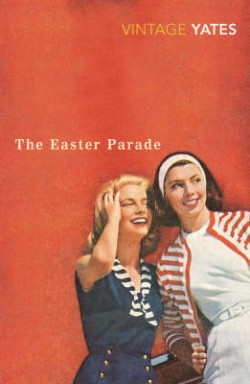 The Easter Parade by Richard Yates (1976). Carolyn Leavitt writes: “Yates is one of my favorite writers, and he really isn’t as well known as he should be. This searing story of two sisters, both destined for unhappiness, and their unfolding lives, is riveting. The novel follows the sisters, children of divorce, over four decades. Sarah settles into an unhappy marriage while Emily is torn by one love affair after another, and her burgeoning job success begins to fade out along with her romantic prospects. The ending, as Emily begins her slow spiral down is shocking and somehow inevitable. Gorgeously written, this book deserves to find a new audience.”
Total Points: 8 (CL 8)
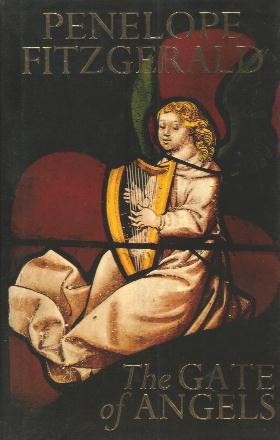 The Gate of Angels by Penelope Fitzgerald (1990). The year is 1912 and, it seems, reason is finally giving the heave-ho to faith. At least that’s what rector’s son turned Cambridge scientist Fred Fairly thinks, until a freakish bicycle accident connects him to the beautiful and mysterious Daisy Saunders. Though he has made a pledge of celibacy, he is now in love and so must puzzle the questions of chaos and order, fate, chance, and the wonders of the soul in this funny, sharp novel of ideas.
Total Points: 8 (EH 8)
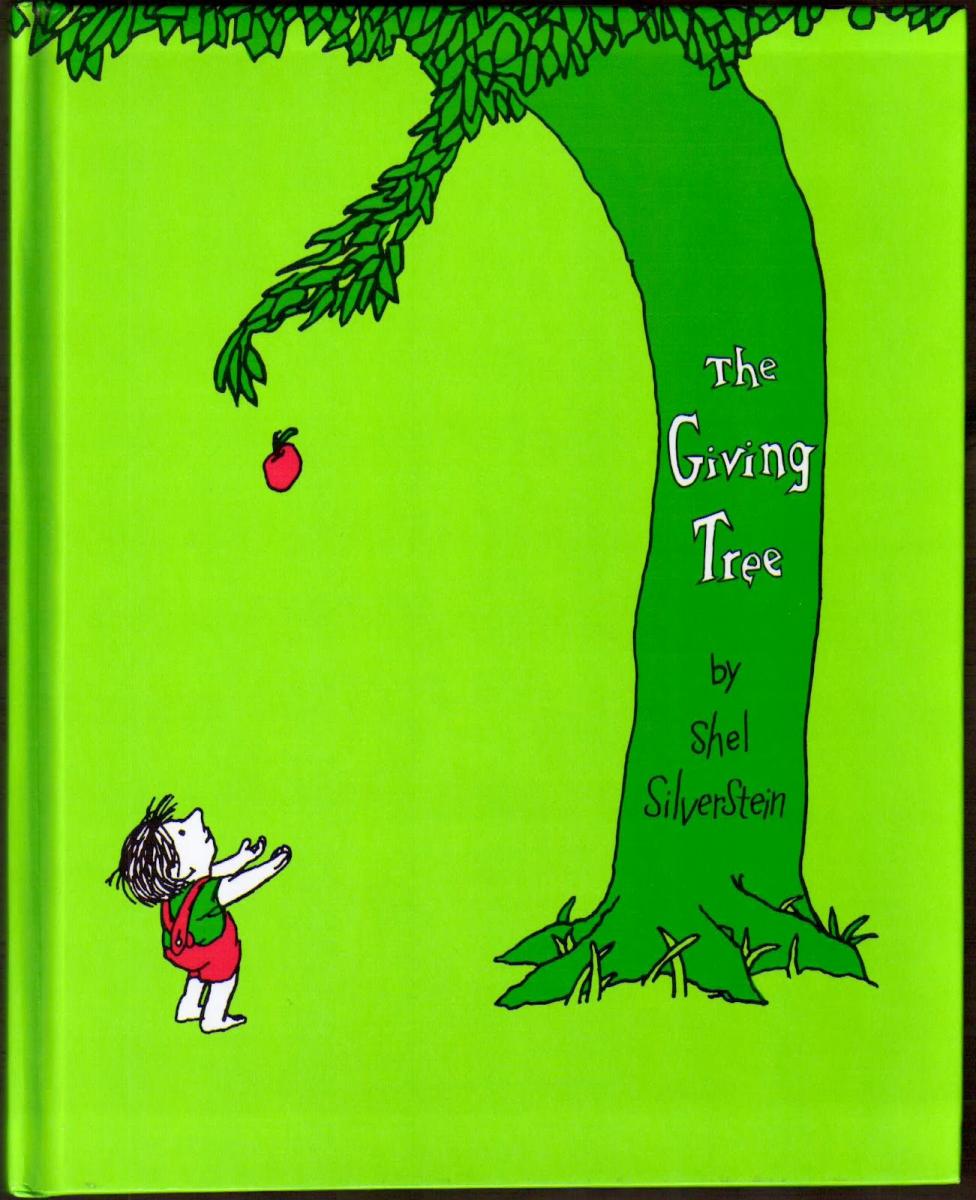 The Giving Tree by Shel Silverstein (1964). This parable about the parent–child bond features an apple tree that gives and gives and a boy who takes and takes. As the boy matures, his needs become harder to meet. But the tree never fails, ultimately sacrificing life and limb. Silverstein, who also illustrated this children’s book, casts no moral judgments in this open-ended tale that concludes with the boy, now an old man, sitting on all that’s left of the tree, a stump: “And the tree was happy.”
Total Points: 8 (AT 8)
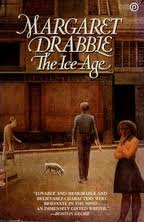 The Ice Age by Margaret Drabble (1977). Drabble is a quietly dogged social novelist, and her books can be read collectively as a history of contemporary England’s soul. Here she uses Anthony Keating, a former BBC official turned failed real estate developer, to explore the gloomy interregnum between the go-go 1960s and the more seriously materialistic Thatcher era, when the cozy values of old England were growing increasingly shabby without any new values to replace them.
Total Points: 8 (DC 8)
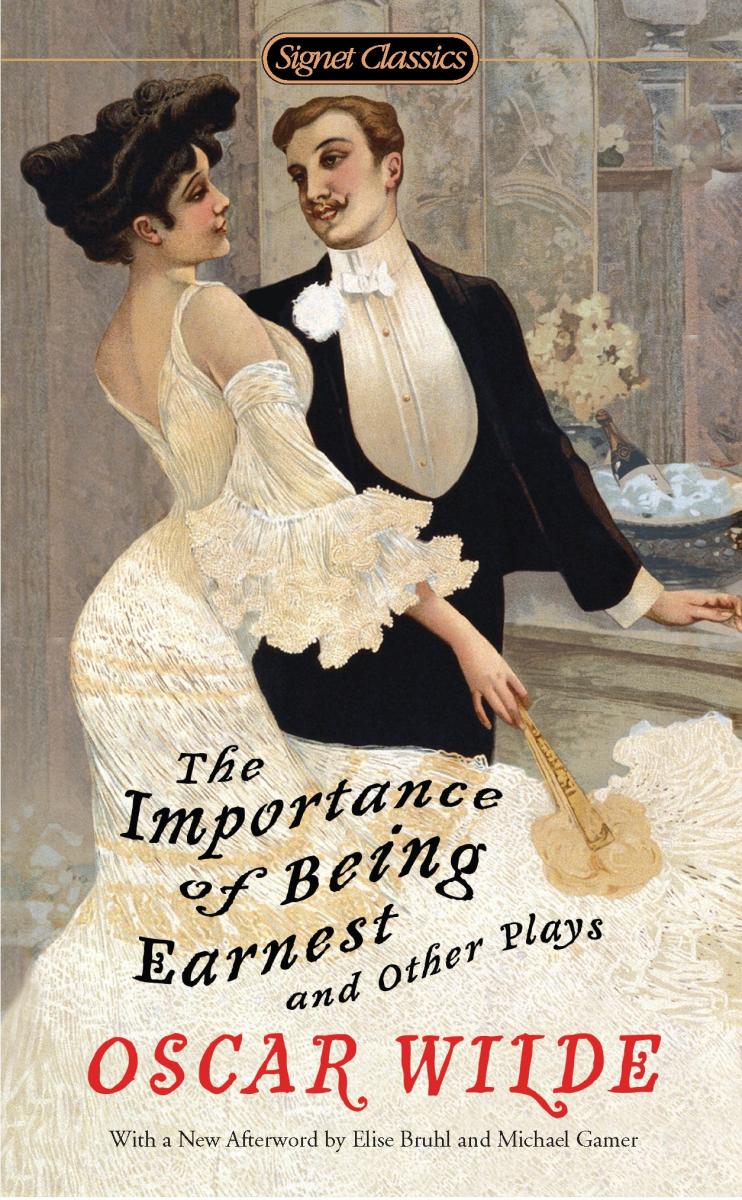 The Importance of Being Earnest by Oscar Wilde (1895). “The truth is rarely pure and never simple,” one character remarks in Wilde’s clever comedy about double identities. And white lies are even more complicated, as two young Englishmen of leisure learn when they try to avoid undesirable social obligations by claiming their noble services are required by needy (and imaginary) friends. When the worlds of their “friends” and fiancées collide, their confabulations turn to witty farce.
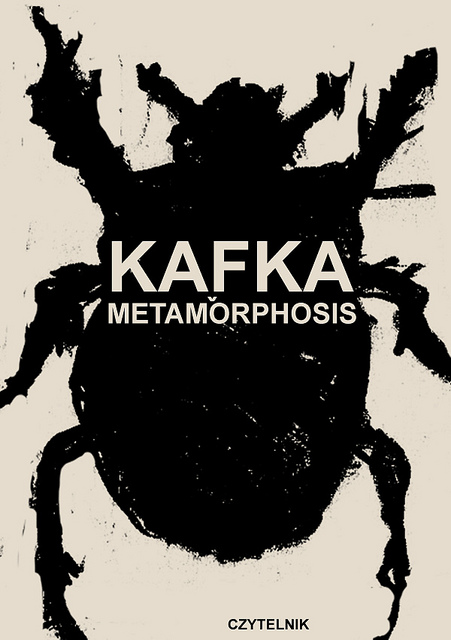 The Metamorphosis by Franz Kafka (1915). This harrowing narrative of a clerk, Gregor Samsa, who wakes from “uneasy dreams” to find himself transformed into a giant insect, is the quintessential Kafkaesque tale. Gregor is not dreaming; he really has become a bug who hides under the sofa to keep from horrifying his mother, and who is pummeled with apples and cursed by his father. The strange magic of the story is the way Kafka sustains our empathy with this creature, such that the bizarre and claustrophobic scenes intensify, and even haunt, our awareness of human vulnerability.
 The Old Man and the Sea by Ernest Hemingway (1952). This poignant parable of an old Cuban fisherman’s valiant solitary struggle against a huge fish embodies Hemingway’s definition of courage: grace under pressure. After months without a catch, and deserted by his young protégée, ancient Santiago finally hooks an enormous marlin, which is also prized by a marauding shark, in this study of self-reliance, implacable nature, and equanimity in the face of insurmountable odds.
Total Points: 8 (RW 8)
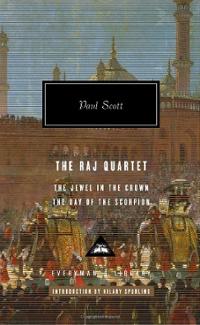 The Raj Quartet by Paul Scott (1966–75). Made famous by a popular television series, this rich quartet of novels dramatizes the final years of British rule (“the Raj”) in India through explorations of several intersecting lives. Indian Hari Kumar’s interracial relationship with Englishwoman Daphne Manners, the career and sexual opportunism of Police Super intendent Ronald Merrick, the encroaching madness and despair of idealistic missionary Barbie Batchelor, and the failure of well-intentioned diplomat Guy Perron to decipher the riddle India poses for its would-be conquerors are painstakingly woven into an engrossing, unforgettable extended narrative.
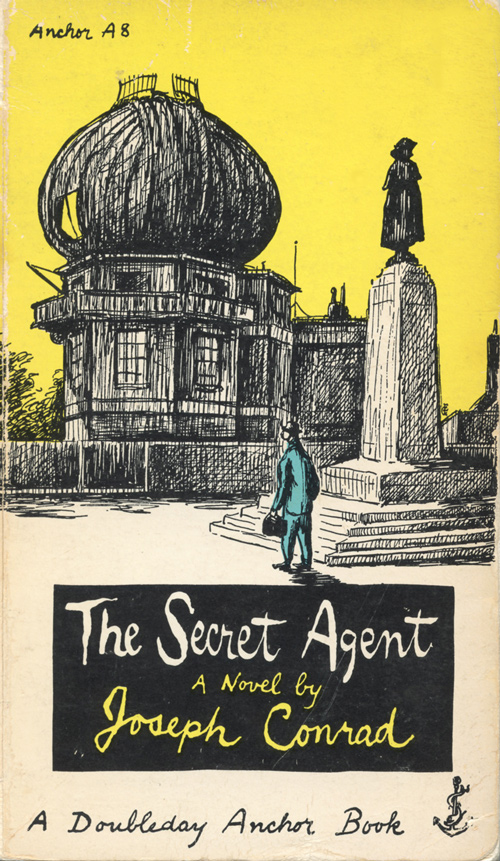 The Secret Agent by Joseph Conrad (1907). A darkly comic work (and thus rare for Conrad), this novel follows a group of anarchists and spies—including an American who walks around with a bomb strapped to his chest—plotting to blow up London’s Greenwich Observatory. Often now misread as a condemnation of terrorism, The Secret Agent is really an ironic critique of abstract ideology and careerist bureaucracy—both forces that use and crush the individual.
Total Points: 8 (GG 8)
 The Sheltered Life by Ellen Glasgow (1932). Glasgow’s signature themes—the place of women and the crumbling Old South—reached a high point in three comedies of manners set in the fictional city of Queenborough—The Romantic Comedians (1926), They Stooped to Folly (1929), and The Sheltered Life (1932). Here, Glasgow depicts the declining fortunes of two tradition-bound Virginia families, the Archibalds and the Birdsongs. Through young Jenny Blair Archibald, she represents the possibility of feminine independence in this penetrating account of southerners being forced into the modern era.
Total Points: 8 (LS 8)
 The White Albumby Joan Didion (1979). This essay collection records indelibly the upheavals and aftermaths of the 1960s. Examining key events, figures, and trends of the era—including Charles Manson, the Black Panthers, and the shopping mall—through the lens of her own spiritual confusion, Joan Didion helped to define mass culture as we now understand it. Written with a commanding sureness of tone and linguistic precision, Didion’s collection is a seminal text of American reportage.
Total Points: 8 (ABrav 8)
 The Wind-Up Bird Chronicle by Haruki Murakami (1994). A cross between Dante’s Inferno, Through the Looking Glass, and Catch-22, this novel depicts the bizarre and often inexplicable journey of Japanese Everyman Toru Okada, whose missing cat prompts the disappearance of his wife, encounters with psychics and call girls, days huddled in meditation at the bottom of a well, and the breathtakingly graphic depiction of a man being skinned alive.
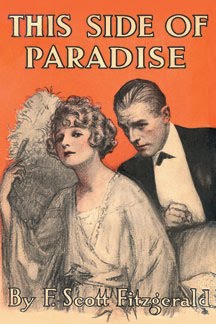 This Side of Paradise by F. Scott Fitzgerald (1920). Fitzgerald’s first novel, it is widely considered one of the definitive expressions of the "Lost Generation." It focuses on the coming of age of Amory Blaine, a handsome, wealthy Princeton student, who exemplifies the young men and women of the 20s who grew up to find "all Gods dead, all wars fought, all faiths in man shaken."
Total Points: 8 (RG 8)
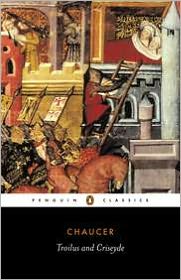 Troilus and Criseyde by Geoffrey Chaucer (1381). The first great love story in English, this epic poem tells the story of what befell two lovers, Criseyde and Troilus, during the Trojan war. Criseyde is a stunner: “So aungellyk was hir natyf beautee / That lyk a thing immortal semed she.” Troilus is a Trojan prince. Alas, Criseyde can’t dally in Troy—she is forced to leave to go to the Greeks, for whom her father, a soothsayer, is working. Her pledge of eternal fidelity to Troilus is broken when she is seduced by the Greek warrior Diomedes. Is she a tramp or a victim of circumstances? Chaucer overturns the tiresome clichés of medieval misogyny in his humanistic treatment of this story.
 Uncle Vanya by Anton Chekhov (1895). Chekhov helped transform the theater through his pioneering use of indirect action—the gunshot fired offstage—and his ability to develop themes not just through dialogue but by creating a mood or atmosphere on stage. He was also a master of characterization. These skills are apparent in this wonderfully complex play, set on an estate in nineteenth-century Russia, which details the relationships among family members who look back on their lives with regret.
Total Points: 8 (PCam 8)
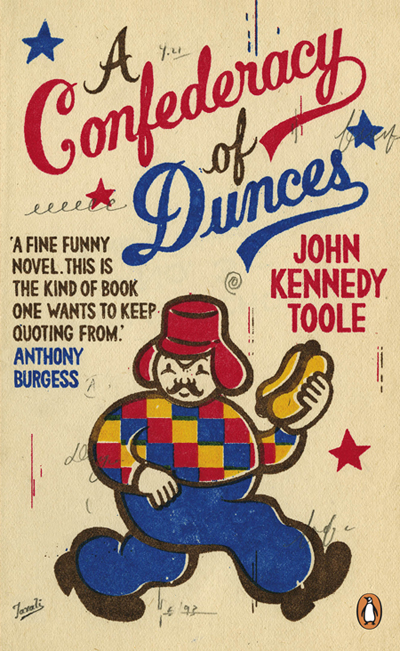 A Confederacy of Dunces by John Kennedy Toole (1980). “The funniest novel of the twentieth century,” said Donald Harington of this sprawling picaresque, which was awarded a Pulitzer Prize after Toole’s suicide. Its blustering, bumfuzzled antihero is Ignatius J. Reilly, an unintentionally hilarious, altogether deluded, and oddly endearing student of man who lives with his mother in New Orleans. Forced by a series of misadventures to finally find work, he endures stints as a pirate-clad hot dog vendor and a file clerk. As he meets strippers, lotharios, and other sharply drawn comic characters, Ignatius rants against the world’s stupidity and ponders his magnum opus, The Journal of a Working Boy.
Total Points: 7 (DH 7)
 A Tree Grows in Brooklyn by Betty Smith (1943). Despite its hopeful title, this coming-of-age story set in 1912 offers an unflinching look at poverty, cruelty, sex, and death. As we watch eleven-year-old Francie Nolan vie with her favored brother for their mother’s love and deal resourcefully with privations and prejudice, Smith offers frank depictions of tenement squalor through the eyes of her resilient heroine.
Total Points: 7 (JW 7)
A Tree Grows in Brooklyn by Betty Smith (1943). Despite its hopeful title, this coming-of-age story set in 1912 offers an unflinching look at poverty, cruelty, sex, and death. As we watch eleven-year-old Francie Nolan vie with her favored brother for their mother’s love and deal resourcefully with privations and prejudice, Smith offers frank depictions of tenement squalor through the eyes of her resilient heroine.
Total Points: 7 (JW 7)
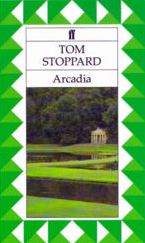 Arcadia by Tom Stoppard (1993). This play takes us back and forth between the nineteenth and twentieth centuries, ranging over the nature of truth and time, the difference between the Classical and the Romantic temperament, and the disruptive influence of sex on our orbits in life. Focusing on the mysteries—romantic, scientific, literary—that engage the minds and hearts of characters whose passions and lives intersect across scientific planes and centuries.
Total Points: 7 (LG 7)
 Charlotte’s Web by E. B. White (1952). If cats have nine lives, pigs have two—at least Wilbur did. First he is saved by eight-year-old Fern, who can talk to animals; then he is rescued by a wise spider named Charlotte, who spins a web that convinces people Wilbur is “Some Pig.” This clever, gentle, and funny children’s book offers much wisdom on life, death, and friendship before ending on a five-hankie note.
Total Points: 7 (AT 7)
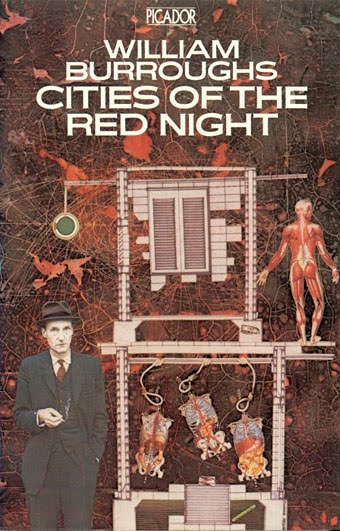 Cities of the Red Night by William S. Burroughs (1981). This novel follows various plot strands – including 18th century pirates seeking to live lives of freedom according to articles written by Captain James Mission; a present-day detective, “Clem Snide, Private Asshole,” investigating the ritual sex murder of young boys, and the rise of a radioactive virus that may involve the CIA. An opium-infused apocalyptic vision from the legendary author of Naked Lunch, it is the first of the trilogy with The Places of the Dead Roads and his final novel, The Western Lands.
Total Points: 7 (IWelsh 7)
 Death of a Salesman by Arthur Miller (1949). A broken Everyman, Willy Loman is about to be fired from his job as a traveling shoe salesman. In response he clings to fantasies—that he is “well liked” and that his troubled sons, Hap and Biff, are bound for greatness. A withering assault on the American Dream, the play is an affecting portrait of a man unable to understand the forces that have shaped his life.
 Disturbing the Peace by Richard Yates (1975). A meticulous, relentless account of failure and depression, this mordant novel examines the American pursuit of success in accents that echo Fitzgerald and O’Hara. Its protagonist, John Wilder, is a prototypical Yates underachiever: an advertising salesman misled by delusions of an artistic career (as a movie producer) and hampered by inherited weaknesses, a hopeful yet doomed marriage made during the glamorous Kennedy era, and a series of breakdowns that reveal his irreversible ordinariness. Not quite tragedy, but memorable indeed for its uncompromising, compassionate bleakness.
Total Points: 7 (AMH 7)
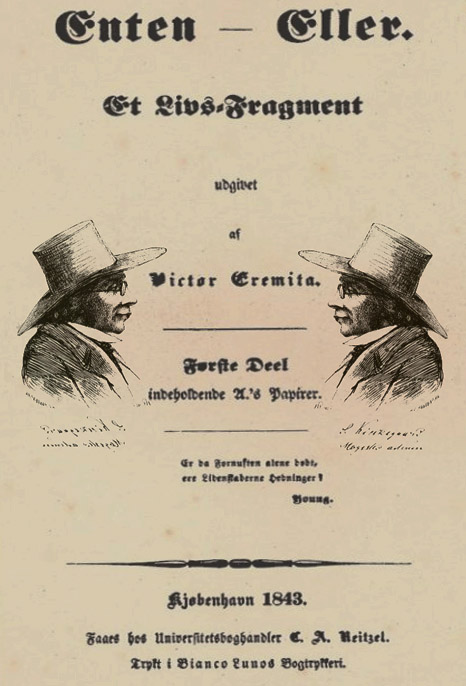 Either/Or: A Fragment of Life by Søren Kierkegaard (1843). In Either/Or, using the voices of two characters - the aesthetic young man of part one, called simply 'A', and the ethical Judge Vilhelm of the second section - Kierkegaard reflects upon the search for a meaningful existence, contemplating subjects as diverse as Mozart, drama, boredom, and, in the famous Seducer's Diary, the cynical seduction and ultimate rejection of a young, beautiful woman. A masterpiece of duality, Either/Or explores the conflict between the aesthetic and the ethical - both meditating ironically and seductively upon Epicurean pleasures, and eloquently expounding the noble virtues of a morally upstanding life.Siri Hustvedt observes: “This is either the novel as philosophy or philosophy as the novel by the master of irony himself. It is, in all events, a long work of prose fiction, written under a pseudonym with a fictional editor’s introduction. Diabolical in its wit, passionate, and sly, it is a book at once immensely difficult and deeply pleasurable to read.”
Total Points: 7 (SHust 7)
 Gargantua and Pantagruel by François Rabelais (four books published between 1532 and 1552).
Appreciation of François Rabelais’ Gargantua and Pantagruel by Fred Chappell
The stories of the giant Gargantua and his giant son Pantagruel, of their birth, nurture, education, and heroic feats of arms; of Pantagruel’s voyages through strange lands and exotic cultures in search of ultimate wisdom; of their companions Rondibilis, Frère Jean, and the irrepressible, inexpressible Panurge; of their arriving at last in the abode of the Priestess Bacbuc whose oracular Bottle utters the final truth they have sought—these stories are impossible to summarize and set in order.
It would be presumptuous even to try to do so, since one of the great themes of François Rabelais (1494?–1553) is glorious, raucous, exasperating, exhilarating, universal disorder. The author, a maverick cleric and observant physician, gave our modern world, at the moment of its birth in the Renaissance, its first comprehensive picture of what it was and what it could become. The world borrowed his name for its most treasured and common kind of humor: Rabelaisian, meaning rowdy, rude, satirical, unsparing, obscene, and sometimes cruel.
As Rabelais invented a new literary form, the exorbitant picaresque satire, he invented a new language to express it. His pages are a Babel of polyglot puns, monkish obscurities, legalisms, overblown fustian, and street demotic. Lists abound: diseases and cures, body parts, herbs, geographical oddities, and cusswords in droves.
Here is fantasy rooted in folktale, offering what only the great literary fantasies—The Faerie Queene, The Tempest, Paradise Lost, Orlando Furioso, The Time Machine, and a few others—can: a vision of humanity in its relationship with the cosmos and with eternity. At the same time, it presents an earthy panorama of daily concerns and relationships. Unique among the great visionary works, Gargantua and Pantagruel is the only slapstick comedy. Among all comedies, it is one of the best.
Total Points: 7 (FC 7)
 Hedda Gabler by Henrik Ibsen (1890). Like Anna Karenina and Emma Bovary, Hedda Gabler is trapped in a loveless marriage, which she entered into for security and cannot leave for fear of scandal. Though she is “crowing for life,” societal norms constrict her, making Hedda a manipulative and frustrated woman. The appearance of her former lover—a brilliant, debaucherous writer—unspools a string of betrayals that end in death in this feminist play that showcases Ibsen’s ability to dramatize the burning social issues of his day.
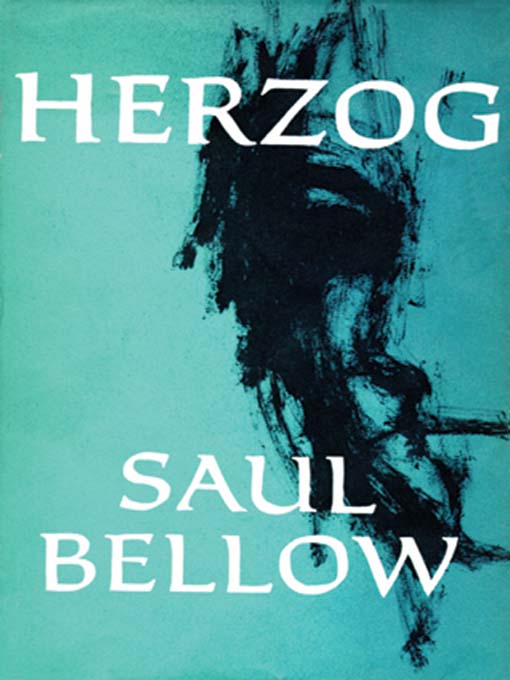 Herzog by Saul Bellow (1964). Moses Herzog has two problems: his book on imagination and the intellect has stalled and his second wife has run away with his best friend. In response to his loneliness and alienation he writes letters—funny, scathing, ruminant, intensely self-aware—to people living and dead (including Friedrich Nietzsche and Willie Sutton) about his Jewish upbringing, old friends and lovers, and the world’s mad hypocrisy. Through Bellow’s prose, philosophically rich yet sprightly antic, the novel takes on this quest: “The dream of man’s heart, however much we may distrust or resent it, is that life may complete itself in significant pattern.”
Total Points: 7 (ST 7)
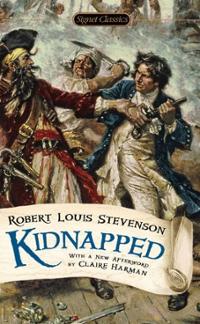 Kidnapped by Robert Louis Stevenson (1886). A coming-of-age story filled with high adventure and Scottish history, this is the story of David Balfour, an orphan sent in 1751 to live with his greedy uncle. To steal David’s inheritance, his uncle has him kidnapped and taken aboard a ship to America to be sold into slavery. David and another captive escape the ship. Then, while fending off a charge of murder, David heads back to the Highlands where he hatches a clever plan to expose his uncle’s wrongdoings.
Total Points: 7 (AMS 7)
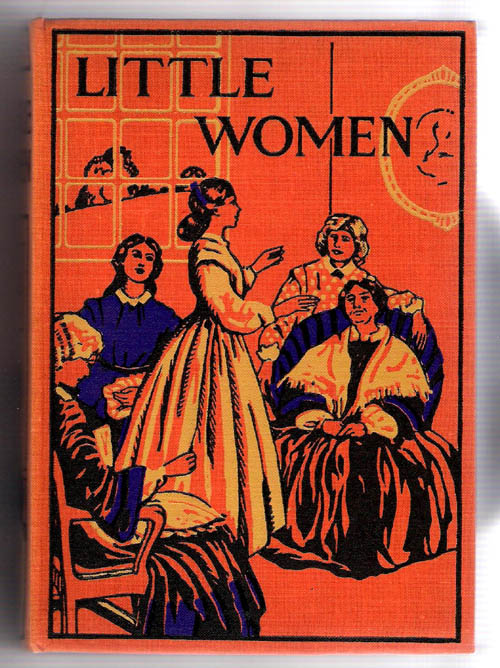 Little Women by Louisa May Alcott (1868). Meg, Jo, Beth, and Amy: for girls who grew up reading about these four sisters, the names run together as readily as John, Paul, George, and Ringo. Maybe the magic of foursomes explains this novel’s enduring appeal. Readers get their pick of heroines: motherly Meg, harum-scarum Jo, goodness-personified Beth, or naughty Amy. Cared for by their saintly mother, Marmee, while their father is away fighting in the Civil War, the sisters get into scrapes, go on larks, find love, and suffer loss. It’s the ultimate bildungsroman for girls.
Total Points: 7 (RFD 7)