The List of Books


We awarded points for each selection – 10 points for a first place pick, nine points for a second place pick, and so on. Then we totaled up all the points and ranked them accordingly. Here are all the books ordered by the number of points each earned. In the parentheses are the initials of the authors that selected them and the points earned. Click on their initials to see their list. 

For Bread Alone by Mohamed Choukri (1973). Driven by famine from their home in the Rif, Mohamed’s family walks to Tangiers in search of a better life. But his father is unable to find work and grows violent. Mohamed learns how to charm and steal. During a short spell in a filthy Moroccan jail, a fellow inmate kindles his life-altering love of poetry. The celebrated writer Paul Bowles collaborated closely with the author on the translation.

Total Points: 6 (LL 6)

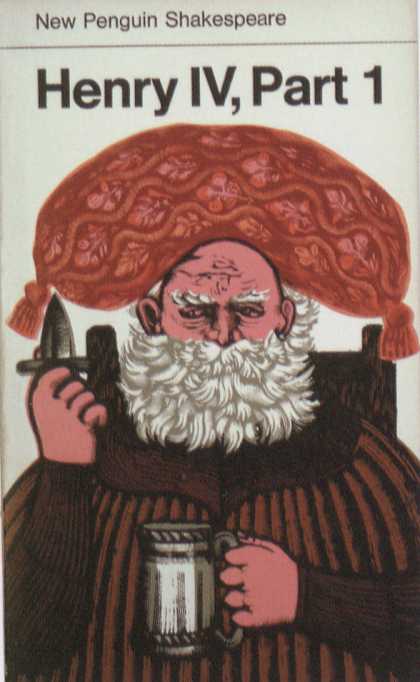
Henry IV, Parts I and II by William Shakespeare (1596–98). These plays follow the rise of Prince Hal, son of Henry IV, from wastrel cavalier to powerful King Henry V, who would lead the English army to victory over the French at Agincourt in 1415, as dramatized in Henry V. Hal’s maturation from rioting prince to deadly serious king is not without complications, however, as he renounces a festive underworld of great verbal richness, unparalleled wit, and creative energy for a ruthless, sinister, and murderous world of Machiavellian politics where might equals right. The most famous casualty of this transformation is Shakespeare’s greatest comic creation, Sir John Falstaff, Hal’s boon companion in Part I, whom the prince summarily rejects in Part II.

Total Points: 6 (JSalt 6)

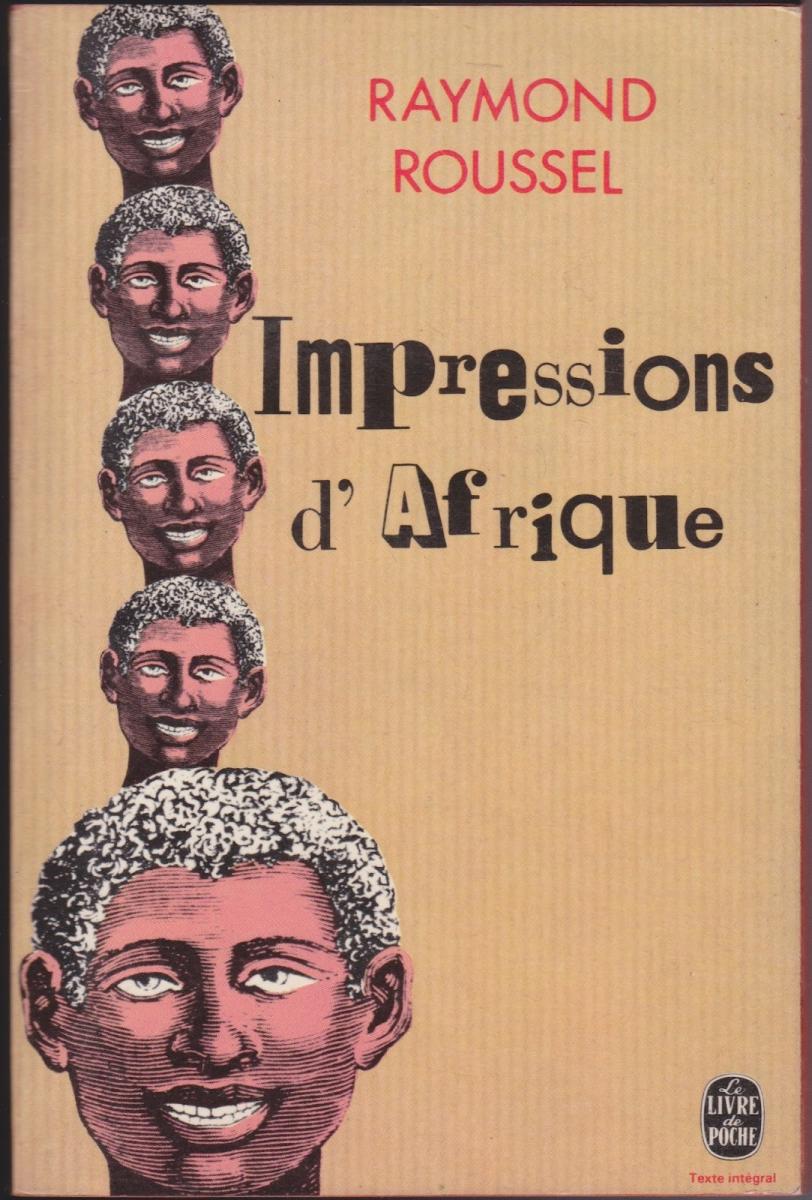
Impressions of Africa by Raymond Roussel (1910). The masterpiece of one of France’s leading experimental writers, this novel begins with the shipwreck of a band of Europeans held for ransom in a mythical African kingdom. As they await their release, each displays a theatrical or technical skill to be showcased at a gala ball. In the novel’s second half, Roussel describes how the characters developed these surprising skills in pun-filled, allusion-fueled prose.

Total Points: 6 (BM 6)

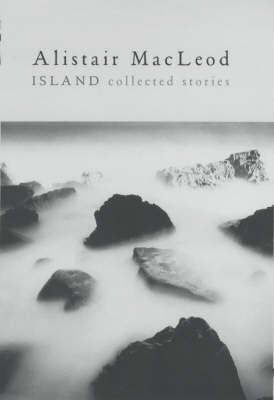
Island: The Complete Stories by Alistair MacLoed (2000). A book-besotted patriarch releases his only son from the obligations of the sea. A father provokes his young son to violence when he reluctantly sells the family horse. A passionate girl who grows up on a nearly deserted island turns into an ever-wistful woman when her one true love is felled by a logging accident. A dying young man listens to his grandmother play the old Gaelic songs on her ancient violin as they both fend off the inevitable. The events that propel MacLeod's stories conjure the importance of tradition, the beauty of the landscape, and the necessity of memory.

Total Points: 6 (TJ 6)


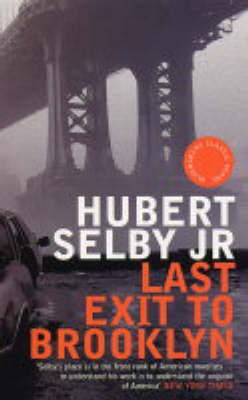
Last Exit to Brooklyn byHubert Selby, Jr. (1957). This stylistically uncompromising and innovative, gritty and notorious novel is a famously bleak, foul-mouthed and frank collection of six linked stories set in the violent neighbourhoods of Brooklyn. Selby brings out the dope addicts, hoodlums, prostitutes, workers, and thieves brawling in the borough’s back alleys of Brooklyn. First published in the USA in 1957 and then again in 1961 and 1963 before making a splash in 1964, it showed us the fierce, primal rage seething in America’s cities.

Total Points: 6 (ABrav 6)

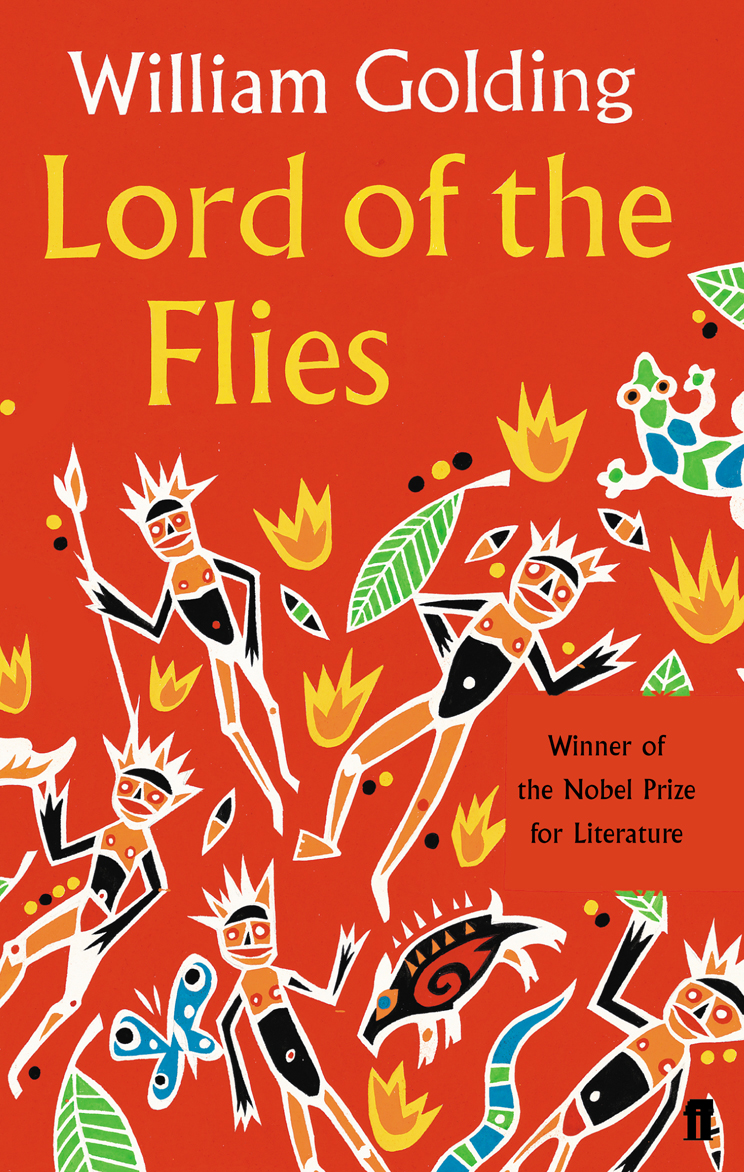
Lord of the Flies by William Golding (1955). Usually the most disturbing book on the ninth-grade reading list—who can forget the pig’s head?—the Nobel laureate’s most famous novel depicts a group of boys stranded on an island after a plane crash. Some, like the intellectual Piggy, try to develop rules and society, but savagery takes hold and the boys revert to an order based on violence, tribalism, and eerie rites.

Total Points: 6 (SK 6)

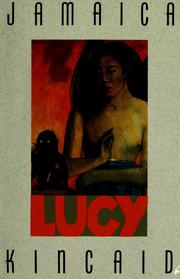
Lucy by Jamaica Kincaid (1990). Nineteen-year-old Lucy happily leaves her West Indian home and domineering mother to work as an au pair for a well-off and well-meaning American family. But as she develops a new sense of self and independence, she is forced to grapple with life as an outsider, a servant, and a woman of color in a country obsessed with race yet blind to history. Conveyed in Kincaid’s stinging yet poetic prose, Lucy’s awakening illuminates the divides between power and powerlessness, complacency and outrage, comfort and justice.

Total Points: 6 (TCB 6)

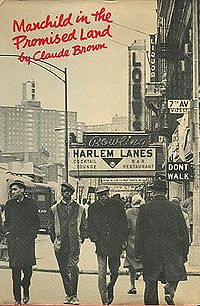
Manchild in the Promised Land by Claude Brown (1965). Fierce, unsparing language and plenty of street jive power this autobiographical novel recounting Brown’s early life as a drug dealer, hustler, and thief amid the numbers runners, prostitutes, cops, and hardworking parents of Harlem in the 1940s and 1950s. His portrait of inner-city blight rises to high tragedy as Brown paints it against the hopes of Southern blacks who came north for the promise of a better life.

Total Points: 6 (AMH 6)

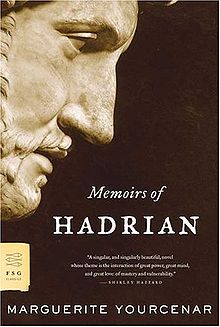
Memoirs of Hadrian by Marguerite Yourcenar (1951). The French author started her novel at age twenty-one; she rediscovered it at forty-six, ending a mammoth bout of writer’s block. Two years later she completed this intimate first-person narrative of the second-century emperor. Through Yourcenar’s magisterial prose, Hadrian—a thoughtful, sensual man aware of both the fleeting nature of time and eternal verities—details his rise and his liberal policies, especially his belief that it is wiser to embrace your neighbors than to go to war against them. Ever the pragmatist, he notes, “Catastrophe and ruin will come; disorder will triumph, but order will too, from time to time.”

Total Points: 6 (ML 5) (JS 1)

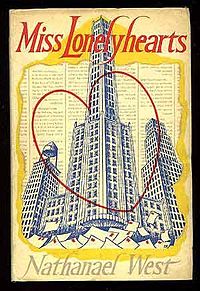
Miss Lonelyhearts by Nathanael West (1933). In this short novel on the soul-sickness of mass society, a New York advice columnist with a Christ complex is laid low by his taste for married women and his belief in his own redemptive powers. The letters in Miss Lonelyhearts were based on actual missives to residents of two hotels the novelist managed in the 1920s—letters West steamed open to read.

Total Points: 6 (WK 3) (APat 3)

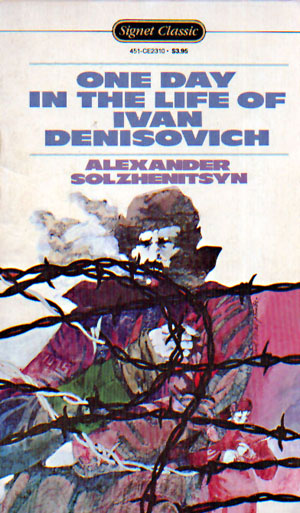
One Day in the Life of Ivan Denisovich by Alexander Solzhenitsyn (1962). The author draws on the eight years he spent in Soviet prisons to write this harrowing novel of the Soviet gulags. Inmates and prisoners are always cold, always hungry, always scheming for crumbs, and willing to betray each other for less in this Siberian labor camp. Though brutally dehumanized, many of Solzhenitsyn’s characters remain indomitable, making this novel an indictment of human nature and an ode to the human spirit.

Total Points: 6 (EF 2) (BH 4)

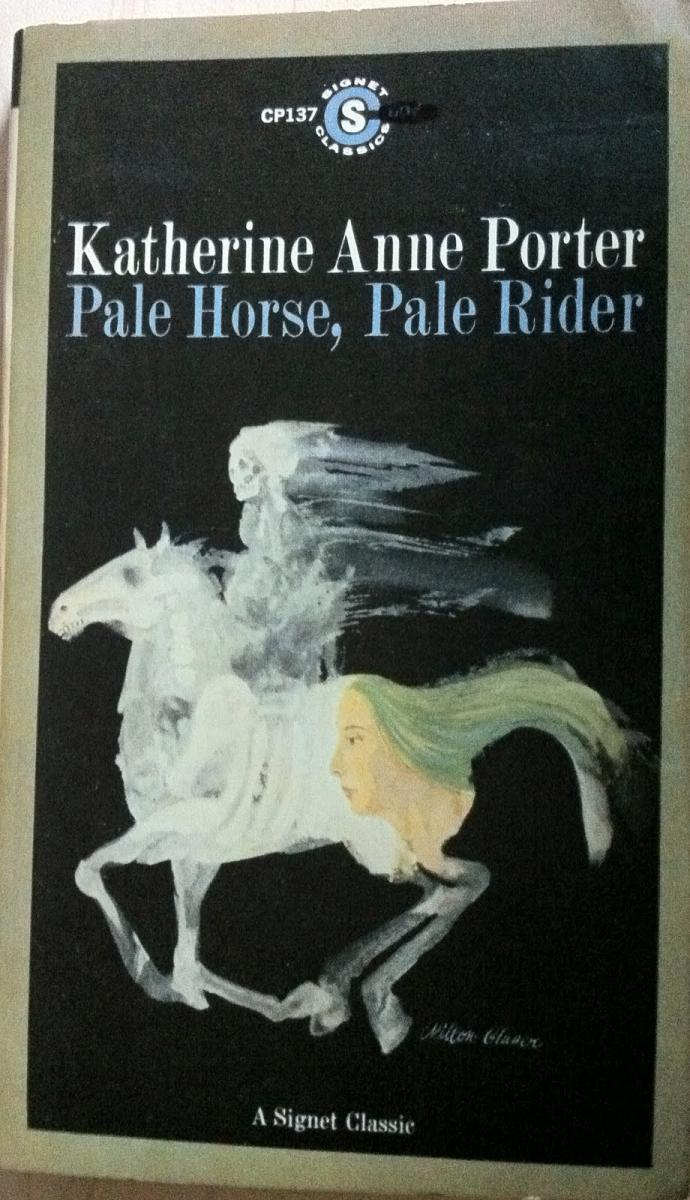
Pale Horse, Pale Rider by Katherine Anne Porter (1939). The title novella of Porter’s celebrated collection follows her semiautobiographical protagonist Miranda (who appears elsewhere in Porter’s fiction) through the ordeals of World War I and the 1918 influenza epidemic. Detailed stream of consciousness narration depicts Miranda’s remembered Texas childhood, her work as a newspaper critic, and her romance with a handsome soldier, as well as the hallucinatory visions provoked by her own illness and slow recovery, the soldier’s death in combat, and an encompassing sense of personal and wider worlds threatened by encroaching catastrophe.

Total Points: 6 (MG 6)

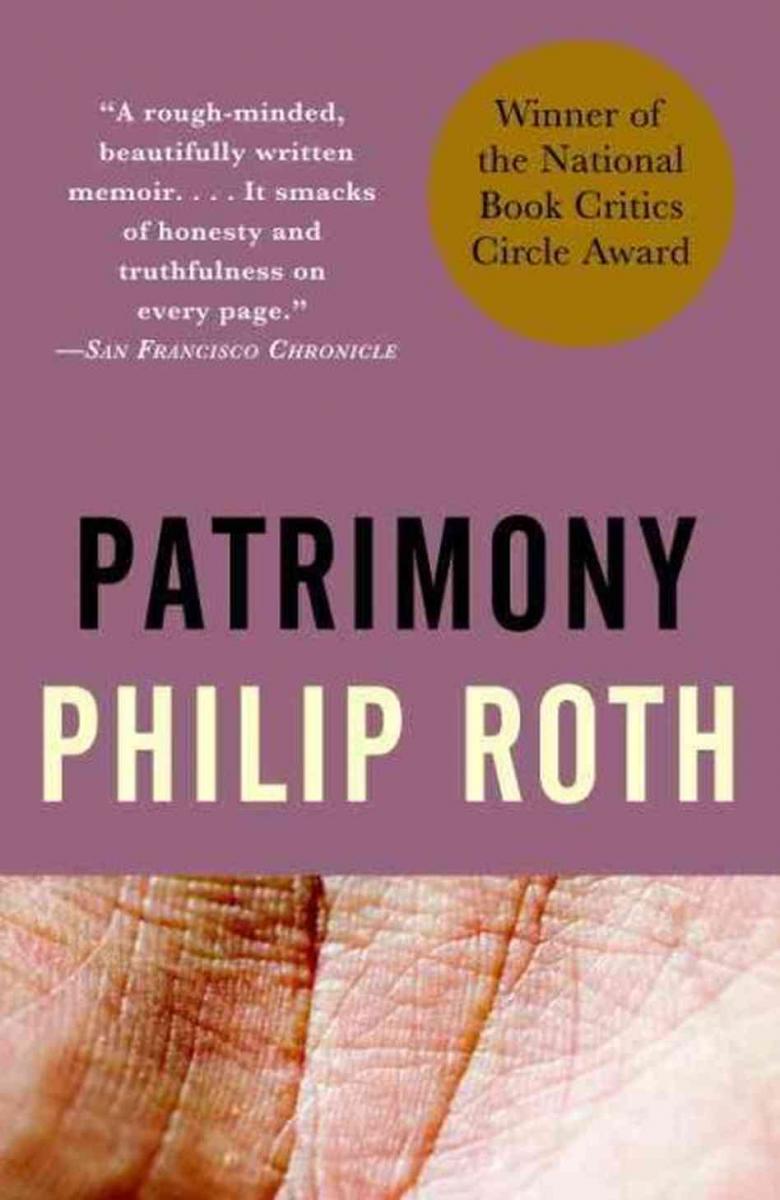
Patrimony: A True Story by Philip Roth (1991). Roth watches as his eighty-six-year-old father—famous for his vigor, charm, and his repertoire of Newark recollections—battles with the brain tumor that will kill him. The son, full of love, anxiety, and dread, accompanies his father through each fearful stage of his final ordeal, and, as he does so, discloses the survivalist tenacity that has distinguished his father's long, stubborn engagement with life.

Total Points: 6 (AWald 6)

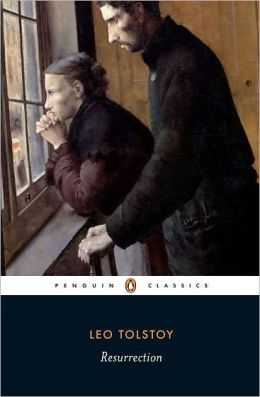
Resurrection by Leo Tolstoy (1899). As a juror on a Moscow murder trial, the middle-aged dandy Prince Nekhlyudov recognizes the defendant as a girl from his family’s country estate whom he had once seduced and abandoned. Blaming himself for her fate, he follows her into exile in Siberia to atone for his actions and the loss of his youthful idealism. Part social exposé, part religious tract expounding Tolstoy’s unorthodox Christianity, the book lambastes Russia’s social divisions and inept justice system.

Total Points: 6 (VM 6)

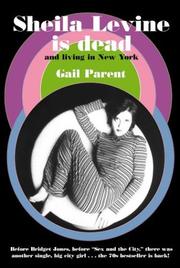
Sheila Levine Is Dead and Living in New York by Gail Parent (1972). Perhaps the funniest suicide note ever written, this novel is the last goodbye of a single New York woman. When Shelia Levine hits thirty she decides it’s time to tie the knot. But finding a proper mate proves impossible in swinging Manhattan and her quest turns to hopeless despair in this clever, insightful, and often heartbreaking book.

Total Points: 6 (JW 6)

Image removed.Hortense Joseph arrives in London from Jamaica in 1948 with her life in her suitcase, her heart broken, but her resolve intact. Her husband, Gilbert Joseph, returns from the war expecting to a hero’s welcome. Instead, he endures second class status. His white landlady, Queenie, raised as a farmer's daughter, befriends Gilbert, and later Hortense, with innocence and courage, until the unexpected arrival of her husband, Bernard, who returns from combat with issues of his own to resolve.

Total Points: 6 (JDíaz 6)

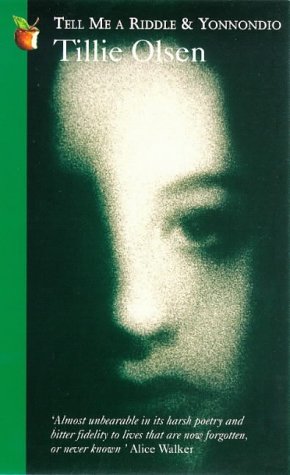
Tell Me A Riddle by Tillie Olsen (1961). A progressive activist and single mother who toiled beside and fought for the working class, Olsen was fifty years old when this, her first book, was published. This deceptively slim volume of four short stories contains a lifetime of experience, depicting the often anguished lives of women and their children, the difficulties of aging, and the challenges faced by immigrants. The title story showcases her rich, spare language as it explores a troubled marriage: “how deep back the stubborn, gnarled roots of the quarrel reached, no one could say . . . but the roots swelled up visible, split the earth between them.”

Total Points: 6 (ST 6)

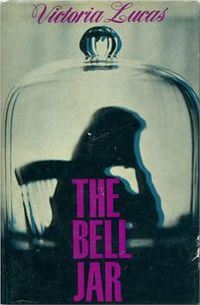
The Bell Jar by Sylvia Plath (1963). This autobiographical novel, a raw, eloquent articulation of a young woman’s nervous breakdown after a summer working at a New York fashion magazine, is especially unsettling because it was published after Plath’s suicide. Her alter ego, Esther Greenwood, is a girl’s Holden Caulfield, ripping away the phoniness of the suburbs, the city, and the doctors who would shock her back into submission. Ultimately, Esther rallies against a sterile world and finds a way to live. Plath did not.

Total Points: 6 (JGil 1) (SMK 5)

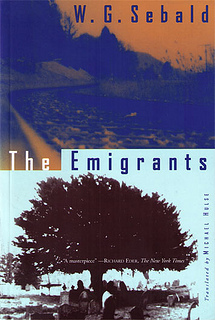
The Emigrants by W. G. Sebald (1992). The German writer’s works are melancholy compressions of life stories lined with large, historical themes. The Emigrants presents four portraits of exile: a doctor who flees to England, a persecuted teacher who takes his own life, a relative of Sebald’s who receives shock treatment in an American sanatorium, and a painter who moves to Manchester to escape the gathering Holocaust. Sebald’s haunted, almost hypnotic prose is juxtaposed with numerous photographs, which give the stories the feel of powerful documentaries. “And so they are ever returning to us,” he writes, “the dead.” Sebald is their archivist.

Total Points: 6 (DL 6)

The Executioner’s Song by Norman Mailer (1979). This masterwork of literary journalism details the short, blighted life of Gary Gilmore who became famous after he robbed two men in 1976 and killed them in cold blood. After being tried and convicted, he immediately insisted on being executed for his crime. To do so, he fought a system that seemed intent on keeping him alive long after it had sentenced him to death. And that fight for the right to die is what made him famous. Mailer tells not only Gilmore's story, but those of the men and women caught in the web of his life and drawn into his procession toward the firing squad. All with implacable authority, steely compassion, and a restraint that evokes the parched landscape and stern theology of Gilmore's Utah.

Total Points: 6 (CBollen 6)

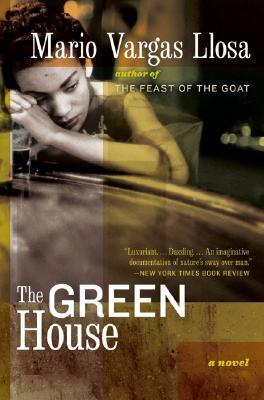
The Green House by Mario Vargas Llosa (1965).

Appreciation of Mario Vargas Llosa’s The Green House by David Anthony Durham

I remember wandering through the world literature section of my university library, feeling a bit lost, recognizing few names. On the recommendation of my writing instructor I was searching for a Peruvian novelist named Mario Vargas Llosa. I found a coverless edition of The Green House, one with no blurbs, no review quotes, no author photo or biography. The surprises found inside, then, were complete and unforgettable.

With The Green House (1966), Vargas Llosa began to explore the ongoing battle that started the moment European culture collided with that of the Americas. The novel is populated by all segments of Peruvian society: indigenous Indians, people of Latin origins, immigrants cast ashore on Peru for myriad reasons—from nuns and Fathers to prostitutes and pimps. There’s even a Brazilian rubber baron–warlord–leper of Japanese ancestry. It ranges from the depths of the rainforest to windblown desert outposts. It’s a novel in which crimes are committed without remorse, conveyed with the brutal honesty of an author confronting the duplicitous exploitation tainting his nation.

The story is rendered in prose as varied as its cast: inner monologue, assimilated dialogue, objective third person, or an omni­ scient point of view, with multiple timelines, concurrent plots, and scenes repeated in layering montage. Honestly, it’s rarely an easy read. One can see the influence of Faulkner, of Sartre and Flaubert, but the manner in which Vargas Llosa transmuted Western influences to enrich his tale remains remarkable. And, I wondered, if this Peruvian writer could do this, what else might be happening out there? By inspiring that question The Green House drew me into a much more complete world of literature. I’ve been grateful to Vargas Llosa ever since.

Total Points: 6 (DAD 6)
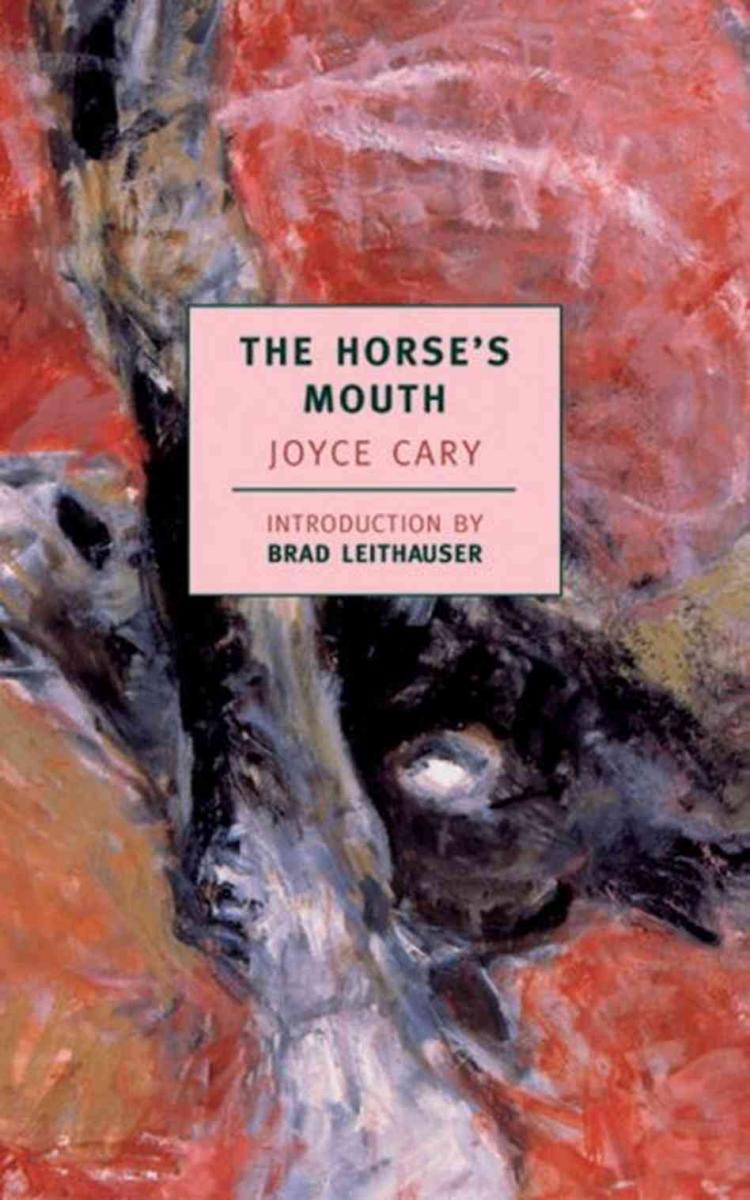
The Horse’s Mouth by Joyce Cary (1944). Just out of jail, sixty-seven-year-old Gulley Jimson, a fast-talking, derelict painter obsessed with William Blake, works to complete his depiction of the Fall of Man in this wicked comic novel. Jimson is brilliant, irredeemable, and obnoxious. It is impossible not to cheer him on as he refuses to be defeated by the repeated setbacks he brings on himself through his selfish obsessiveness, insults, and thievery in this culmination of Cary’s London trilogy.

Total Points: 6 (MSB 6)

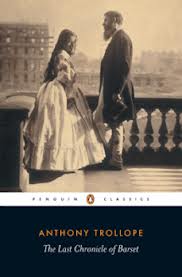
The Last Chronicle of Barset by Anthony Trollope (1867). Trollope’s inimitable gift for combining the chatty and the epic found its greatest flowering in this, the sixth and final volume of his Barsetshire series. From a simple premise—a proud but poor clergyman, Josiah Crawley, is accused of stealing twenty pounds—Trollope creates a web of vivid characters and intrigues while completing a monumental set of works about mid-nineteenth-century England that rival the classics of George Eliot and Charles Dickens.

Total Points: 6 (JR 6)

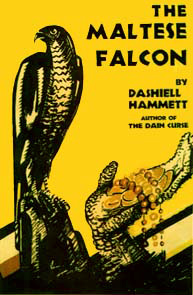
The Maltese Falcon by Dashiell Hammett (1930). Shortly after San Francisco private eye Sam Spade accepts a case from a beautiful and mysterious young woman, his partner, Miles Archer, is killed. Though Spade despised him, his code of honor compels him to solve Archer’s murder. As the two cases intersect, Spade finds himself involved with an eccentric assortment of thugs and con men, all in search of the titular black statue of a falcon said to be worth millions.

Total Points: 6 (RBP 6)

The Old Forest and Other Stories by Peter Taylor (1985). Set in the South of the 1920s and 1930s, the genteel surfaces of Taylor’s stories cloak the unspoken tensions and the rigors of class and economics. Taylor creates stories that are novelistic in their pacing as he digresses and speculates on alternative possibilities to the narrative at hand. Often told by men reflecting on the past, these stories suggest that time does not slay mores and ideas but reinvents them.

Total Points: 6 (EC 6)

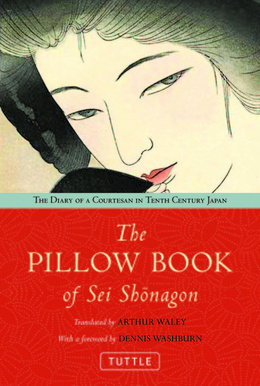
The Pillow-Book of Sei Shonagon (1592). This groundbreaking nonfiction work by a tenth-century lady of the Chinese court uses the list as the structure for personal essays that are bold, funny, unapologetic, and cantankerous. With titles such as “Embarrassing Things,” “Hateful Things,” and Things,” Shonagon reflects on her society, its mores in particular, and on humanity in general.

Total Points: 6 (HJ 6)

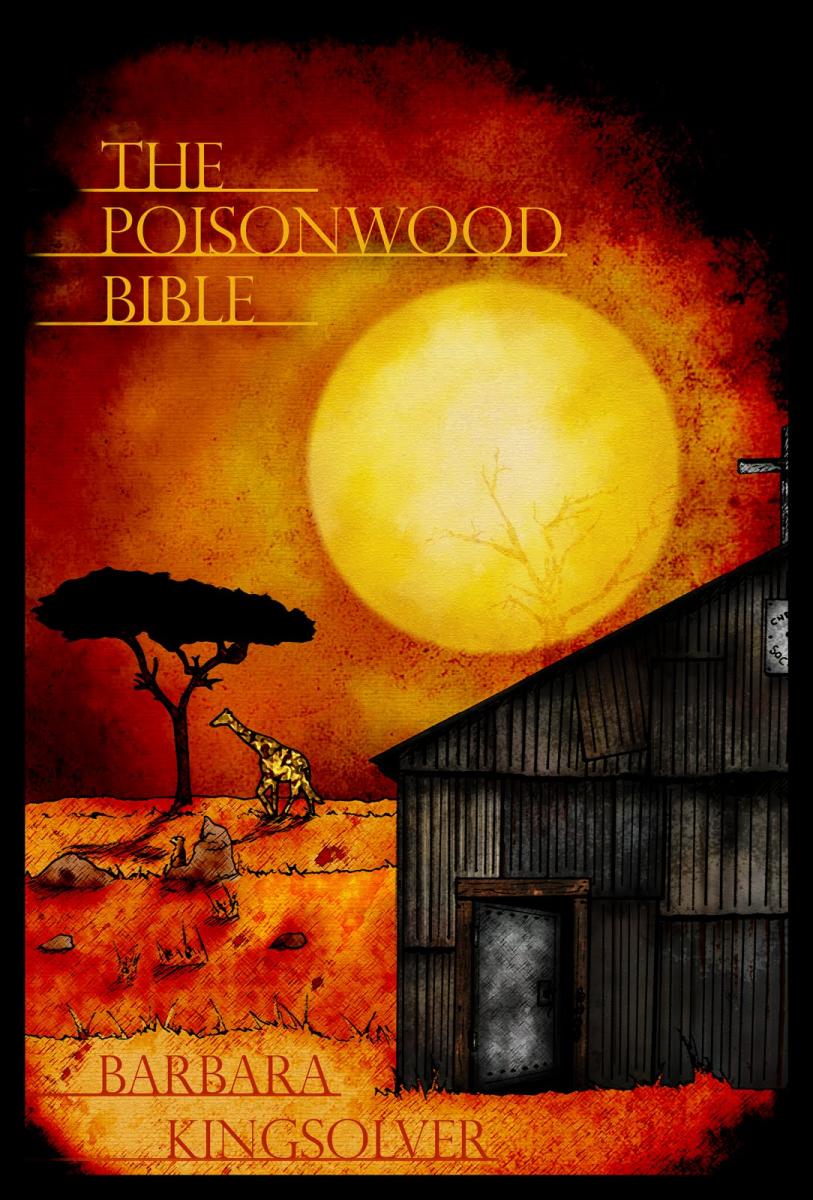
The Poisonwood Bible by Barbara Kingsolver (1998). Set in the Belgian Congo in 1959, it details Baptist preacher Nathan Price’s one-man campaign to convert African natives to Christianity in an unforgiving land. Kingsolver juxtaposes Nathan’s monomania with his wife Orleanna’s stoical solidarity with their four daughters, who react variously to their father’s missionary zeal and the culture it never manages to reach (much less transform), in this rich portrayal of American innocence and arrogance run amok.

Total Points: 6 (EDon 6)

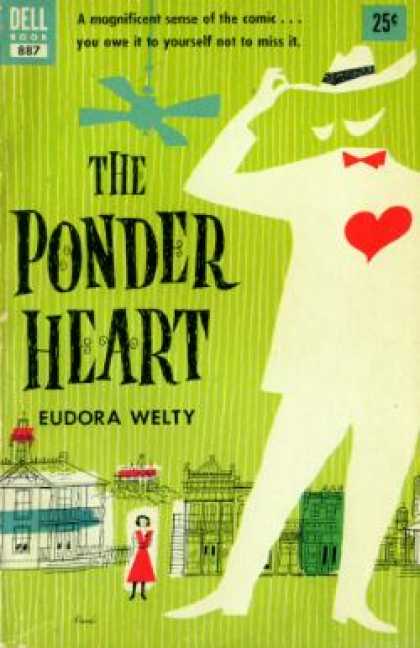
The Ponder Heart by Eudora Welty (1954). In this comic monologue filled with witty Southern colloquialisms and vivid images, Miss Edna Earle Ponder, who manages a hotel in a small Mississippi town, describes her family’s wonderfully peculiar history. Her story focuses on her uncle, the eccentric and irrepressible Daniel Ponder, whose poor marriages created as many problems as his generous heart.

Total Points: 6 (LKA 6)

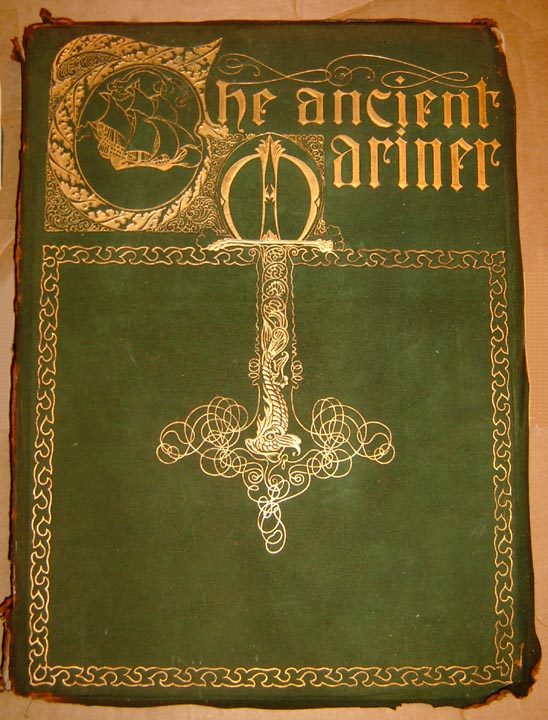
The Rime of the Ancient Mariner by Samuel Taylor Coleridge (1798). Intermingling the fantastic with the real, this long poem begins when a mariner with “long grey beard and glittering eye” asks a trio of wedding guests to hear his tale. One guest stays to learn how the mariner shot the albatross, considered an omen of good luck, and doomed his ship. Though saved from death, the mariner is condemned to walk the earth and tell his story, which may be read as a Christian allegory or as a warning against defiling nature.

Total Points: 6 (BAM 6)

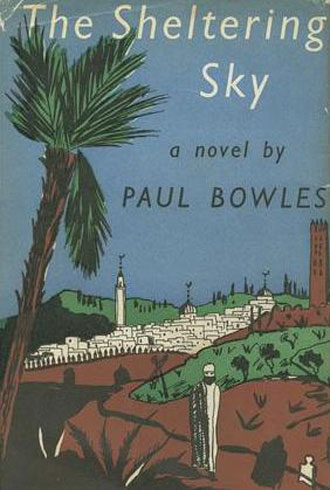
The Sheltering Sky by Paul Bowles (1949). This signature exploration of dislocation follows three young Americans—a married couple and their friend—journeying across the North African desert in search of deeper truths. As their surroundings become more foreign and forbidding, they become unmoored as their connection to the world, each other, and themselves unravels in this work of deep psychological acuity.

Total Points: 6 (DG 6)

The Towers of Trebizond by Rose Macaulay (1956). In the tradition of novels satirizing encounters between eccentric British characters and foreign cultures, Macaulay follows the efforts of four travelers to improve women’s rights, and spread the blessings of the Anglican church, in Turkey. The novel’s first half brims with sharp comic insights. The second half is far more meditative as it focuses on the character Laurie—a church-goer conducting an adulterous affair—who suffers a crisis of faith that becomes a profound spiritual journey.

Total Points: 6 (PCam 6)

Tropic of Cancer by Henry Miller (1934). Banned in America for twenty-seven years because it was considered obscene, this autobiographical novel describes the author’s hand-to-mouth existence in Paris during the early 1930s. A later inspiration to the Beat generation, Miller offers various philosophical interludes expressing his joy in life, hostility to social convention, and reverence for women and sex, which he describes with abandon.

Total Points: 6 (PCle 4) (JH 2)

Turtle Moon by Alice Hoffman (1992). This is the story of a divorced woman, her disillusioned teenage son, and the events that change their lives in ways both simple and extraordinary. When Keith Rosen runs away from his Florida home - inexplicably taking along a motherless baby - his mother is perplexed and terrified. She takes off on her own journey to find him. The novel follows their path, in a suspenseful and beautifully written story.

Total Points: 6 (JPico 6)

Waiting for Godot by Samuel Beckett (1953). Two vagabonds, Vladimir and Estragon, “blathering about nothing in particular,” provoke, challenge, and defend each other while they wait for the appearance of the mysterious Godot. Twice the tramps ponder hanging themselves from the branches of a nearby willow tree; twice they try to make sense of a stranger named Pozzo and his leashed servant Lucky. All the characters abide in a world peculiar for its absences: of meaning, rationality, consolation, and of course the slyly named Godot.

Total Points: 6 (KH 3) (VM 1) (GS 2)

Washington Square by Henry James (1880). James deeply admired Balzac. Here he pays homage to the Frenchman by recasting the novel Eugénie Grandet. The setting now is New York but the dynamic is the same: despite her father’s best, often cruel, efforts, an unexceptional, though wealthy young woman falls in love with a dashing fortune hunter. James leaves the reader to wonder which man hurt her worse: the father who told the truth or the lover who deceived her?

Total Points: 6 (MB 3) (LM 3)

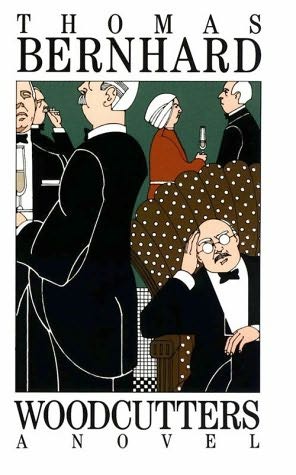
Woodcutters by Thomas Bernhard (1984). In this darkly humorous, hypnotically repetitious, stream of consciousness novel, an embittered and idealistic Austrian writer attends an “artistic” dinner party soon after the suicide of an old friend. With sharp psychological and emotional insight, Bernhard takes readers inside the mind of his narrator as he ruminates angrily on his hosts and their other guests, picking over his memories of his relationship with them and the dead woman.

Total Points: 6 (LMill 6)

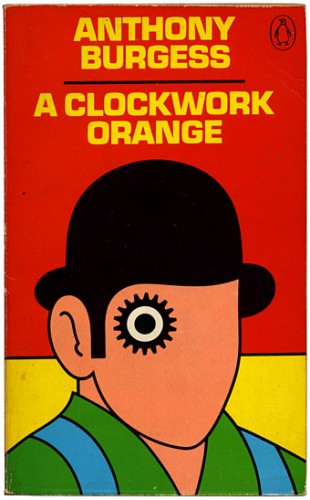
A Clockwork Orange by Anthony Burgess (1962). The linguistic virtuosity of this futuristic tale—told in nadsat, a russified English—lures us into an unwilling complicity in the drug-fueled bouts of ultraviolence committed by Alex and his droogs (comrades). While the book’s first part portrays these alienated sociopaths, the second part is an old-fashioned allegory: to win release from prison, Alex submits to behavior modification, trading his free will for freedom in this Cold War–era novel that protests against the intimate threat of totalitarian power.

Total Points: 5 (PE 5)

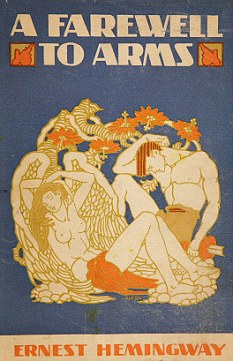
A Farewell to Arms by Ernest Hemingway (1929). Based on Hemingway’s experiences during World War I, this romantic tragedy recounts the story of Frederic Henry, an American volunteer in the Italian ambulance corps who meets and eventually falls in love with a maternal yet alluring English nurse, Catherine Barkley. Eventually, they abandon the war for neutral Switzerland—Frederic and Catherine have made “a separate peace”—though other dangers await in this story of commitment, individual choice, and the narrow line separating courage and hypocrisy.

Total Points: 5 (SV 5)

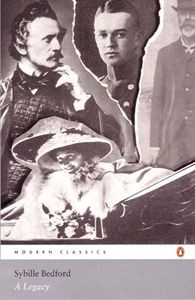
A Legacy by Sybille Bedford (1956).

Appreciation of Sybille Bedford’s A Legacy by David Leavitt

A Legacy, Sybille Bedford’s remarkable first novel, might most simply be described as the story of two houses. “One was outrageously large and ugly,” Bedford tells us in the opening paragraph; “the other was beautiful. They were a huge Wilhelminian town house in the old West of Berlin, built and inhabited by the parents of my father’s first wife, and a small seventeenth-century château and park in the South, near the Vosges, bought for my father by my mother.”

So Bedford sets us down, with remarkable velocity and confidence, right in the middle of the world to which she is going to devote the next 360 pages. This is the world of Germany before the Second World War. The owners of the Wilhelminian townhouse are Jews; the heroine’s father is a Catholic aristocrat living in a sort of splendid rural poverty. As she is “bundled to and fro” between these two houses, our narrator—a version of Bedford herself—describes for us not just the struggle of her own growing up, but the complex intermingling of three very different families, as well as the rumblings of social and political change that underlie and ultimately disrupt the domestic and marital dramas in which she is enmeshed.

Because Bedford published A Legacy in 1956, her knowledge of what was to come invests the novel with an air of fragility and foreboding. The prose is stunning; raised in a mire of European languages, Bedford clung to English as a life raft, and she shows her gratitude by employing her adopted language with a grace and agility to rival Henry James’s. Yet what is perhaps most astonishing about this astonishingly rich novel—more memorable, for me, even than E. M. Forster’s Howards End, the other great English novel about houses—is the deftness with which its author reconciles two literary virtues that in other hands might seem irreconcilable: intimacy and grandeur.

Total Points: 5 (DL 5)

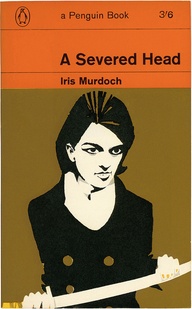
A Severed Head by Iris Murdoch (1961). Infused with Freudian theories—especially about male sexuality—and Jungian archetypes, this novel centers on a man who must search his soul and his mind after his wife leaves him for her psychoanalyst. With often dark, deadpan humor, Murdoch uses deception, adultery, and sex to address morality and responsibility, the nature of reality, and the power of the unconscious.

Total Points: 5 (AMH 5)

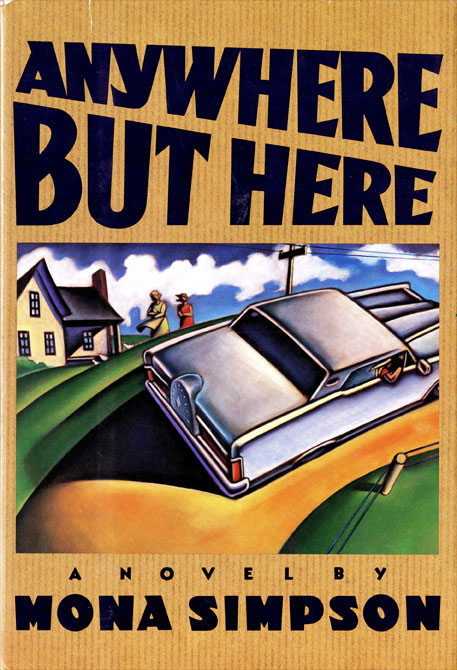
Anywhere but Here by Mona Simpson (1986). Carolyn Leavitt writes: “A manipulative mother intent on making her daughter a star, journeys with her from Wisconsin to California.  Along the way, she tries on different men for husband potential and struggles not to let the fantasy become too threadbare when some broad daylight is splashed upon it. Simpson’s book is a gripping portrayal of mother/daughter dynamics, but it’s also the story of a thwarted American dream and the thorny nature of family love and need.”

Total Points: 5 (CL 5)

Blithe Spirit by Noël Coward (1941). As the Nazis bore down on Britain, Coward filled London theaters with this gay and witty farce about death. The sublime silliness begins when a writer holds a séance to research his novel on a murderous fake psychic. Who should appear but his first wife, dead these six years and none too happy about wife number two.

Total Points: 5 (AT 5)

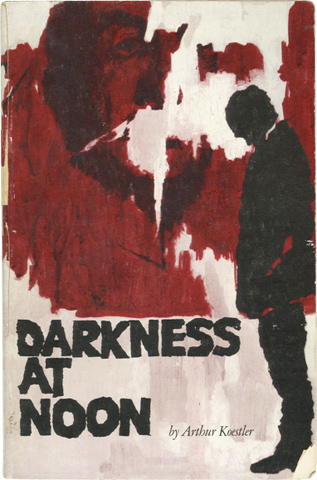
Darkness at Noon by Arthur Koestler (1940). An old Party member is arrested for treason in Stalin’s Russia. As his interrogators try to pry a false confession out of Rubashov, the state’s twisted logic—that Rubashov’s innocence, and his identity itself, are bourgeois luxuries compared to the task of preserving the revolution from exterior threats—is exposed in this novel, which deeply influenced how intellectuals in the West and dissidents in the East interpreted the Cold War experience.

Total Points: 5 (AF 5)

Image removed.Dawn by Octavia E. Butler (1987). Lilith Iyapo has just lost her husband and son when atomic fire consumes Earth—the last stage of the planet’s final war. Hundreds of years later Lilith awakes, deep in the hold of a massive alien spacecraft piloted by the Oankali—who arrived just in time to save humanity from extinction. They have kept Lilith and other survivors asleep for centuries, as they learned whatever they could about Earth. Now it is time for Lilith to lead them back to her home world, but life among the Oankali on the newly resettled planet will be nothing like it was before. For the first time since the nuclear holocaust, Earth will be inhabited. Grass will grow, animals will run, and people will learn to survive the planet’s untamed wilderness. But their children will not be human. Not exactly. This is the first noevl in Butler's acclaimed Lilith's Brood trilogy.

Total Points: 5 (JDíaz 5)

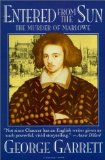
Death of the Fox (1971), The Succession (1983), and Entered from the Sun (1990), a trilogy by George Garrett. Packed with conspiracies, intrigues, bright language, and even more colorful characters, these novels enter the mind and mores of late Elizabethan and early Stuart England through dramatic events: Death of the Fox hinges on the rise, fall, and execution of Sir Walter Raleigh in 1618; The Succession re-creates the royal rivalries that surfaced as James I assumed the throne in 1603; Entered from the Sun focuses on the possible political implications of the murder of poet and playwright Christopher Marlowe in 1597.

Total Points: 5 (MSB 5)

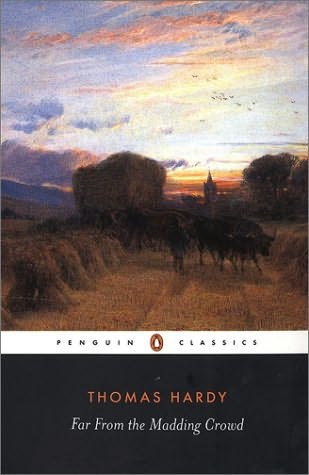
Far from the Madding Crowd by Thomas Hardy (1874). Set in his fictional Wessex countryside in southwest England, this novel was Hardy's breakthrough work. Though it was first published anonymously in 1874, its quick and tremendous success persuaded Hardy to give up his first profession, architecture, to concentrate on writing fiction. The story of the ill-fated passions of the beautiful Bathsheba Everdene and her three suitors offers a spectacle of country life brimming with an energy and charm not customarily associated with Hardy.

Total Points: 5 (MMCPH 5)

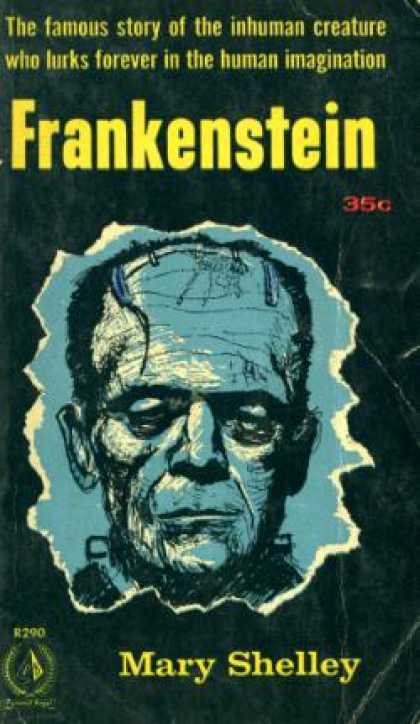
Frankenstein by Mary Shelley (1818). Readers should be grateful that Dr. Phil was not around in 1818. If he had been, Mary Shelley may have chosen to discuss her traumatic life with him. Instead, she turned trauma into art and wrote Frankenstein, in which the outcast Dr. Victor Frankenstein usurps God’s and woman’s life-giving power to create a monster who for all his desire cannot be loved. This novel about unwanted things is gripping, frightening, inspiring, and very different from the movies based on it.

Total Points: 5 (AB 5)

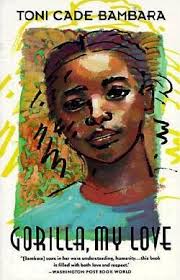
Gorilla, My Love by Toni Cade Bambara (1972). A feminist and civil rights activist, Bambara strove to create literature that reflected the experiences of black women, the strength of black communities from the urban North to the rural South, and the challenges they faced. Showcasing Bambara’s talent for transforming her social concerns into art, the fifteen stories in this collection feature sharp-tongued first-person narrators who draw on their charm, resolve, and compassion to triumph over—or at least make peace with—life’s obstacles.

Total Points: 5 (PCle 5)

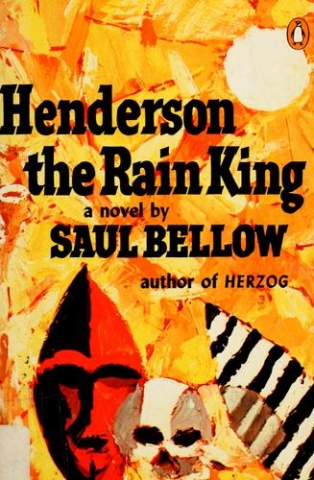
Henderson the Rain King by Saul Bellow (1956). Bellow’s characters often stumble along comic paths toward equilibrium, and none of the Nobel laureate’s creations is more rollicking than Eugene Henderson. A multimillionaire cut loose in Africa, Henderson is a portrait of human striving, with his battle cry: “I want, I want, I want.” We follow him off the beaten tourist path, watching him blow up a cistern filled with frogs, make friends with a lioness, and be crowned the Rain King after he seems to end a long drought. As always with Bellow, comedy is the handmaiden of an ultimate optimism. “I am a true adorer of life,” Henderson says, “and if I can’t reach as high as the face of it, I plant my kiss somewhere lower down.”

Total Points: 5 (EC 5)

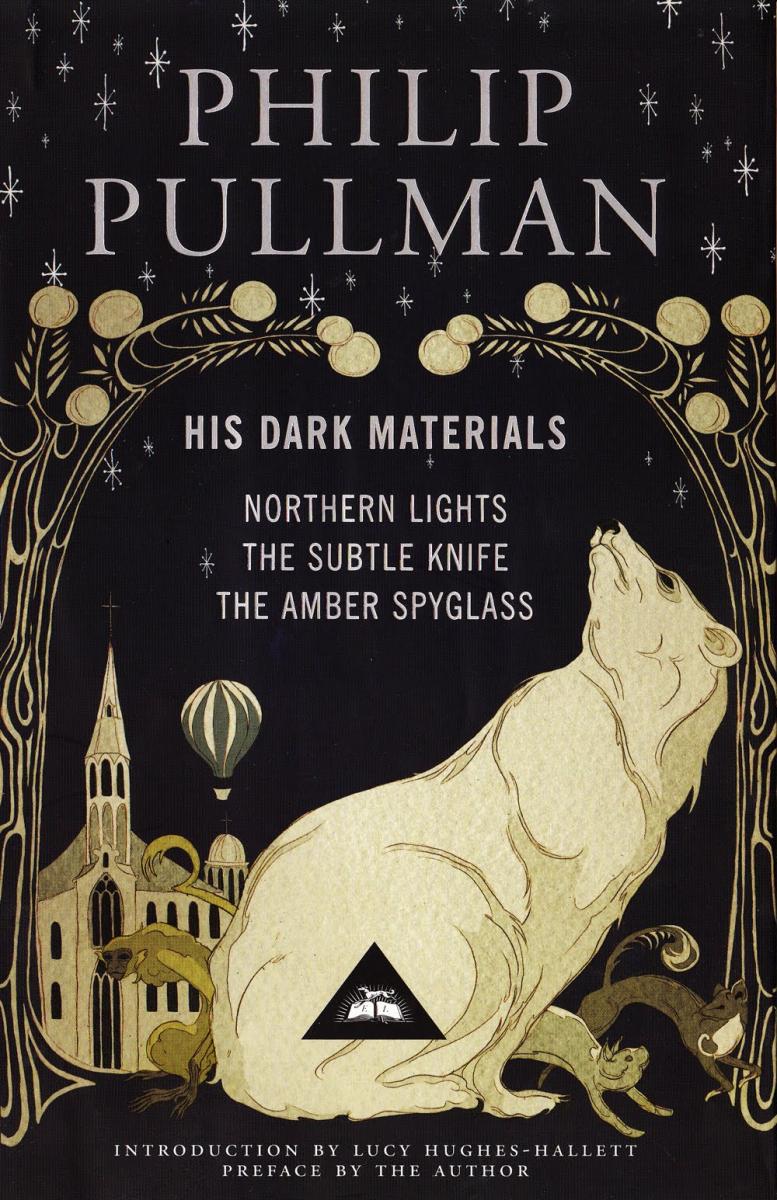
His Dark Materials by Philip Pullman (1995–2000). This epic trilogy, comprised of Northern Lights (a.k.a., The Golden Compass), The Subtle Knife, and The Amber Spyglass, reconceives Paradise Lost as an adventure/fantasy from an atheist, humanist perspective. Like Adam and Eve, Lyra and Will embrace knowledge. But for them it is the path to liberation, not damnation. In thrilling quests across magic universes filled with demons, angels, and talking animals, they battle “the Authority” that demands faith while repressing freedom.

Total Points: 5 (CD 5)