The List of Books


We awarded points for each selection – 10 points for a first place pick, nine points for a second place pick, and so on. Then we totaled up all the points and ranked them accordingly. Here are all the books ordered by the number of points each earned. In the parentheses are the initials of the authors that selected them and the points earned. Click on their initials to see their list. 

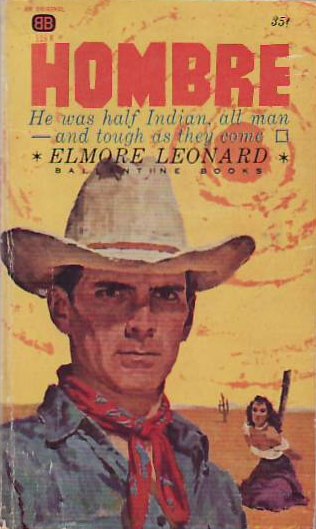
Hombre by Elmore Leonard (1961). Displaying his trademark ability to turn pulp into art, Leonard elevates the classic Western through the story of John Russell, a white man raised partly by Apache Indians who taught him how to fight and survive. The action begins when Russell boards a stagecoach and is rejected by passengers because of his roots. When outlaws pounce, the others turn to him for protection. Will he or won’t he? Leonard answers that question in this action-filled tale while probing Western myths, issues of race, and our responsibilities to our unlikable fellow man.

Total Points: 5 (GDG 5)

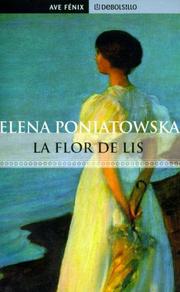
La Flor de Lis by Elena Poniatowska (1988).

Appreciation ofElena Poniatowska’s La Flor de Lis by Sandra Cisneros

The little hand serving me coffee is also the hand that wrote the exquisite novel La Flor de Lis (1988). It seems absurd a writer of such worth should bother serving coffee to anyone, but it’s precisely this humility, this willingness to serve others, whether it be coffee, or novels, or testimonies, or tamales, that makes Elena Poniatowska a writer as well loved by cab drivers as by professors. The title alludes to France, but if you’re hip to Mexico City, you’ll know La Flor de Lis is also the famous tamale restaurant in la colonia Condesa.

"La Flor de Lis" is a love story about mother and motherland, about love of México lindo y querido (pretty and best), a culture where mothers are revered as goddesses, and a goddess, la Virgen de Guadalupe, is revered because she is “the” mother.

It’s a fairy tale told in reverse. Daughters of royalty flee France under siege from World War Il, and in the course of their childhood and adolescence in Mexico, we witness the discovery of what it means to belong to a culture, what it means to fall in love, and what, after all, it means to be a woman, because the story is steeped in the body of a woman, in the body of that country.

Nowhere else have I read anyone describe the joy of scrubbing a courtyard with a bucket of suds and a broom. But it’s el zócalo, the central plaza of Mexico City that the narrator wants to scrub out of puro amor. And that ultimately sums up how a writer like Elenita became Elena Poniatowska. What we do for love, after all, is the greatest work we can do.

Total Points: 5 (SC 5)

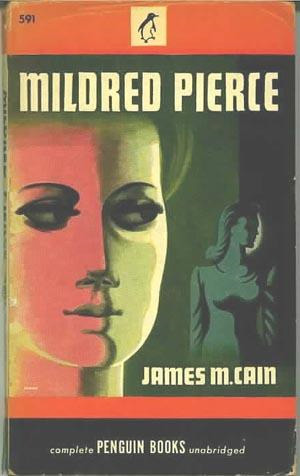
Mildred Pierce by James M. Cain (1941). After shedding her philandering, unemployed husband, Mildred Pierce works menial jobs to support her two children before discovering a gift for making and selling pies in Depression-era California. She’s a strong woman with two fatal flaws—an attraction to weak men and blind devotion to her monstrously selfish daughter Veda. These weaknesses join to form a perfect storm of betrayal and murder in this hard-boiled tale.

Total Points: 5 (JLB 4) (MCon 1)

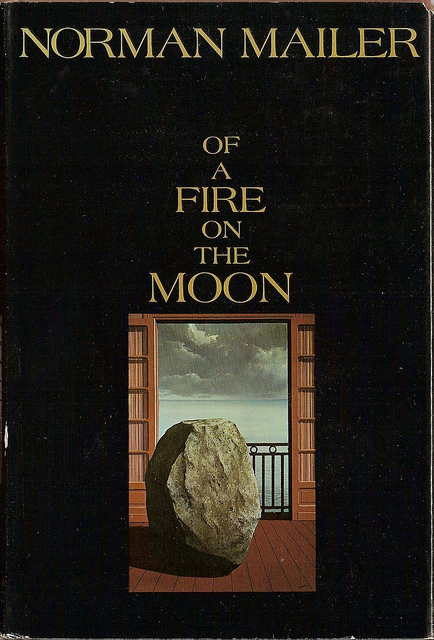
Of a Fire on the Moon by Norman Mailer (1971). For many, the moon landing was the defining event of the twentieth century. So it seems only fitting that Norman Mailer—the literary provocateur who altered the landscape of American nonfiction—wrote the most wide-ranging, far-seeing chronicle of the Apollo 11 mission. A classic chronicle of America’s reach for greatness in the midst of the Cold War, Of a Fire on the Moon compiles the reportage Mailer published between 1969 and 1970 in Life magazine: gripping firsthand dispatches from inside NASA’s clandestine operations in Houston and Cape Kennedy; technical insights into the magnitude of their awe-inspiring feat; and prescient meditations that place the event in human context as only Mailer could. Tom Bissell calls this Mailer’s “most neglected great book.”

Total Points: 5 (TBiss 5)

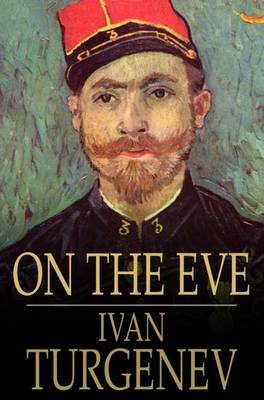
On the Eve by Ivan Turgenev (1860). Turgenev’s ur-themes of authenticity and humanism are highlighted in this tragic love story in which Elena Stahov, the novel’s passionate and do-gooding heroine, falls in love not with the suitor her father has picked for her, but with Dimitry Insarov, a Bulgarian revolutionary who blazes like a flame against the feckless upper-middle-class Russians that make up Elena’s other suitors.

Total Points: 5 (ES 5)

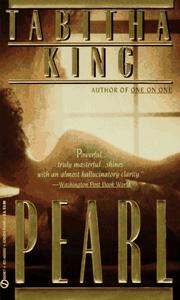
Pearl by Tabitha King (1988). A small inheritance brings Pearl Dickenson—a smart, resourceful, and independent African American woman—to rural Maine. She stays for the peace and security it seems to offer. She takes over a local diner and takes on two lovers, both of whom have troubled pasts. These liaisons turn to trouble, threatening Pearl and her community.

Total Points: 5 (JW 5)

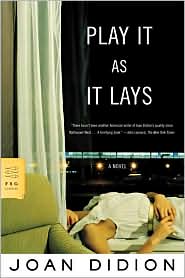
Play It as It Lays by Joan Didion (1970). So pared to the bone is Didion’s prose, so intimate her understanding of psychic pain, one pictures her writing not with a pen but a razor. In this stark novel of soulless Hollywood, Maria, once beautiful and prized, now gaunt and withdrawn, struggles to regain her footing after her mother’s death, her young daughter’s institutionalization, an illegal abortion, and a divorce. As Didion exposes with steely restraint the poisonous contempt accorded women, she turns Los Angeles’s death-defying expressways and the lethal desert beyond into stunning metaphors for alienation.

Total Points: 5 (DC 5)

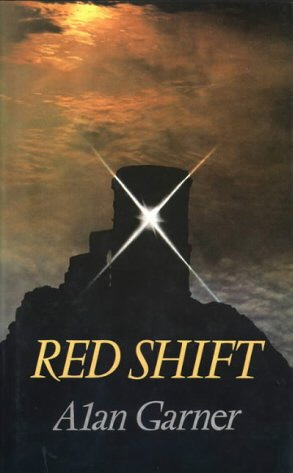
Red Shift by Alan Garner (1973). An ancient stone ax head connects the three young protagonists in this bleak science fiction novel set around Cheshire, England, during three time periods—the Roman Empire, the English Civil War, and the present day. Alienated from themselves and those they love, the three men—who share a similar name—feel the pull of a mystic force that they can’t quite fathom. Their experiences echo each other in this experimental tale told almost entirely in dialogue.

Total Points: 5 (EDon 5)

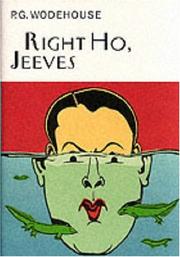
Right Ho, Jeeves by P. G. Wodehouse (1934). Including perhaps the funniest scene in the Wodehouse canon—Gussie Fink-Nottle’s drunken speech at the Market Snodsbury Grammar School—this madcap farce once again finds Bertie Wooster and his brilliant manservant Jeeves working to point Cupid’s arrows toward other hearts. Truth be told, newt-loving Gussie Fink-Nottle and droopy Madeline Basset belong together just as surely as Angela was made from Tuppy Glossop’s rib. After a series of gentle misunderstandings, Bertie and Jeeves may lift the scales from everyone’s eyes. Right ho!

Total Points: 5 (AGold 5)

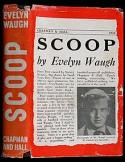
Image removed.Scoop by Evelyn Waugh (1938). This gloriously savage satire of the predatory, pack-like nature of London journalism drew on Waugh’s experience covering Italy’s invasion of Ethiopia for the Daily Mail during the 1930s. It chronicles the unlikely journalistic success of William Boot, a young man of genteel poverty who is mistakenly hired as a foreign correspondent for a London paper, the Daily Beast. Dispatched to the fictional African nation of Ishmaelia, where “a very promising little war” has commenced, Boot manages to scoop the competition despite his good-natured incompetence.

Total Points: 5 (WBoyd 5)

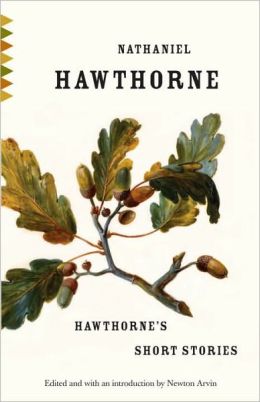
Stories of Nathaniel Hawthorne (1804–64). A child of the Romantic era, Hawthorne nonetheless remained haunted by his Puritan forefathers. Tales such as “Young Goodman Brown,” “My Kinsman, Major Molineux,” and “The Wives of the Dead,” are steeped in the subject matter and sensibility of colonial New England, and clouded by crime, sin, and persecution. He peoples them with Puritans, witches, American Indians, and revolutionaries, and narrates the fate of all with his trademark combination of lively Gothic fantasy and critical irreverence.

Total Points: 5 (HK 5)

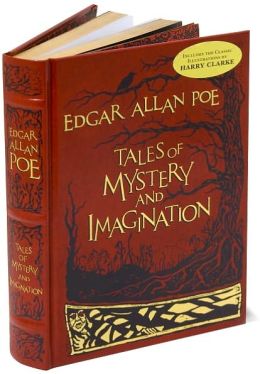
Tales of Mystery and Imagination by Edgar Allan Poe (1836–47). These pieces influenced almost every contemporary genre, from adventure stories (“The Narrative of A. Gordon Pym”) to amateur detective mysteries (“The Purloined Letter”) to lurid horror tales (“The Cask of Amontillado”). Poe’s fascination with psychology and the dark sides of human behavior jump-started the first great age of American fiction and, through his influence on French symbolists such as Baudelaire, helped to transform literature in the nineteenth century.

Total Points: 5 (MC 5)


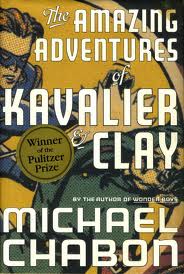
The Amazing Adventures of Kavalier & Clay by Michael Chabon (2000). The golden age of comics and the Holocaust power this Pulitzer Prize–winning saga about two Jewish cousins in Brooklyn who create the Nazi-bashing superhero, the Escapist. Through the tragic, comic, often superhuman adventures of Joe Kavalier—a refugee determined to rescue the relatives he left behind in Nazi-controlled Czechoslovakia—and Sammy Clay, Chabon weaves a lyrical and magical tale about war and mysticism; the connections between love, fear, hope, and art; and the nature of escape.

Total Points: 5 (DAD 4) (AWald 1)

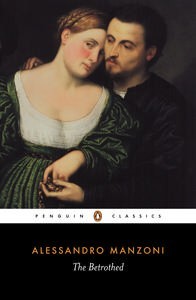
The Betrothed by Alessandro Manzoni (1827). Romeo and Juliet had nothing on Renzo and Lucia, whose union is threatened by famine, plagues, riots, and the Thirty Years’ War. A vibrant portrait of seventeenth-century Lombardy, this novel combines a Dickensian cast of characters with Sir Walter Scott’s flair for romance. It is also a deeply religious work whose tragedies raise profound questions about God’s will and whose ultimate message is one of faith.

Total Points: 5 (BU 5)

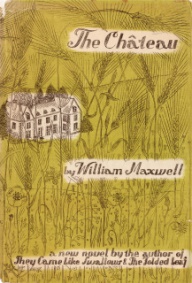
The Chateau by William Maxwell (1961). Plus ça change: Harold and Barbara Rhodes, a young American couple, expect smiles and bouquets from their liberated hosts as they vacation in France soon after the end of World War II. Instead, they find—surprise!—European chilliness and inscrutability. While this novel’s situation comes straight from Henry James, its language and sensibility—deep empathy and a sense of lost worlds that is not the least bit nostalgic—is pure Maxwell.

Total Points: 5 (PCam 5)

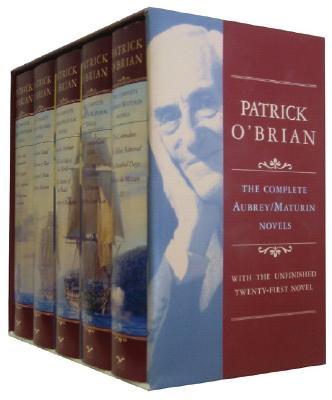
The Complete Aubrey/Maturin novels by Patrick O’Brian (1914-200). Set in the Royal Navy during the Napoleonic Wars, O'Brian's twenty-volume series centers on the enduring friendship between naval officer Jack Aubrey and physician (and spy) Stephen Maturin. Though they play with embellish historical events, the books proceed in chronological order – rich in period detail and language, as well as dry wit. The first novel, “The Master and the Commander” (1969), is set in 1800; the final novel, “Blue at Mizzen” (1999) is set after the Battle of Waterloo in 1815. The series also includes a posthumously published, uncompleted work, “The Final Unfinished Voyage of Jack Aubrey” (2004).

Total Points: 5 (MM 5)

The Count of Monte Cristo by Alexandre Dumas (1844). The fastest fifteen hundred pages in world literature begins on the wedding day of Edmond Dantès, when he is falsely accused of treason. He is condemned to a remote prison where he finds out who framed him and about a treasure hidden on the Island of Monte Cristo. After fourteen years he escapes, finds the fortune, and returns to Paris where he dazzles the swells while seeking revenge on his enemies.

Total Points: 5 (ST 5)

The Custom of the Country by Edith Wharton (1913). A sharp critique of the limits society placed on women and the empty dreams it manufactured for them, this novel tells the story of Undine Spragg, a relentless social climber who will attach herself to any man to raise her station. Her ambition and her unquenchable need for prestige and flattery blinds her to the strengths of these men, whom she injures, and to her own humanity, which she surrenders.

Total Points: 5 (JBarn 5)

The Europeans by Henry James (1878). After the dissolution of her marriage to a German prince, Eugenia Munster and her artist brother Felix visit their wealthy relatives in the countryside near Boston. Felix’s easy sophistication and Eugenia’s fierce independence contrast with the pious Yankee values of their hosts in this sparkling novel of romantic intrigues that depicts the clash between European and American cultures and values.

Total Points: 5 (AMS 5)

The Folded Leaf by William Maxwell (1945). This is the serenely observed yet deeply moving story of two boys finding one another in the Midwest of the 1920s, when childhood lasted longer than it does today and even adults were more innocent of what life could bring.

Total Points: 5 (EF 5)

The Life of Pi by Yann Martel (2001). The son of a zookeeper, Pi Patel has an encyclopedic knowledge of animal behavior and a fervent love of stories. When Pi is sixteen, his family emigrates from India to North America aboard a Japanese cargo ship, along with their zoo animals bound for new homes. The ship sinks. Pi finds himself alone in a lifeboat, his only companions a hyena, an orangutan, a wounded zebra, and Richard Parker, a 450-pound Bengal tiger. Soon the tiger has dispatched all but Pi, whose fear, knowledge, and cunning allow him to coexist with Richard Parker for 227 days while lost at sea. When they finally reach the coast of Mexico, Richard Parker flees to the jungle, never to be seen again. The Japanese authorities who interrogate Pi refuse to believe his story and press him to tell them "the truth." After hours of coercion, Pi tells a second story, a story much less fantastical, much more conventional - but is it more true?

Total Points: 5 (JPico 5)

The Love Song of J. Alfred Prufrock by T. S. Eliot (1915). Eliot’s first major poem is a dramatic monologue in the voice of a spiritually exhausted, emotionally sterile Everyman. Prufock has “measured out my life with coffee spoons.” He tells himself “There will be time to murder and create,” though he fears to act—“Do I dare to eat a peach?” Prufrock was only the first of Eliot’s many disillusioned city dwellers, but with his ridiculous name and fastidious appearance, he may well have been the most poignant.

Total Points: 5 (RBP 5)

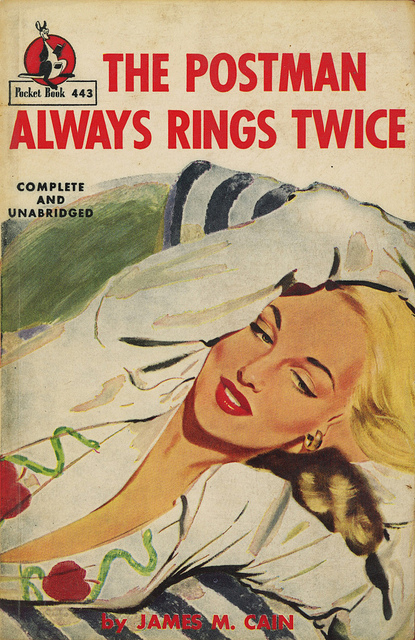
The Postman Always Rings Twice by James M. Cain (1934). When a drifter enters her roadside diner, a sexy young woman imagines a new life. Together they plot the murder of her boorish husband in this noir classic, in which spare prose and desperate characters raise dime-store pulp to an art form.

Total Points: 5 (WK 5)

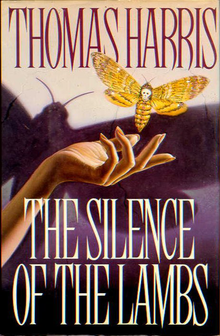
The Silence of the Lambs by Thomas Harris (1988). Dr. Hannibal “the Cannibal” Lecter is a deranged serial killer and a brilliant psychiatrist—who better to help the FBI profile psychos like Buffalo Bill, who loves peeling the skin off his lovely young victims? So the Bureau dispatches Clarice Starling, a smart, charming, slightly vulnerable agent, to Lecter’s prison cell. While playing mind games with Clarice, Lecter provides her with strange but telling clues, which she pursues against her superiors’ wishes and the clock ticking out the seconds for Buffalo Bill’s next victim.

Total Points: 5 (DFW 5)

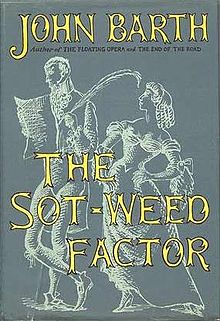
The Sot-Weed Factor by John Barth (1960). Digressions, asides, and stories within stories fill this bawdy, raucous parody of eighteenth-century fiction that reimagines the life of Ebenezer Cooke, who wrote a satirical poem titled The Sot-Weed Factor in 1708. Overseeing his father’s Maryland tobacco plantation, Cooke tries to defend his prized virginity against women and men, while extricating himself from intrigues and counter-intrigues. Language sizzles in this Rabelasian tale that includes one of the longest lists of insults ever committed to paper.

Total Points: 5 (DH 5)

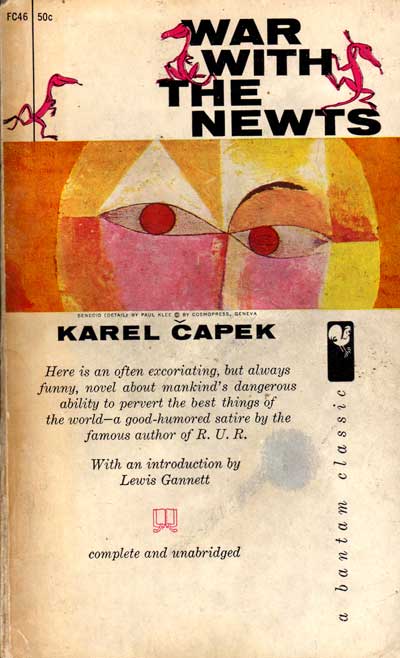
The War with the Newts by Karel Capek (1936). This prescient and humorous Czech novel—part allegory, part satire, part science fiction romp—begins with the discovery of a new species of giant newt by a sea captain in an obscure tropical bay. Initially exploited for their pearl-harvesting abilities, the newts become the objects of scientific experimentation and then a massive global slave trade before they rise up and revolt, bringing humanity to its knees.

Total Points: 5 (LMill 5)

White Noise by Don DeLillo (1985). Professor Jack Gladney teaches Hitler studies at the local college and trawls through the tabloid mall of American culture with his pill-popping fourth wife and their four preternaturally knowing children. Then an accident near their town generates a huge poisonous cloud—“an airborne toxic event”—and disrupts their uneasy idyll. This apocalyptic cult classic amusingly and then chillingly captures how media culture has become not just our atmosphere but our food and oxygen.

Total Points: 5 (TCB 5)

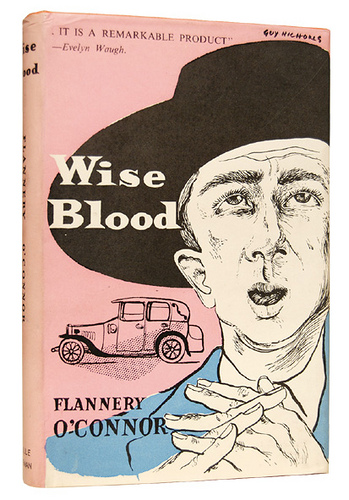
Wise Blood by Flannery O’Connor (1952). O’Connor’s astonishing and haunting first novel of redemption, retribution, false prophets, blindness, blindings, and wisdom is the story of Hazel Motes, a twenty-two-year-old caught in an unending struggle against his inborn, desperate fate. He falls under the spell of a “blind” street preacher named Asa Hawks and his degenerate fifteen-year-old daughter, Sabbath Lily. In an ironic, malicious gesture of his own non-faith, and to prove himself a greater cynic than Hawks, Motes founds the Church Without Christ, but is still thwarted in his efforts to lose God. He meets Enoch Emery, a young man with “wise blood,” who leads him to a mummified holy child and whose crazy maneuvers are a manifestation of Motes’s existential struggles. Tom LeClair writes: “Like Gravity’s Rainbow, Wise Blood is a novel to fear for me.  Fear and laugh at for O’Connor’s witty satire and low comedy.”

Total Points: 5 (TLeClair 5)

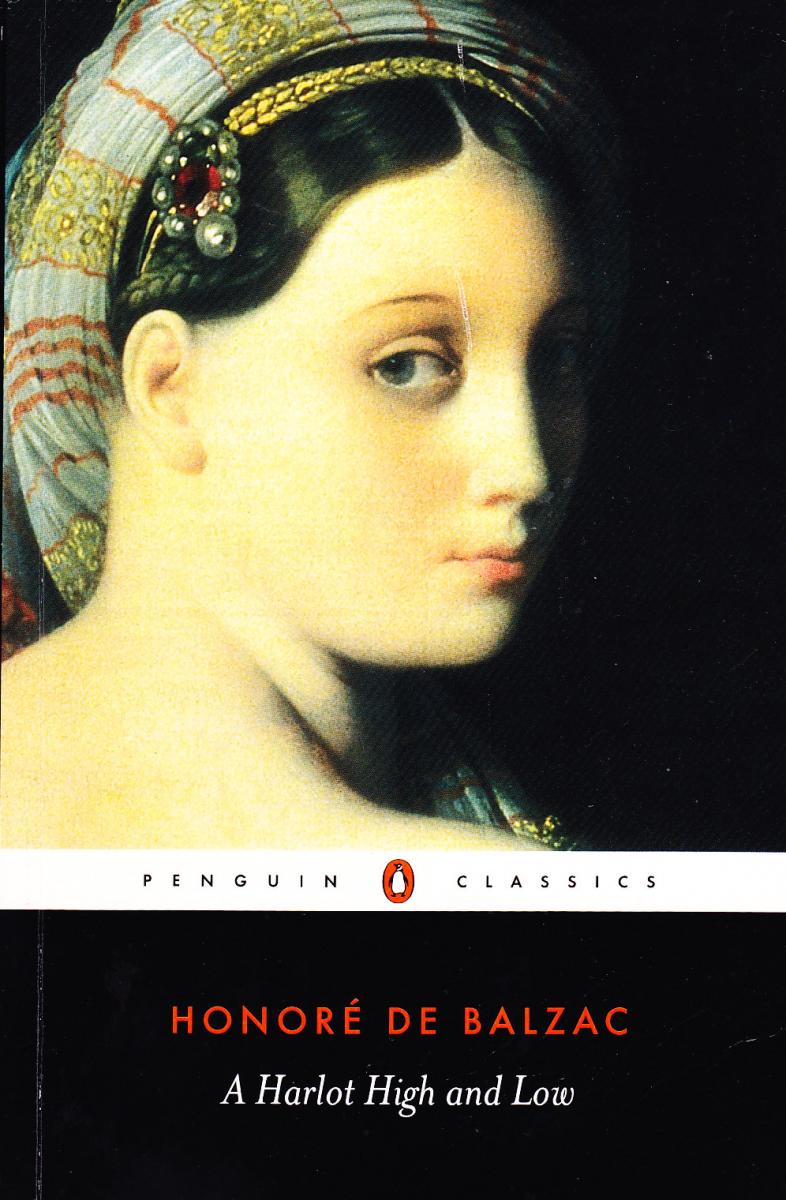
A Harlot High and Low by Honoré de Balzac (1847). Balzac claimed a crime lay behind every great fortune. Here his master criminal from Père Goriot, Vautrin, tests that hypothesis by orchestrating the rise of the poet, dandy, and social parasite Lucien de Rubempré. Vautrin is in love with him. So is Esther, a reformed prostitute. Vautrin counts on Esther’s feelings as the linchpin of his complex scheme. But love turns out to be one of life’s incalculables in this central novel in Balzac’s series, The Human Comedy.

Total Points: 4 (IP 4)

A Heart So White by Javier Marías (1994). Juan knows only this about his shady, twice-widowed father: before marrying Juan’s mother, he had wed her older sister, who committed suicide shortly after the ceremony. As Juan’s new wife becomes his father’s confessor, eliciting troubling truths, his own experiences begin to mirror those of his father in this Spanish novel that recalls the work of Henry James, Marcel Proust, and Thomas Bernhard.

Total Points: 4 (VV 1) (RW 3)

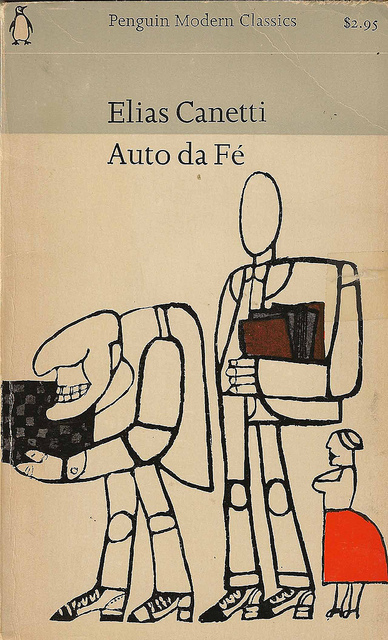
Auto-da-Fé by Elias Canetti (1935). Peter Kien, an obsessive collector who only feels comfortable in his world of books, is tricked into marriage by his conniving and much older housekeeper. Soon she forces him out of his own home and into the streets, where Kien spirals into madness, plotting how to save his books from his wife and employing a desperate chess-playing dwarf to help him “carry” his invisible library around with him.

Total Points: 4 (LMill 4)

Borderlands/La Frontera by Gloria Anzaldúa (1999). The author uses poetry and prose—mythology, history, memoir—in this passionate account of two types of borders. The first is the physical one between Texas and Mexico. The second is psychological, mapping borderlands defined by sex, race, class, culture, and religion. She is particularly interested in intersections, “where the space between two individuals shrinks with intimacy.”

Total Points: 4 (SC 4)

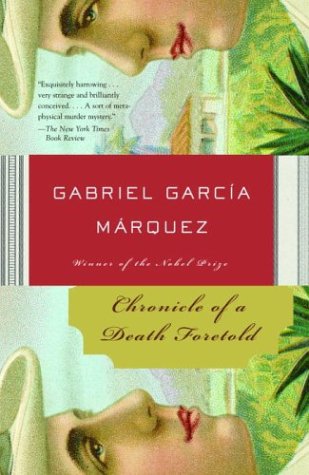
Chronicle of a Death Foretold by Gabriel García Márquez (1983). Everyone knows that Santiago Nasar will be murdered by Pedro and Pablo Vicario when the bishop comes to bless their sister’s marriage. The story of Nasar’s last hours is recounted by his cousin, a reporter who returns to the small South American town twenty-seven years later to find out what happened. This quick but densely packed novella looks at how honor and ritual contribute to an entire community’s culpability in a single crime.

Total Points: 4 (TCB 4)

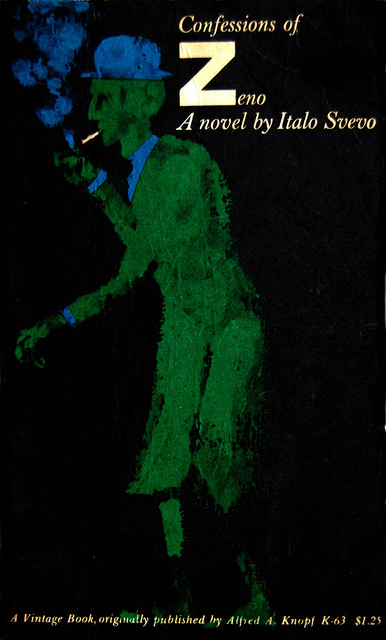
Confessions of Zeno by Italo Svevo (1923). Hypochondriac, philanderer, dilettante, neurotic, and raconteur, Zeno is a hyperconscious modern man. His subversive memoirs, ostensibly undertaken as a psychoanalytic “cure,” relate youth, courtship, marriage, affairs, and business misadventures with a disarming blend of frankness and humbug. A savagely funny work about addiction, and fiction’s juiciest raspberry at psychoanalysis, Confessions of Zeno embraces his sickness and vices as his irreducible humanity.

Total Points: 4 (CM 4)

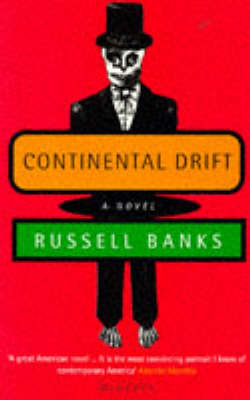
Continental Drift by Russell Banks (1985). Working-class New Hampshirite Bob Dubois flees his existence as an oil burner repairman for what he assumes will be a warmer future in Florida. Not far from his new home, but in another social universe, Vanise Dorsinvilles undergoes a much more brutal journey to the sunshine state from her native Haiti. How their fates intertwine is at the heart of this story of the tenuousness of class, fate, and opportunity in a harsh country.

Total Points: 4 (MSB 4)

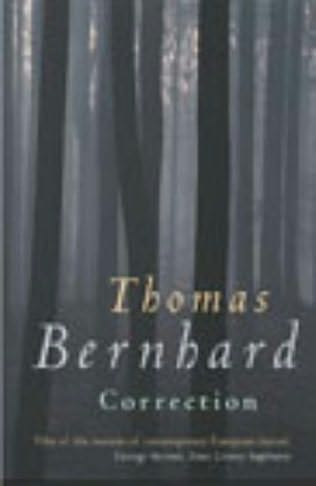
Correction by Thomas Bernhard (1975). This dense philosophic novel consisting of two long paragraphs begins with the suicide of an Austrian scientist named Roithamer. As his childhood friend (and our nameless narrator) remembers him and sorts through his papers, we learn about an unhappy man who built a protective Cone in a local forest to provide his sister “supreme happiness.” Instead it leads to her death. Roithamer’s papers are defined by incessant revisions; his “corrections” deny all that came before; his last act emerges as his final correction.

Total Points: 4 (BM 4)

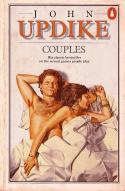
Image removed.Couples by John Updike (1968). One of the signature novels of the American 1960s, this novel scandalized the public with prose pictures of the way people pushed the limits of their newfound freedom in the “post-Pill paradise” by chronicling the interactions of ten young married couples in a seaside New England community who make a cult of sex and of themselves. This group of acquaintances form a magical circle, complete with ritualistic games, religious substitutions, a priest (Freddy Thorne), and a scapegoat (Piet Hanema). As with most American utopias, this one’s existence is brief and unsustainable, but the “imaginative quest” that inspires its creation is eternal.

Total Points: 4 (WBoyd 4)

Dom Casmurro by Joaquim Maria Machado de Assis (1899).

Appreciation of Joaquim Maria Machado de Assis’s Dom Casmurro by Michael Griffith

In 1878, nearing forty and afflicted by epilepsy and rickets, Machado, a successful but conventional Brazilian romancier, withdrew from Rio to convalesce. He returned not only rejuvenated but transformed; in coming decades he would write, among other works, three classic novels: Posthumous Memoirs of Brás Cubas, Philosopher or Dog?, and Dom Casmurro.

Dom Casmurro (“Lord Taciturn”) is Bento Santiago, an affluent old man undone by jealousy. He believes that his wife, Capitu, betrayed him; his friend Escobar must be the real sire of Bento’s son. Yet what’s most remarkable here is not the story but the storytelling. There’s its fragmented form (148 chapters in scarcely 250 pages); there’s Machado’s mixture of scathing satire with empathy for his narrator, whose autobiography is part legal brief, part cri de coeur, part special pleading, even (covertly, poignantly) part mea culpa. But Machado’s signal feat is his pioneering handling of unreliable narration.

Though Bento prosecutes his case zealously, his evidence boils down to the oft-repeated fact that Capitu has “eyes like the tide.” Bento may be deluded, even reprehensible, but we are not allowed to laugh at him, to think ourselves superior. He’s like us. And if every narrator is subject to similar blindness and self-pity, how to trust anyone? The question would loom large in twentieth-century literature.

The reader, too, is implicated. Bento writes, “[E]verything is to be found outside a book that has gaps, gentle reader. This is the way I fill in other men’s lacunae; in the same way you may fill in mine.” Reader, jury, do with me what you will. Machado admits into his text radical postmodern ambiguity, years before its heyday, for what book does not have gaps, is not made up of gaps?

Allusive, psychologically penetrating, politically charged, darkly funny, Dom Casmurro links Sterne to Barthelme, Flaubert to Nabokov, and remains startlingly fresh.

Total Points: 4 (MGri 4)
Don’t Let’s Go to the Dogs Tonight by Alexandra Fuller (2001). When Fuller was a toddler in 1972, her loving, resilient, no-nonsense parents moved their family from England to Rhodesia (now Zimbabwe) just as the indigenous peoples were rising up against their colonial rulers. This affectionate but unflinching memoir recounts the hardships and violence her family endured while farming in this poor land—three of her four siblings perished there—as well as the racism that infected her family and the segregation that strangled her community.

Total Points: 4 (AS 4)

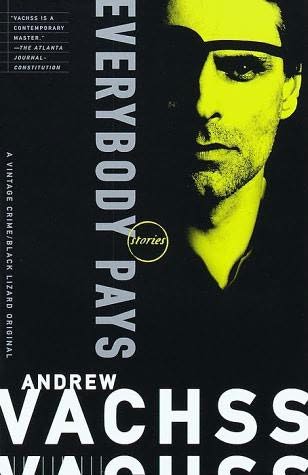
Everybody Pays by Andrew Vachss (1999). A master of the amped-up, neonoir style, whose work reflects a deep concern with child abuse and a taste for raw vengeance, Vachss offers here forty-four stomach-churning stories featuring prostitutes and pederasts, neo-Nazis and savage punks, hit men and kidnappers, who inhabit a world where merciless street justice provides the only brake on evil.

Total Points: 4 (JW 4)

Fight Club by Chuck Palahniuk (1996). An aimless insomniac, who makes his living helping an insurance company avoid paying valid claims, relieves his boredom by attending therapy groups for people suffering from deadly illnesses. His life takes a deadly turn when he and a friend start a fight club, where men gather to beat one another senseless. Soon anarchy is loosed upon the world, including a terrorist attack on the world’s tallest building, in this testosterone-fueled novel rippling with nihilistic irony and dark humor.

Total Points: 4 (DC 4)

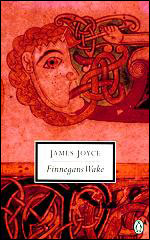
Finnegans Wake by James Joyce (1939). In H. C. Earwicker’s dream, he is seen exposing himself in Dublin’s Phoenix Park and thrown in jail. This dream is Joyce’s famously impenetrable book, whose first sentence is a continuation of the last (making it, technically, impossible to begin or end). Joyce chronicles Earwicker’s dream—which is at once his sexual fantasy, a universal history, and a history of Ireland—in a punning variant of English that must be read out loud to be appreciated (or understood). This novel is surely the mad orphan of literature.

Total Points: 4 (FC 4)

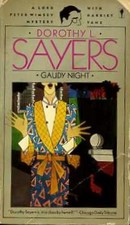
Gaudy Night by Dorothy L. Sayers (1935). Sayers is considered one of the premier detective novelist of the Golden Age, and her dashing sleuth, Lord Peter Wimsey, one of mystery fiction’s most enduring and endearing protagonists. This novel features another of her creations, mystery writer Harriet Vane. In this novel takes Vane and her paramour, Lord Peter, to Oxford University, Harriet’s alma mater, for a reunion, only to find themselves the targets of a nightmare of harassment and mysterious, murderous threats.

Total Points: 4 (AO 4)

How German Is It by Walter Abish (1980). Abish wields not pen, but scalpel, vivisecting Germany’s cult of appearances and culture of denial. His protagonist is Ulrich, whose father was executed for plotting against Hitler. Ulrich—a cipher who married, conspired with, and has now informed on a left-wing terrorist—has returned to his fatherland after a long absence to seek his estranged wife and his own true paternity and patrimony. With the discovery of a mass grave and the descent of his model citizen brother into debauchery and thuggery, Ulrich sees the residue of prewar Germany in the postwar world.

(HJ 4)

In Cold Blood by Truman Capote (1966). On November 15, 1959, in the small town of Holcomb, Kansas, four members of the Clutter family were savagely murdered by blasts from a shotgun held a few inches from their faces. There was no apparent motive for the crime, and there were almost no clues. As Truman Capote reconstructs the murder and the investigation that led to the capture, trial, and execution of the killers, he generates both mesmerizing suspense and astonishing empathy. In Cold Blood yields poignant insights into the nature of American violence through a detached yet penetrating account of the savage and senseless murder of a family.

Total Points: 4 (CBollen 4)

Les Liaisons Dangereuses by Pierre Choderlos de Laclos (1782). A candidate for “most cynical fiction ever penned,” the story features two charming but depraved aristocrats, the Marquise de Merteuil and the Vicomte de Valmont, who try to relieve their boredom by plotting the seduction of a young virgin and a virtuous wife. Glittering like Milton’s Satan against the pallid ranks of the virtuous, they skillfully seduce the reader through the urbanely immoral philosophy they detail in letters to each other in this wicked satire of the Age of Reason.

Total Points: 4 (EDon 4)

Lonesome Dove by Larry McMurtry (1985). Memorable characters (including prostitutes, outlaws, heroes, and Indians) grace this Pulitzer Prize–winning novel that examines the myths and reality of the American West through the story of two men driving cattle from Texas to Montana. As Augustus McCrae and W. F. Call undertake their adventure-filled journey, McMurtry debunks innumerable legends while suffusing his complex protagonists with the rugged dignity and loyalty of cowboy lore.

Total Points: 4 (AGold 4)

Mansfield Park by Jane Austen (1814). Fanny Price is the least loved of Austen’s heroines: “prig” is a common complaint of her critics. It’s true that reticent, unsure Fanny Price, sent to live with her cold, wealthy relatives, lacks the Austen spunk. She doesn’t offer witticisms but recoils in horror at her cousins’ display of vices, including amorous behavior, sexual jealousy, and unbridled snobbery. Her passivity can grow wearing. But Fanny enables Austen to craft her darkest work, which asks: What happens when a good soul finds itself trapped in an immoral world?

Total Points: 4 (SM 4)

Men at Arms by Evelyn Waugh (1952). Meet Guy Crouchback, a 35-year-old divorced Catholic. Though the armed services really don't want him, he manfully succeeds in joining the Royal Corps of Halberdiers during World War II. There he meets Apthorpe, an eccentric African who is devoted to his “thunderbox” (aka chemical closet). Together they make quite a team. This is the first book in Waugh’s “Swords of Honour” trilogy which explores war, religion and politics. It is followed by Officers and Gentlemen (1955) and Unconditional Surrender (1961).

Total Points: 4 (IWelsh 4)

Night by Elie Wiesel (1958). In this harrowing memoir of the Holocaust, Wiesel describes his journey from a religious Jewish childhood in Hungary to the Nazi concentration camps. Subsisting on bread and soup, forced to watch prisoner executions, the fifteen-year-old narrator struggles to support his father, who eventually dies one night in the cot below his. Ultimately freed by American soldiers, he is scarred by images that “consumed my faith forever” and “turned my life into one long night.”

Total Points: 4 (ED 4)