The List of Books


We awarded points for each selection – 10 points for a first place pick, nine points for a second place pick, and so on. Then we totaled up all the points and ranked them accordingly. Here are all the books ordered by the number of points each earned. In the parentheses are the initials of the authors that selected them and the points earned. Click on their initials to see their list. 

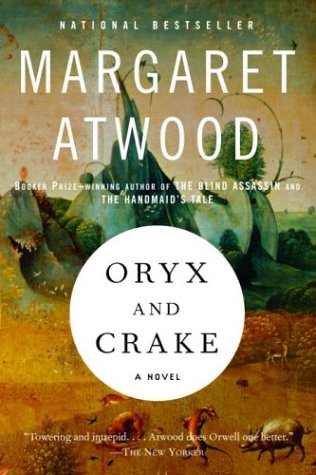
Oryx and Crake by Margaret Atwood (2003). In this richly imagined speculative novel spiked with doomsday humor, Atwood envisions a world where our hubris, obsessions with technology and profit, and environmental abuse result in hell on earth. As her rueful narrator, Snowman, struggles to survive in a harsh postapocalyptic world, he becomes a reluctant guru for a bioengineered tribe of innocents (created by the mad genius, Crake), recalls his ruthlessly competitive lost world, and asks: What does it mean to be human?

Total Points: 4 (GDG 4)
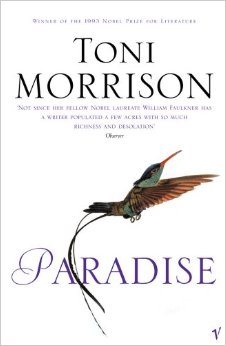
Paradise by Toni Morrison (1997). “They shoot the white girl first. With the rest they can take their time.” So begins Paradise, which opens with a horrifying scene of mass violence and chronicles its genesis in an all-black small town in rural Oklahoma. Founded by the descendants of freed slaves and survivors in exodus from a hostile world, the patriarchal community of Ruby is built on righteousness, rigidly enforced moral law, and fear. But seventeen miles away, another group of exiles has gathered in a promised land of their own. And it is upon these women in flight from death and despair that nine male citizens of Ruby will lay their pain, their terror, and their murderous rage. In prose that soars with the rhythms, grandeur, and tragic arc of an epic poem, Toni Morrison challenges fiercely held beliefs as she weaves folklore and history, memory and myth into a meditation on race, religion, gender, and a far-off past that is ever present. 

Total Points: 4 (TLeClair 4)


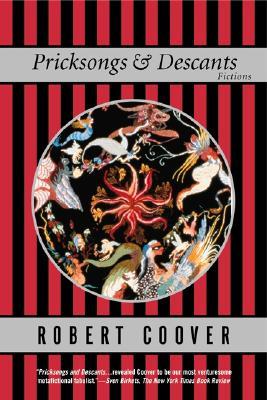
Pricksongs & Descants by Robert Coover (1969). The story lies in the telling in this groundbreaking collection of metafictions. Through rich, playful language, Coover reimagines traditional tales, including Hansel and Gretel, Little Red Riding Hood, and the Virgin birth. In stories such as “The Elevator” and “The Babysitter,” he makes the familiar surprising, suggesting that there is always another (and another and another) way of looking at things.

Total Points: 4 (KA 4)

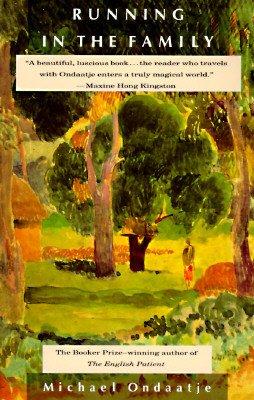
Running in the Family by Michael Ondaatje (1982). In the late 1970s Ondaatje returned to his native island of Sri Lanka. As he records his journey through the drug-like heat and intoxicating fragrances of that "pendant off the ear of India, " Ondaatje simultaneously retraces the baroque mythology of his Dutch-Ceylonese family in this inspired travel narrative and family memoir.

Total Points: 4 (TJ 4)

Save Me the Waltz by Zelda Fitzgerald (1934). Carolyn Leavitt writes: “No, it isn’t really great literature, but you’ll never read anything so raw and honest and feverish. Of course, Zelda is not as talented as her husband. She’s way too in love with strings of adverbs and adjectives, and her story is like a funhouse mirror, but “Save Me the Waltz” unveils the story of Zelda’s life that her husband plundered for his own work. It’s heartbreakingly sad even though it means to be a glamorous tale of a flapper/ballerina, and it gives a window into a tormented and talented woman who was never allowed to fulfill her own great expectations.”

Total Points: 4 (CL 4)

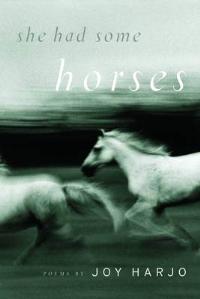
She Had Some Horses by Joy Harjo (1983). Harjo is a celebrated Native American writer whose poetry often explores the connection between ancient traditions and the modern world. This collection of rhythmic, free-form poems searches for meaning in a mythic, mysterious world and for survival strategies in an often harsh landscape.

Total Points: 4 (SA 4)

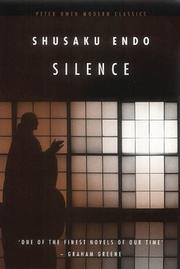
Silence by Shusaku Endo (1969). Set during the early seventeenth century, when Japanese Christians and the European priests serving them were persecuted and forced to renounce their faith, this novel focuses on a Portuguese priest whose travails force him to ponder “the silence of God . . . the feeling that while men raise their voices in anguish God remains with folded arms, silent.”

Total Points: 4 (HaJ 4)

Stories of Grace Paley (1922– ). Paley’s political beliefs inform her stories, but she never writes cant. Her Greenwich Village surroundings infuse her work, making New York City seem like a small town. Her stories of what she calls “everyday life, kitchen life”—of frustrated wives, knife-wielding children, and cold men—are written in the freshest, loosest, most modern language imaginable.

Total Points: 4 (AH 3) (DL 1)

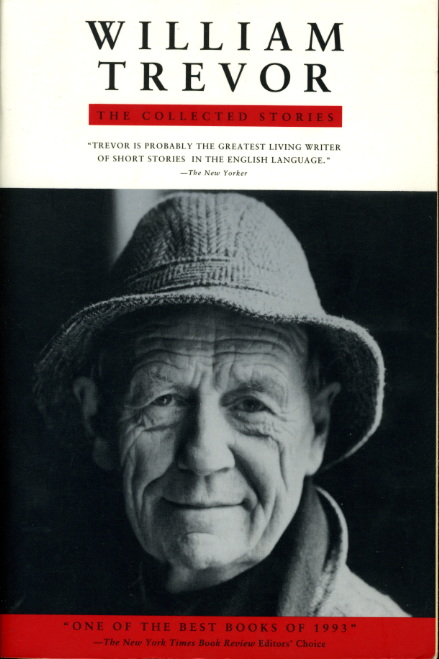
Stories of William Trevor (1928– ). Trevor is less an innovator than a perfectionist of the short story form, with each instance featuring two or three well-drawn characters, a stoutly alluring situation, and not a word out of place. The hundreds of stories he has crafted during his long career are nearly all set in the Irish countryside, which Trevor reveals as surprisingly erotic, sinister, and altogether contemporary, its residents often bent like trees by the wind of a single event.

Total Points: 4 (ML 1) (AP 3)

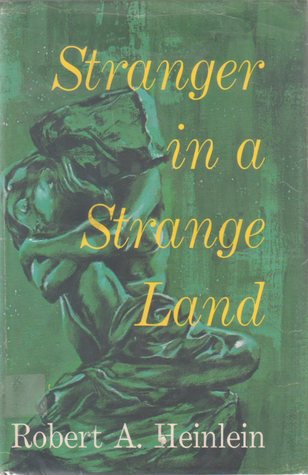
Stranger in a Strange Land by Robert A. Heinlein (1961). A counterculture favorite during the 1960s, this novel tells the story of Valentine Michael Smith, who was born during the first flight to Mars. Reared by Martians, the orphan returns to Earth as a young man, where he questions the customs and values taken for granted there. Michael also learns he inherited a large fortune and the deed to Mars. As the world government tries to seize his assets, Michael forms a church preaching free love. His followers think he is the Messiah—and that spells trouble.

Total Points: 4 (DFW 4)

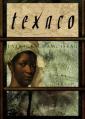
Image removed.In a narrative composed of short sequences, each recounting episodes or developments of moment, and interspersed with extracts from fictive notebooks and statements by an urban planner, Marie-Sophie Laborieux, the saucy, aging daughter of a slave affranchised by his master, tells the story of the tormented foundation of her people's identity. The Caribbean shantytown established by Marie-Sophie is menaced from without by hostile landowners and from within by the volatility of its own provisional state. Hers is a brilliant polyphonic rendering of individual stories informed by rhythmic orality and subversive humor that shape a collective experience.

Total Points: 4 (JDíaz 4)

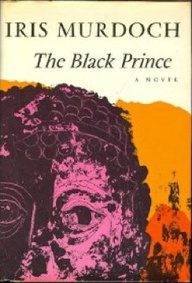
The Black Prince by Iris Murdoch (1973). Bradley Pearson is a fifty-eight-year-old tax inspector who has written three books. Convinced he has a masterpiece within him, he quits his job and rents a tranquil cottage. His plan is thwarted at every turn, however, by the needs of his ex-wife, quarreling friends, his sister’s suicide, writer’s block, and his sudden passion for his friends’ twenty-year-old daughter. A murder caps off this philosophical thriller about marriage, love, and art.

Total Points: 4 (JL 4)

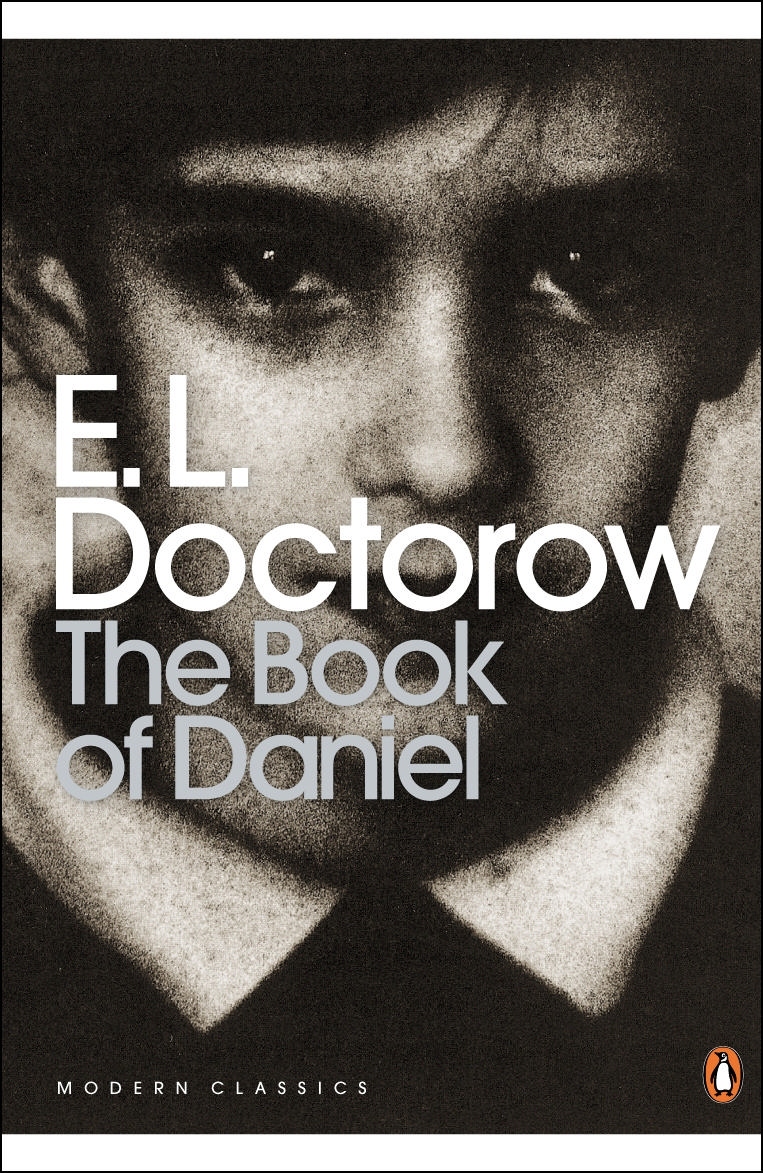
The Book of Daniel by E.L. Doctorow (1971). The central figure of this novel is a young man whose parents were executed for conspiring to steal atomic secrets for Russia.
His name is Daniel Isaacson, and as the story opens, his parents have been dead for many years. He has had a long time to adjust to their deaths. He has not adjusted.Out of the shambles of his childhood, he has constructed a new life—marriage to an adoring girl who gives him a son of his own, and a career in scholarship. It is a life that enrages him. In the silence of the library at Columbia University, where he is supposedly writing a Ph.D. dissertation, Daniel composes something quite different. It is a confession of his most intimate relationships—with his wife, his foster parents, and his kid sister Susan, whose own radicalism so reproaches him. The result is a book of memories, a book of investigation and book of judgments about the nature of leftist politics in the United States —its sacrificial rites, its peculiar cruelties, its humility, its bitterness.

Total Points: 4 (JGil 4)

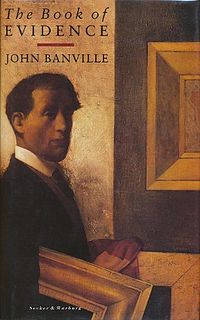
The Book of Evidence by John Banville (1989). Frederick Charles St. John Venderveld Montgomery is an Irishman who has traveled the world. Back in his dull hometown, he becomes obsessed with a three hundred-year-old painting. He murders an old woman to secure it. Upon his capture for that crime, he offers a confession that reveals his savage heart and soulless existence.

Total Points: 4 (ALK 4)

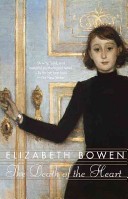
The Death of the Heart by Elizabeth Bowen (1938). When orphaned teenager Portia Quayne comes to London to live with her effete, older half-brother Thomas and his cynical, sophisticated wife Anna, she finds warmth only in a crusty family servant—and in the inappropriate attentions of family friend Eddie, who toys heartlessly with the girl’s emotional adoration. Bowen brings Jamesian subtlety to bear on Portia’s revivifying loss of illusions and steady growth toward maturity. The result is a triumph of analytical precision in this tragedy of innocence endangered by unfeeling adults.

Total Points: 4 (GG 4)

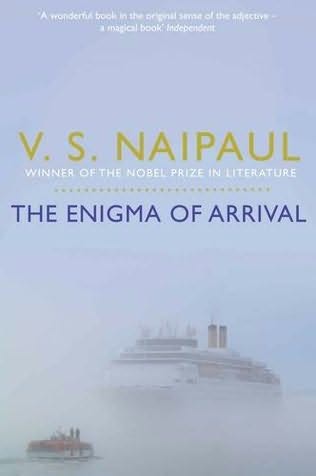
The Enigma of Arrival by V. S. Naipaul (1988). This chilly yet hypnotic antinovel—devoid of plot or conventional psychologizing—shuttles among the narrator’s childhood memories of his native Trinidad, fictionalized accounts of that island’s colonization, and elegiac descriptions of his present life in Wiltshire, England, where the charms of rural English life are eroding under the pressures of modernization. With an immigrant’s attentiveness, Naipaul details the minutiae of bleak exile, revealing a writer at home only in language.

Total Points: 4 (AW 4)

The House of Breath by William Goyen (1950). Poetic, serpentine prose becomes cascades of memory and emotions in this story of a man who returns to his tiny hometown of Charity, Texas. As he lovingly depicts the town—its landscape, folk, speech, superstitions, and fables—Goyen provides what the novelist Katherine Anne Porter described as “a sustained evocation of the past, a long search for place and identity, and the meaning of an intense personal experience; an attempt to cleanse the heart of its mysterious burden of guilt.”

Total Points: 4 (JBud 4)

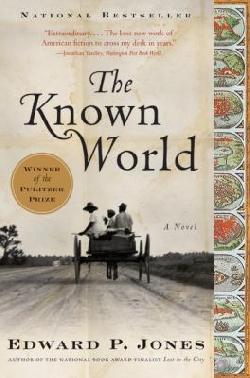
The Known World by Edward P. Jones (2003). Winner of both the Pulitzer Prize and National Book Critics Circle Award for fiction, this rich, sprawling novel centers on the life and legacy of an African American man who was also a slaveholder. Through a wide cast of characters, who display a wide range of perspectives and emotions, Jones examines the concept of slavery, especially how the master–slave relationship corrupts the soul.

Total Points: 4 (GP 1) (AWald 3)

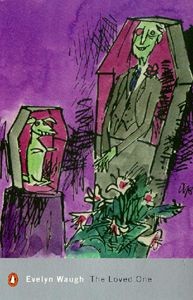
The Loved One by Evelyn Waugh (1948). Dennis Barlow is an English poet working at a Hollywood pet cemetery. Arranging a friend’s funeral, he falls for a cosmetician at the posh Whispering Glades, a paradise for the human deceased, or Loved Ones. The funeral business and its ridiculous jargon (survivors of Loved Ones are Waiting Ones; bodies are viewed in the Slumber Room) provide lively “meat” (as employees privately refer to corpses) for Waugh to skewer.

Total Points: 4 (AMH 4)

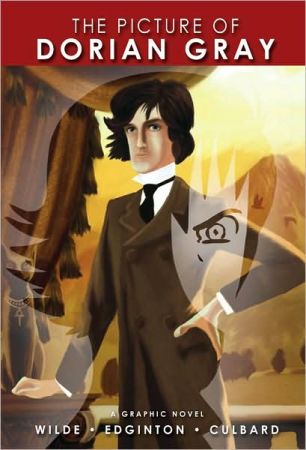
The Picture of Dorian Grey by Oscar Wilde (1891). Wilde’s only novel offers a devastating portrait of the effects of evil and debauchery on a young aesthete in late-19th-century England. Combining elements of the Gothic horror novel and decadent French fiction, the book centers on a striking premise: As Dorian Gray sinks into a life of crime and gross sensuality, his body retains perfect youth and vigor while his recently painted portrait grows day by day into a hideous record of evil, which he must keep hidden from the world. First published as a serial story in the July 1890 issue of Lippincott's Monthly Magazine, the editors feared the story was indecent, and without Wilde's knowledge, deleted five hundred words before publication. Despite that censorship, it offended the moral sensibilities of British book reviewers, some of whom said that Oscar Wilde merited prosecution for violating the laws guarding the public morality.

Total Points: 4 (AFilip 4)

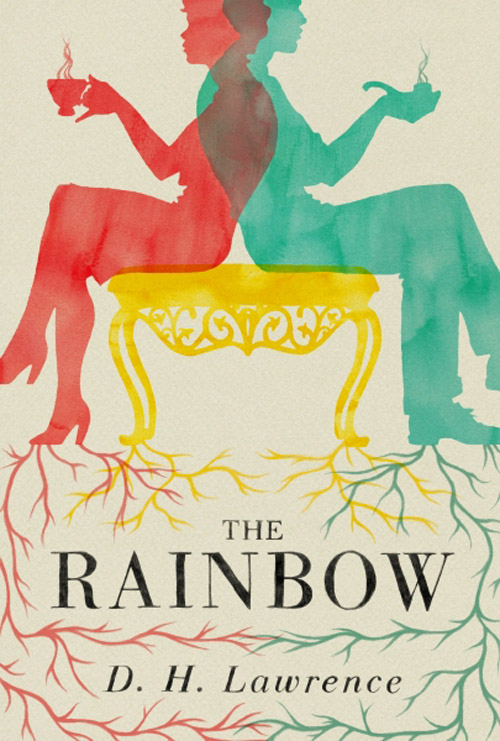
The Rainbow by D. H. Lawrence (1915). Declared obscene and banned by British authorities, Lawrence’s novel about three generations of an English family boldly challenged conventional mores by openly depicting emotional and sexual needs. His protagonist, Ursula Brangwen, breaks from family tradition by going off to college and becoming a teacher. Free-spirited Ursula also experiments with her sexuality, having an affair with a Polish exile, Anton Skrebensky, and developing an intense attraction for an older woman. Her search for love is alternately disillusioning and liberating.

Total Points: 4 (JCO 4)

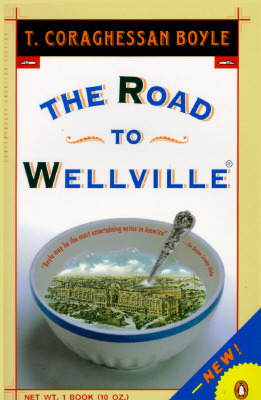
The Road to Wellville by T.C. Boyle (1993). Will Lightbody is a man with a stomach ailment whose only sin is loving his wife, Eleanor, too much. Eleanor is a health nut of the first stripe, and when in 1907 she journeys to Dr. John Harvey Kellogg's infamous Battle Creek Spa to live out the vegetarian ethos, poor Will goes too. So begins this wickedly comic look at turn-of-the-century fanatics in search of the magic pill to prolong their lives—or the profit to be had from manufacturing it. It is a novel brimming with a Dickensian cast of characters and laced with wildly wonderful plot twists.

Total Points: 4 (AWald 4)

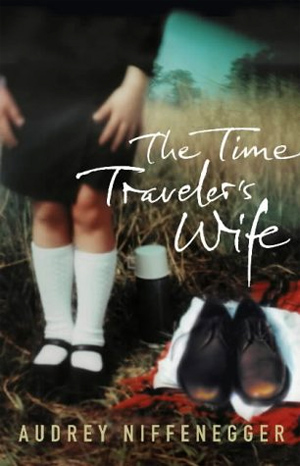
The Time Traveler's Wife by Audrey Niffennegger (2003). This is the remarkable story of Henry DeTamble, a dashing, adventuresome librarian who travels involuntarily through time, and Clare Abshire, an artist whose life takes a natural sequential course. Henry and Clare's passionate love affair endures across a sea of time and captures the two lovers in an impossibly romantic trap, and it is Audrey Niffenegger's cinematic storytelling that makes the novel's unconventional chronology so vibrantly triumphant.

Total Points: 4 (JPico 4)

The Widow's Children by Paula Fox (1976). On the eve of their trip to Africa, Laura Maldonada Clapper and her husband, Desmond, sit in a New York City hotel room, drinking scotch-and-sodas and awaiting the arrival of three friends: Clara Hansen, Laura's timid, brow-beaten daughter from a previous marriage; Carlos, Laura's flamboyant and charming brother; and Peter Rice, a melancholy editor whom Laura hasn't seen for over a year. But what begins as a bon voyage party soon parlays into a bitter, claustrophobic clash of family resentment. From the hotel room to the tony restaurant to which the five embark, Laura presides over the escalating innuendo and hostility with imperial cruelty, for she is hiding the knowledge that her mother, the family matriarch, has died of a heart attack that morning.Tom Bissell considers this “the most intense novel I've ever read—and the best ending.

Total Points: 4 (TBiss 4)

True Grit by Charles Portis (1968). In this epic and often comic tale of retribution, greed, and ambition, sixty-nine-year-old spinster Mattie Ross recalls her youthful struggle to hunt down her father’s killer in the wild Indian territory of the 1870s. While Ross studies her scripture, she breaks bread with the foul-mouthed, seldom-sober Marshall who is helping her. Both a woman’s coming-of-age saga and an adventure riddled with biblical allegory, the novel reveals the depth of grit in characters plagued by contradictions.

Total Points: 4 (GP 4)

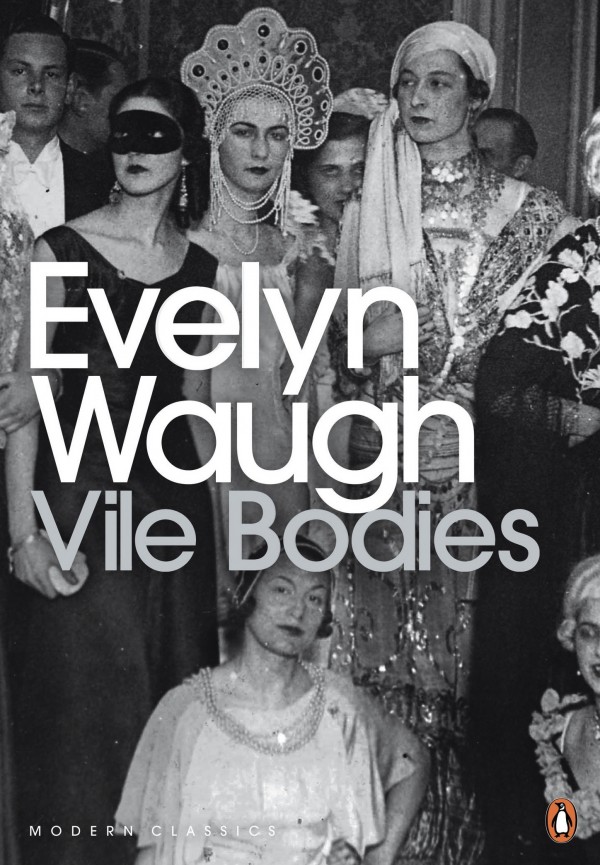
Vile Bodies by Evelyn Waugh (1930). This careening novel follows a group of shallow, well-off Brits to motor races and antic parties. Joining in on the Bright Young Things’ mad doings are a writer named Adam Fenwick-Symes and his on-again, off-again fiancée. War looms, but Waugh’s style—dry and bubbly as the novel’s flowing champagne—keeps us laughing, even as characters descend into madness or head for the battlefield.

Total Points: 4 (AG 3) (TW 1)

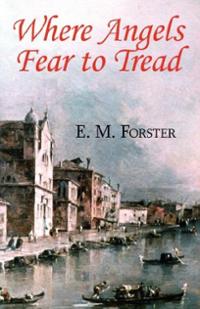
Where Angels Fear to Tread by E. M. Forster (1905). “For fools rush in where angels fear to tread,” wrote Alexander Pope. That quote informs this biting tale that begins when a rich young widow, Lilia Herriton, travels to Italy. There she meets and marries a penniless Italian and dies in childbirth. Her relatives rush to retrieve the infant and give him a “proper” English upbringing. But his father objects in this first novel that signals Forster’s lifelong interest in cultural collisions and British hubris.

Total Points: 4 (ES 4)

Works of William Shakespeare (1564–1616). In a writing career of only two decades, from 1590 to 1610, Shakespeare produced the most influential canon of dramatic literature in history. His early romantic comedies (A Midsummer Night’s Dream), his darker mature comedies (Measure for Measure), his history-shaping history plays (Henry IV, Parts I and II, and Henry V), the great core tragedies (Hamlet, Macbeth, Othello, and King Lear), the late Roman plays (Antony and Cleopatra), and the final romances (The Tempest) are enduring monuments to an unparalleled genius. He was also a great poet. His 154 sonnets have shaped the efforts of every true poet thereafter. Indeed, Shakespeare’s two nondramatic poems—the Ovidian erotic poem Venus and Adonis of 1593 and its darkly brilliant sequel The Rape of Lucrece of 1594—were blockbusters that launched the young writer’s brilliant career.

Total Points: 4 (ST 4).

A Prayer for Owen Meany by John Irving (1989). Set in a vividly drawn New Hampshire town in the 1950s and 1960s, this novel’s title character is a tiny boy with a “wrecked voice” and no talent for baseball. In fact, the only ball he hits kills the mother of his best friend, narrator Johnny Wheelwright. Owen’s disabilities make him the butt of jokes, yet he believes he is an “instrument of God.” Familiar Irving hijinks and humor abound in this story, which delivers a stirring meditation on history, hypocrisy, social justice, and faith.

Total Points: 3 (JW 3)

A Simple Heart by Gustave Flaubert (1877). Included in the volume Three Tales, this is the story of Félicité, an uneducated and loyal servant who never questions her lot in life. She is sustained by her unquestioning faith and her great love for her nephew and for her mistress’s daughter Virginie. When she loses them both, she finds an unlikely recipient for her ardent affections—a parrot named Lulu.

Total Points: 3 (ML 3)

A Suitable Boy by Vikram Seth (1993). This novel is, at its core, a love story: Lata and her mother, Mrs. Rupa Mehra, are both trying to find—through love or through exacting maternal appraisal—a suitable boy for Lata to marry. Set in the early 1950s, in an India newly independent and struggling through a time of crisis,the book takes us into the richly imagined world of four large extended families. A sweeping panoramic portrait of a complex, multiethnic society in flux, the novel remains the story of ordinary people caught up in a web of love and ambition, humor and sadness, prejudice and reconciliation, the most delicate social etiquette and the most appalling violence.

Total Points: 3 (MMCPH 3)

Ahab’s Wife by Sena Jeter Naslund (1999). “Captain Ahab was neither my first husband nor my last” reads the opening line of this novel, which imagines the life of the woman married to the obsessive captain from ­Moby-Dick. And what a life it was—running away from home, posing as a boy to get aboard a whaling ship, tragedy at sea, cannibalism, and then domestic life in New Bedford, Massachusetts. Naslund captures all in rich detail as she deepens her portrait of this lively, intellectually and spiritually curious heroine.

Total Points: 3 (SV 3)

Ahab’s Wife by Sena Jeter Naslund (1999). “Captain Ahab was neither my first husband nor my last” reads the opening line of this novel, which imagines the life of the woman married to the obsessive captain from ­Moby-Dick. And what a life it was—running away from home, posing as a boy to get aboard a whaling ship, tragedy at sea, cannibalism, and then domestic life in New Bedford, Massachusetts. Naslund captures all in rich detail as she deepens her portrait of this lively, intellectually and spiritually curious heroine.

Total Points: 3 (SV 3)

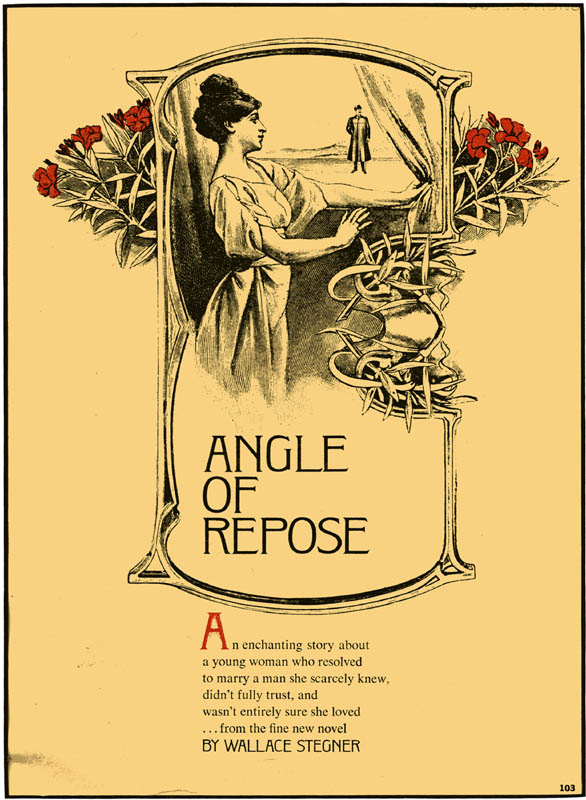
Angle of Repose by Wallace Stegner (1971). “It’s perfectly clear that if every writer is born to write one story, that’s my story,” Stegner said of this Pulitzer Prize–winning novel. The narrator is a divorced, wheelchair-bound professor recalling the life of his pioneer grandparents. He was crude and adventurous, she sophisticated and self-possessed. Together they crossed the country during the nineteenth century; the vivid landscape becomes a character in this story of marriage, American mythology, and the flow of time and memory.

Total Points: 3 (PE 3)

Angle of Repose by Wallace Stegner (1971). “It’s perfectly clear that if every writer is born to write one story, that’s my story,” Stegner said of this Pulitzer Prize–winning novel. The narrator is a divorced, wheelchair-bound professor recalling the life of his pioneer grandparents. He was crude and adventurous, she sophisticated and self-possessed. Together they crossed the country during the nineteenth century; the vivid landscape becomes a character in this story of marriage, American mythology, and the flow of time and memory.

Total Points: 3 (PE 3)

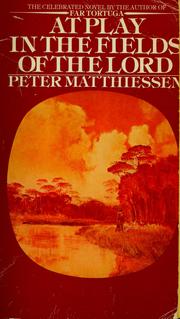
At Play in the Fields of the Lord by Peter Matthiessen (1965). Two Americans try to expand white culture in the jungles of Peru: a Christian missionary hopes to “civilize” the local tribes, and a mercenary plans to remove the locals through terror. In alternating chapters, Mathiessen chronicles their exploits, motives, and changing sense of self (the mercenary eventually goes native, with deadly results) in this complex story of good and evil and missionary zeal, of the quest for personal identity, and of the danger of imposing one culture on another.

Total Points: 3 (EC 3)

Berlin Alexanderplatz by Alfred Döblin (1929). Credited as the first German novel to adopt the technique of James Joyce, this novel tells the story of Franz Biberkopf, who, on being released from prison, is confronted with the poverty, unemployment, crime and burgeoning Nazism of 1920s Germany. As Franz struggles to survive in this world, fate teases him with a little pleasure before cruelly turning on him.

Total Points: 3 (SY 3)

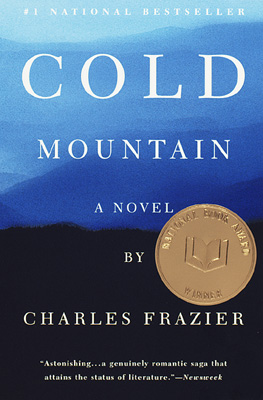
Cold Mountain by Charles Frazier (1997). Frazier won the National Book Award for Fiction for his first novel, set in North Carolina during the Civil War. In rich language that evokes his nineteenth-century landscape, Frazier tells two interconnected stories exploring the themes of love and war and the natural world. The first concerns the Con­ federate soldier Inman who, like Odysseus, endures a series of deadly obstacles as he crosses the state to return to his home and the woman he loves. The second story centers on that woman, Ada, a pampered Southern belle who, with the help of the mountain woman Ruby, learns to fend for herself in a war ravaged landscape.

Total Points: 3 (ES 3)

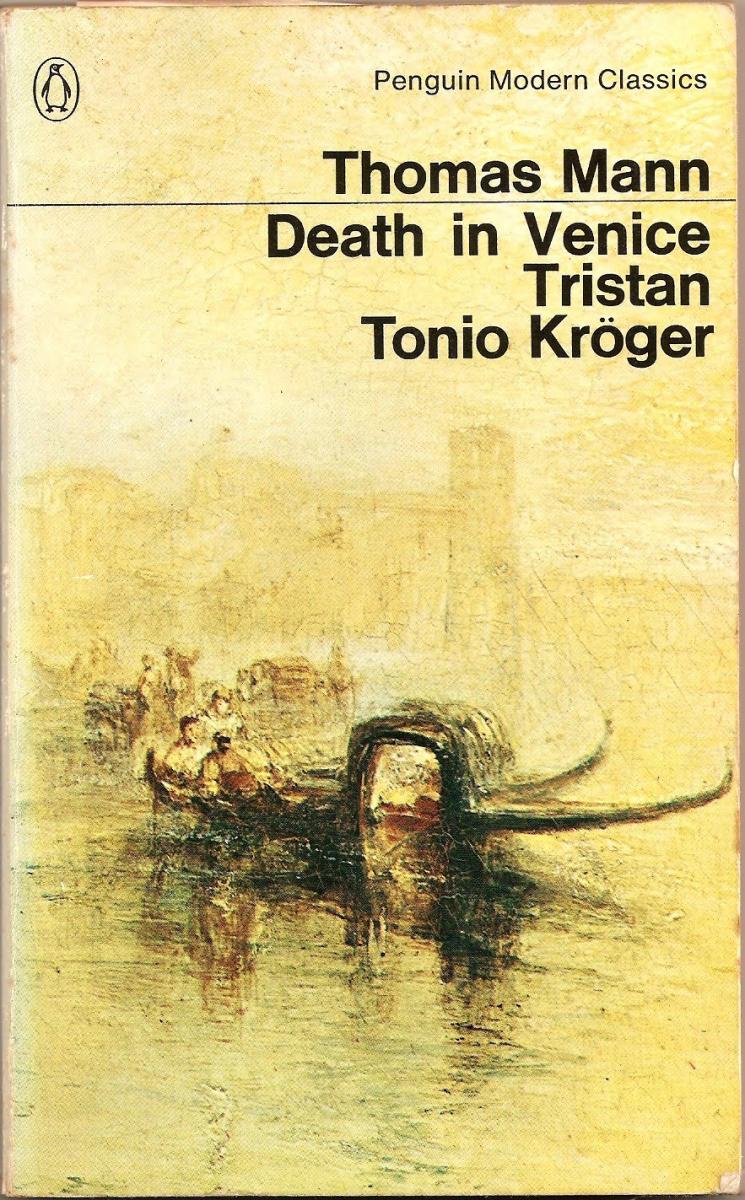
Death in Venice by Thomas Mann (1912). With a skillful use of classical allusion, Mann’s vaguely homoerotic novella describes an aging writer’s platonic infatuation with a beautiful young boy in Venice. Gustav von Aschenbach is a tragic idealist who has dedicated his life to the study and pursuit of high art and beauty. In young Tadzio he recognizes both the embodiment and inevitable transience of perfection in this story of heartrending poignancy.

Total Points: 3 (PM 3)

Decline and Fall by Evelyn Waugh (1928). This hilarious send-up of the English code of honor begins with Paul Pennyfeather’s “sending down” (expulsion) from Oxford. Reduced to teaching at a fourth-rate school, he encounters wonderfully named characters, including Lady Circumference and Lord Tangent, who prove ripe for satire. Pennyfeather also finds love with the impossibly rich and lovely Margot Beste-Chetwynde. But l’amour leads to a spell in the clink. Fortunately, Waugh says, “any one who has been to an English public school will always feel comparatively at home” in jail.

Total Points: 3 (DC 3)

Dirty Snow by Georges Simenon (1950). As this darkest of noirs opens, nineteen-year-old Frank Friedmaier, already a pimp, thug, and petty thief, has just become a murderer. What follows are searing portraits of the cruel and alienated young man who sees violence as a form of self-definition and the corrupt grim world that made him.

Total Points: 3 (JB 3)

Eleven Kinds of Loneliness by Richard Yates (1962). Yates’s debut collection set the tone for what his career would bring: quiet, well-crafted stories and novels about people whose dearest hopes were thwarted, often by their own inability to realize them. Unrelentingly realistic in setting and subject matter, Yates repudiates any easy redemption in these stories. Like Walter Henderson, protagonist of the aptly titled “Glutton for Punishment,” these are men and women who slowly, bitterly, come to understand that their one true talent is for defeat.

Total Points: 3 (AGold 3)

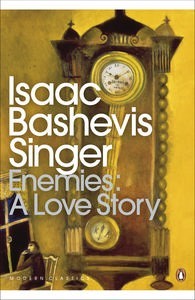
Enemies, A Love Story by Isaac Bashevis Singer (1972). Herman Broder, who survived World War II by hiding in a hayloft for three years, marries the woman who hid him, and he now lives a life of duplicity in 1949 Brooklyn—having an affair, pretending to be a traveling book salesman while really ghostwriting for a rabbi. To top it off, his first wife—a concentration camp survivor who Broder thought was dead—shows up. Enemies is a classic Holocaust survivor tale, filled with guilt, paranoia, a little humor, and raw desperation.

Total Points: 3 (SS 3)

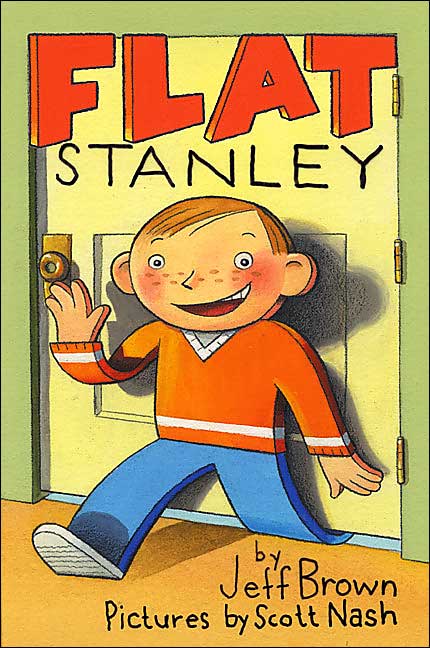
Flat Stanley by Jeff Brown (1964). If Kafka had watched a lot of children’s cartoons, this is the book he might have written. Young Stanley Lambchop wakes up one morning flat as a pancake, another victim of a falling bulletin board. He enjoys his flatness at first—sliding into envelopes, slipping through metal grates, foiling a gang of art thieves—but then others begin to mock him. The book’s imagination and deadpan humor is enhanced by Tomi Ungerer’s charming and very 1960s-looking illustrations.

Total Points: 3 (AMH 3)

Fuzz by Ed McBain (1968). Fueled by clever plots, sharp dialogue, and vivid characters, McBain’s series of novels set in New York City’s 87th Precinct is a gold standard of the police procedural. This novel features one of the genre’s great villains, the murderous Deaf Man, who taunts and ridicules his blue-clad adversaries.

Total Points: 3 (DFW 3)

Going to Meet the Man by James Baldwin (1965). Baldwin is best known for his political and autobiographical essays, but these eight short stories showcase his ability to capture the disparate manifestations of race in America. He vividly depicts an impotent white southerner who can only get aroused by thinking of racial violence and an African American man married to a Swedish woman. Baldwin also revisits his tried and true stomping ground of family violence in Depression-era Harlem.

Total Points: 3 (DMcF 3)

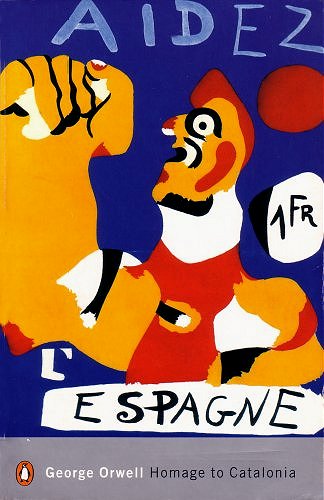
Homage to Catalonia by George Orwell (1940). Orwell’s memoir of going to fight on the republican side in the Spanish Civil War combines early Hemingway’s disabused attitude toward war with Leon Trotsky’s talent for political analysis. Through vivid accounts of battle and political machinations, he defines the true meaning of the term Orwellian: “If you had asked me why I had joined the militia I should have answered: ‘To fight against Fascism,’ and if you had asked me what I was fighting for, I should have answered: ‘Common decency.’”

Total Points: 3 (AF 3)

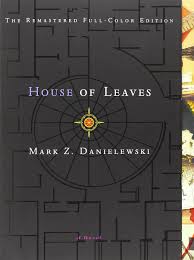
House of Leaves by Mark Z. Danielewski (2000). An experimental novel that plays with form and format – including colored words, vertical footnotes and appendices - House of Leaves novel focuses on a young family that moves into a small home on Ash Tree Lane where they discover something is terribly wrong: their house is bigger on the inside than it is on the outside. Of course, neither Pulitzer Prize-winning photojournalist Will Navidson nor his companion Karen Green was prepared to face the consequences of that impossibility, until the day their two little children wandered off and their voices eerily began to return another story -- of creature darkness, of an ever-growing abyss behind a closet door, and of that unholy growl which soon enough would tear through their walls and consume all their dreams.

Total Points: 3 (TLeClair 3)

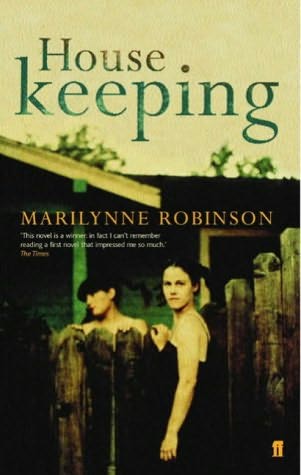
Housekeeping by Marilynne Robinson (1980). This is the story of Ruth and her younger sister, Lucille, who grow up haphazardly, first under the care of their competent grandmother, then of two comically bumbling great-aunts, and finally of Sylvie, their eccentric and remote aunt. The family house is in the small Far West town of Fingerbone set on a glacial lake, the same lake where their grandfather died in a spectacular train wreck, and their mother drove off a cliff to her death. It is a town "chastened by an outsized landscape and extravagant weather, and chastened again by an awareness that the whole of human history had occurred elsewhere." Ruth and Lucille's struggle toward adulthood illuminates the price of loss and survival, and the dangerous and deep undertow of transience.

Total Points: 3 (TJ 2) (DWall 1)

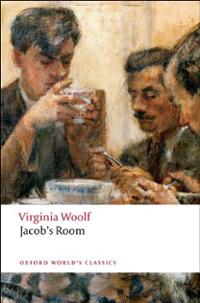
Jacob’s Room by Virginia Woolf (1922). Woolf’s first novel to depart from a linear, traditional style follows Jacob Flanders as he goes through Cambridge, carries on love affairs in London, and travels in Greece. Sitting with a girlfriend, he thinks, “It’s not catastrophes, murders, deaths, diseases, that age and kill us, it’s the way people look and laugh, and run up the steps of omnibuses.” Ultimately, it is catastrophe that kills Jacob, as Woolf suggests war’s devastations through this novel’s final description of Jacob’s empty room.

Total Points: 3 (TM 3)