Women in Love
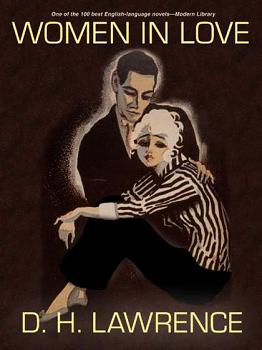 Women in Love by D. H. Lawrence (1920). An angry young man before there were angry young men, Lawrence explores politics, art, economics, and sexuality through sisters Gudrun and Ursula Brangwen and their respective lovers.
Women in Love by D. H. Lawrence (1920). An angry young man before there were angry young men, Lawrence explores politics, art, economics, and sexuality through sisters Gudrun and Ursula Brangwen and their respective lovers.
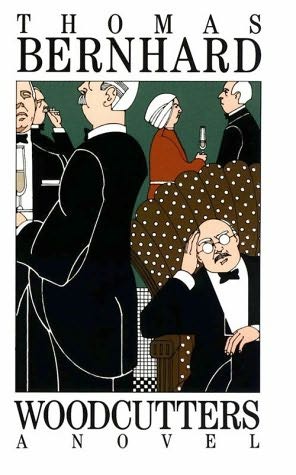 Woodcutters by Thomas Bernhard (1984). In this darkly humorous, hypnotically repetitious, stream of consciousness novel, an embittered and idealistic Austrian writer attends an “artistic” dinner party soon after the suicide of an old friend.
 Works of William Shakespeare (1564–1616). In a writing career of only two decades, from 1590 to 1610, Shakespeare produced the most influential canon of dramatic literature in history.
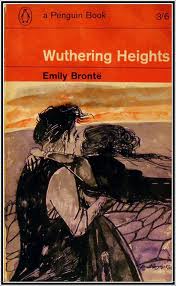 Wuthering Heights by Emily Brontë (1847). The author’s only novel, published a year before her death, centers on the doomed love between Heathcliff, a tormented orphan, and Catherine Earnshaw, his benefactor’s vain and willful daughter.
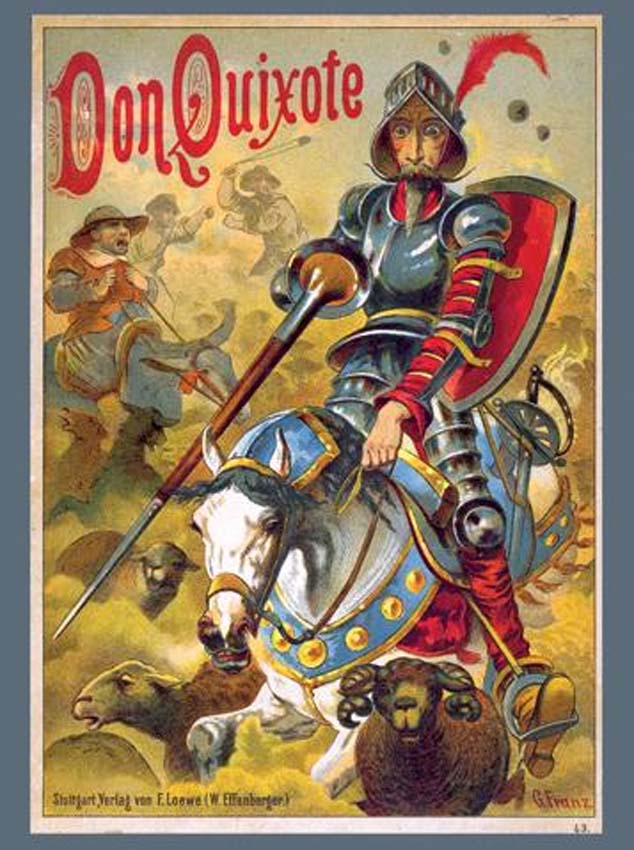 Don Quixote by Miguel de Cervantes (1605, 1615). Considered literature’s first great novel, Don Quixote is the comic tale of a dream-driven nobleman whose devotion to medieval romances inspires him to go in quest of chivalric glory and the love of a lady who doesn’t know him.
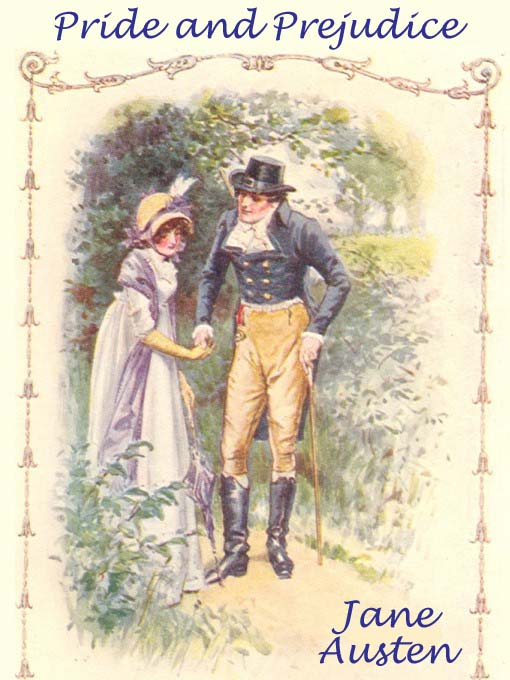 Pride and Prejudice by Jane Austen (1813). “It is a truth universally acknowledged, that a single man in possession of a good fortune must be in want of a wife,” reads this novel’s famous opening line. This matching of wife to single man—or good fortune—makes up the plot of perhaps the happiest, smartest romance ever written.
 Stories of Franz Kafka (1883–1924). Kafka’s fictions express existential alienation, but without the self-pity or blame; there’s great humor amidst the angst. Despite his radical modernism, echoes of Talmudic and European folk traditions and Kafka’s own formal High German prose style lend his fables all the timelessness of nightmare.
 Winesburg, Ohio by Sherwood Anderson (1919). A collection of short stories about the inhabitants of a town whose physical isolation mirrors their psychological distance.
 Invisible Man by Ralph Ellison (1952). This modernist novel follows the bizarre, often surreal adventures of an unnamed narrator, a black man, whose identity becomes a battleground in racially divided America. Expected to be submissive and obedient in the South, he must decipher the often contradictory rules whites set for a black man’s behavior.
 Stories of Flannery O’Connor (1925–64). Full of violence, mordant comedy, and a fierce Catholic vision that is bent on human salvation at any cost, Flannery O’Connor’s stories are like no others.