Song of Solomon
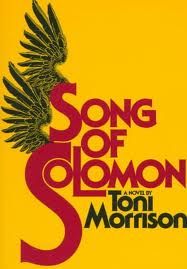 Song of Solomon by Toni Morrison (1977). As witty and agile as a folk tale, psychologically acute and colorfully drawn, this novel blends elements of fable and the contemporary novel to depict a young man’s search for identity.
Song of Solomon by Toni Morrison (1977). As witty and agile as a folk tale, psychologically acute and colorfully drawn, this novel blends elements of fable and the contemporary novel to depict a young man’s search for identity.
 One Hundred Years of Solitude by Gabriel García Márquez (1967). Widely considered the most popular work in Spanish since Don Quixote, this novel—part fantasy, part social history of Colombia— sparked fiction’s “Latin boom” and the popularization of magic realism.
 The White Tiger by Aravind Adiga (2008). The white tiger of this novel is Balram Halwai, a poor Indian villager whose great ambition leads him to the zenith of Indian business culture, the world of the Bangalore entrepreneur.
 Great Expectations by Charles Dickens (1860–61). Dickens gives a twist to an ancient storyline—of the child of royal birth raised in humble surroundings.
 War and Peace by Leo Tolstoy (1869). Mark Twain supposedly said of this masterpiece, “Tolstoy carelessly neglects to include a boat race.” Everything else is included in this epic novel that revolves around Napoleon’s invasion of Russia in 1812.
 Jane Eyre by Charlotte Brontë (1847). Like Wuthering Heights, this is a romance set in the isolated moors of rural England the Brontës called home. Its title character is an exceptionally independent orphan who becomes governess to the children of an appealing but troubled character, Mr. Rochester.
 Adventures of Huckleberry Finn by Mark Twain (1884). Hemingway proclaimed, “All modern American literature comes from . . .
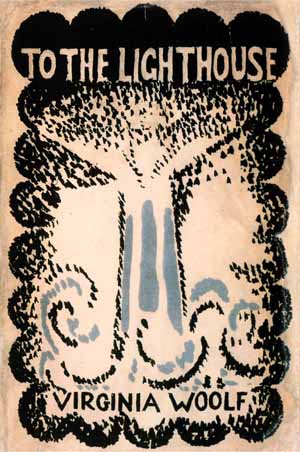 To the Lighthouse by Virginia Woolf (1927). The Ramsays and their eight children vacation with an assortment of scholarly and artistic houseguests by the Scottish seaside.
 In Search of Lost Time by Marcel Proust (1913–27). It’s about time. No, really. This seven-volume, three-thousand-page work is only superficially a mordant critique of French (mostly high) society in the belle époque.